
How to Avoid Hotel Booking Scams in India (A Real Incident We Faced While Travelling)
Hotel booking scams don’t happen because travellers are careless. They happen when you are tired, short on time, and trying to make a quick decision.
This is a real incident that happened to us during a trip. While the setting was Assam–Meghalaya, the pattern is common across India and even abroad. We avoided losing money not because we were exceptionally smart—but because something felt off at the right moment.
Here’s exactly what happened.
How the Situation Started
We were travelling from Dawki towards Guwahati, and by the time we crossed Jowai, it was already around 6:30–7:00 PM. We hadn’t had lunch, and reaching Guwahati would have taken another four hours, meaning arrival close to 10 PM.
We didn’t want that.
So we decided to halt near Umiam Lake and continue the journey the next day. At that point, all we wanted was:
- A decent place to stay
- Quick confirmation
- Minimal effort
The Google Search That Almost Cost Us Money
I searched directly on Google for a hotel near Umiam Lake. The property we were looking for appeared immediately, and the phone number was visible right on the listing.
No website click.
No comparison.
Just copy–paste and call.
At that moment, it felt convenient. In hindsight, that was the first mistake.
The Conversation That Felt “Too Easy”
The person who answered spoke confidently, like a hotel representative or travel agent.
What stood out:
- Room rates were shared on WhatsApp within five minutes
- Negotiation was smooth and instant
- Discounts were offered without hesitation
Initially, I was quoted ₹3,800.
Out of curiosity, my wife called from her number—and suddenly the same room was available for ₹3,000.
It felt strange, but we were driving, tired, and just wanted to reach the destination.
The First Red Flag: Too Many Follow-Ups
Once we stopped responding immediately, the calls started.
- Repeated calls
- Continuous WhatsApp messages
- Pressure to “confirm now”
Normally, hotel reception staff do not chase guests after sharing rates. Usually, guests call back to confirm.
Here, the urgency was coming entirely from his side.
That didn’t sit right.
The Biggest Red Flag: Changing Payment QR Codes
When payment came up, things escalated quickly. First, he insisted on full payment upfront, claiming: “Without payment, you won’t even get entry into the hotel.”
That sounded unusual.
Then:
- He sent one QR code
- Then another
- Then another
In total, four to five different QR codes were shared within a short time.
Each time we questioned it, a new scanner appeared.
At this point, we decided:
“Let’s reach the hotel first and then pay.”
Luckily, by then we were already very close to the property.
What Actually Happened at the Hotel
Once we reached the hotel, we went straight to the reception and explained the situation.
Their response was immediate:

- “Good that you didn’t pay.”
- “That person is a scammer.”
- “We don’t have the rooms he promised.”
In fact:
- Only the highest category room was available
- Everything else was sold out
The person we were dealing with had no connection with the hotel at all.
After that:
- He stopped taking calls
- He blocked my wife’s number
- He disappeared completely
Why We Did NOT Pay (Honestly Speaking)
We didn’t avoid the scam because we were exceptionally cautious. We avoided it because:
- We were already close to the hotel
- His urgency felt unnatural
- The payment details kept changing
Had we been two or three hours away, we might have paid just to “secure the room”.
How You Can Protect Yourself from Similar Hotel Booking Scams
Based purely on this experience, here’s what actually matters:
🚩 Red Flags to Watch For
- Repeated follow-ups and pressure to pay
- Claims that entry is not allowed without advance payment
- Deals that are far cheaper than OTA prices
- Changing QR codes or payment details
✅ What Works Better
- Never call numbers directly from Google listings without verification
- Always cross-check using the official website
- Be suspicious if the price difference is extreme
- If you’re close to the hotel, reach first and pay later
Final Thoughts
This scam almost worked—not because it was sophisticated, but because it targeted the exact moment when we were:
- Tired
- Hungry
- Short on time
That’s when most people lower their guard.
- Trust your instincts.
- Urgency is the biggest red flag.
- And never save a couple of clicks at the cost of verification.
If this blog helps even one traveller avoid losing money, it has served its purpose.

Shillong Tour Package for 3 Nights
Embark on an unforgettable 4-day Meghalaya tour package that takes you through stunning landscapes and vibrant cultures. Experience the beauty…
3 Nights
Meghalaya Assam Tour Package for 6 Nights with Kaziranga
Embark on a breathtaking 7-day journey with our Meghalaya & Assam tour package! Discover the lush landscapes of Meghalaya, explore…
6 Nights
Meghalaya Family Tour Package for 4 Nights With Guwahati
Join us on an unforgettable 5-day holiday in Meghalaya! This exciting tour package takes you through stunning landscapes, lush hills,…
4 NightsMeghalaya Package With Shillong, Cherrapunji & Guwahati
Join us for a thrilling 6-day holiday in Meghalaya and Assam! This exciting tour package takes you to Cherrapunji's breathtaking…
5 NightsMeghalaya Assam Family Tour Package for 8 Nights
Embark on an unforgettable 9-day vacation with our Meghalaya and Sikkim tour package. Explore the stunning landscapes of Cherrapunji, famous…
8 NightsMeghalaya Assam 7 Nights Package With Kaziranga & Dawki Trip
Join us for an unforgettable 8-day, 7-night tour package through the stunning landscapes of Meghalaya and Assam. Experience the breathtaking…
7 NightsCheerapunji Couple Tour Package for 2 Nights
Embark on a romantic adventure with our Cheerapunji Couple Tour Package for 2 nights. Discover the stunning beauty of Meghalaya…
2 NightsComplete Meghalaya Assam Tour Package for 10 Nights
Embark on an unforgettable 9-day vacation with our Meghalaya and Sikkim tour package. Explore the stunning landscapes of Cherrapunji, famous…
10 Nights
Best Of Meghalaya & AP
Meghalaya & Arunachal Pradesh
12 Nights
Meghalaya 9 Nights package
Shilong
9 NightsMeghalaya 9 Nights package
Shilong
9 Nights
Rajasthan Family Package For 6 Nights
Embark on an unforgettable 7-day Rajasthan tour package that takes you through the royal cities of Jaipur, Jaisalmer, and Udaipur.…
6 NightsDiscover Incredible Destinations
Handpicked locations offering unforgettable experiences for every type of traveler
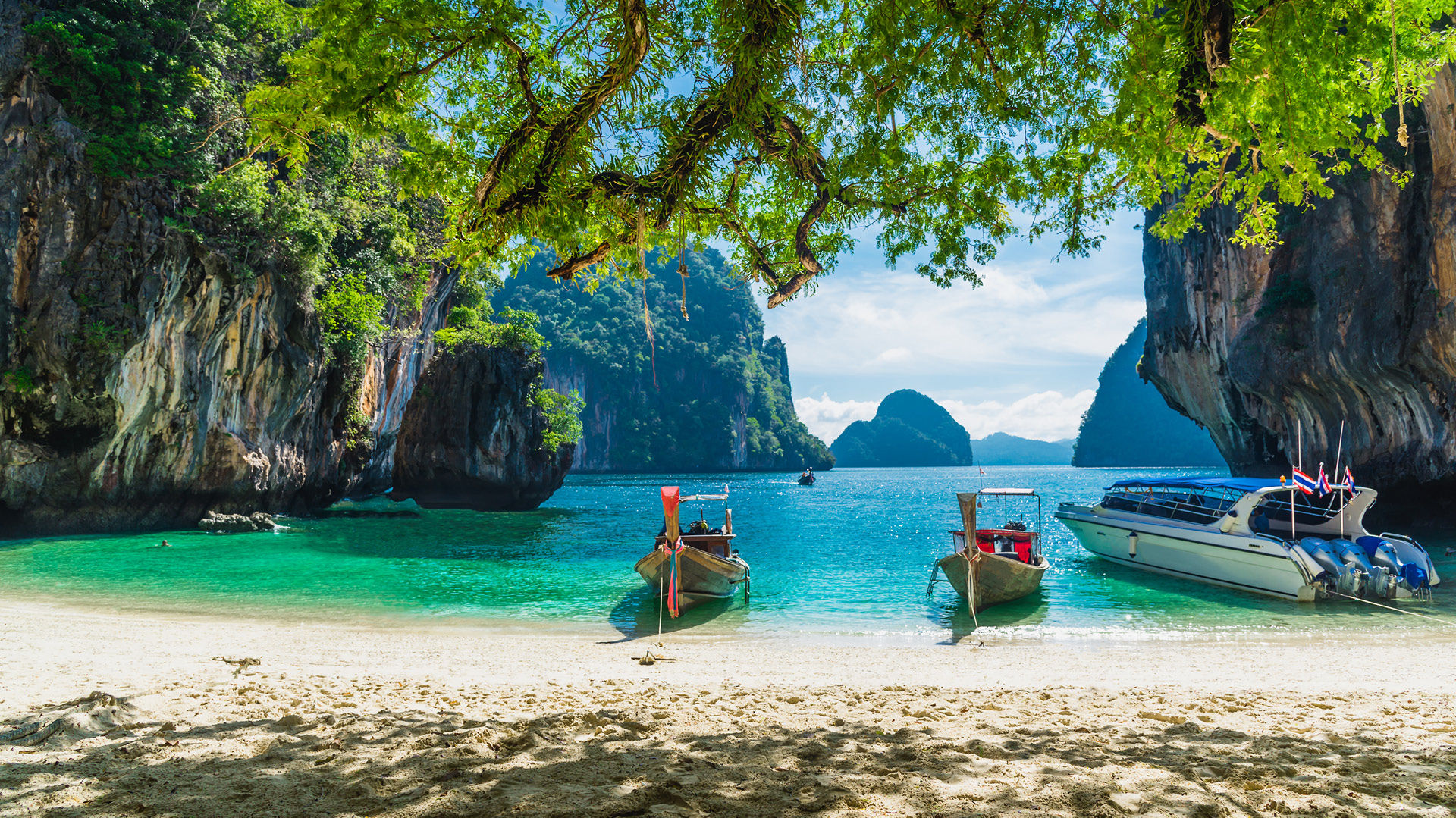
Andaman
Paradise of pristine beaches

Rajasthan
Land of kings and culture

Kashmir
Heaven on Earth

Ladakh
Land of high passes

Kerala
God's own country

Meghalaya
Abode of the clouds

Dubai
City of gold and luxury

Thailand
Land of smiles

Maldives
Tropical paradise islands
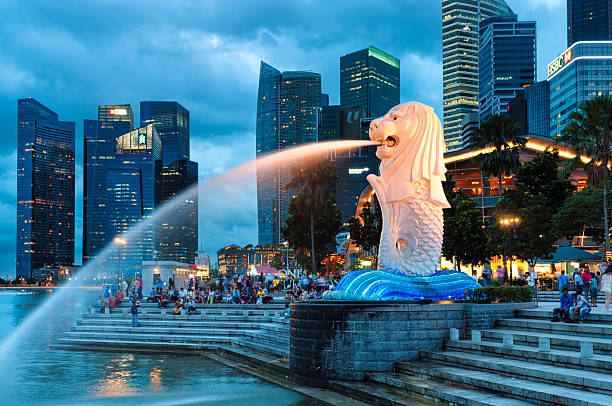
Singapore
Garden city of Asia

Bali
Island of the gods

Vietnam
Ancient charm meets modern