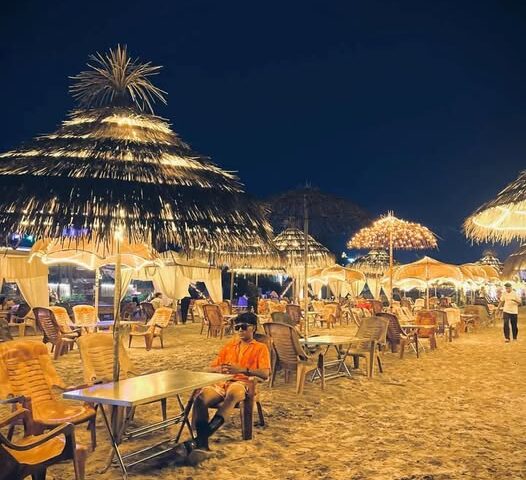
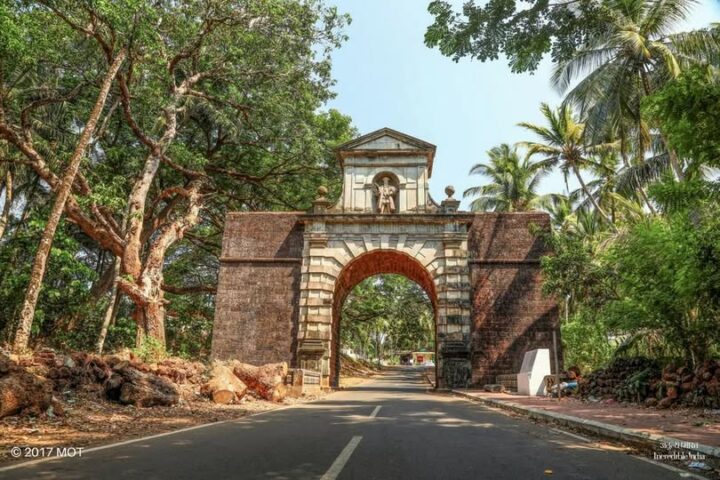
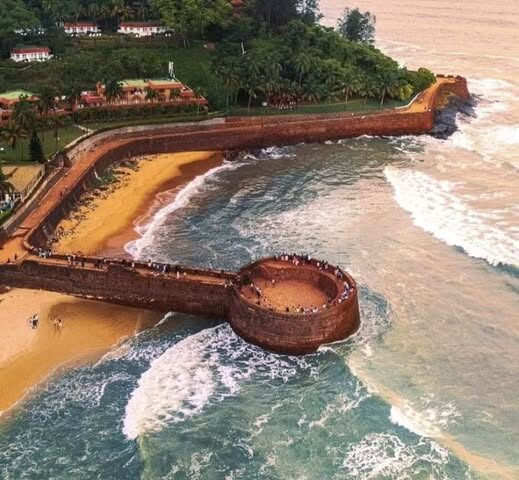
South Goa is the peaceful side of Goa, known for its wide sandy beaches, green countryside, charming villages and historic Portuguese-era churches and mansions. It is an ideal destination for travellers who want to enjoy beautiful coastal views, discover local culture and spend time away from crowded tourist areas.
This guide covers the best places to visit in South Goa, grouped by location to help you plan your sightseeing efficiently and spend less time travelling. You’ll also find recommendations on where to stay, a practical 5-day South Goa itinerary, useful travel tips and an easy way to explore Goa tour packages with Lazy Yatra.
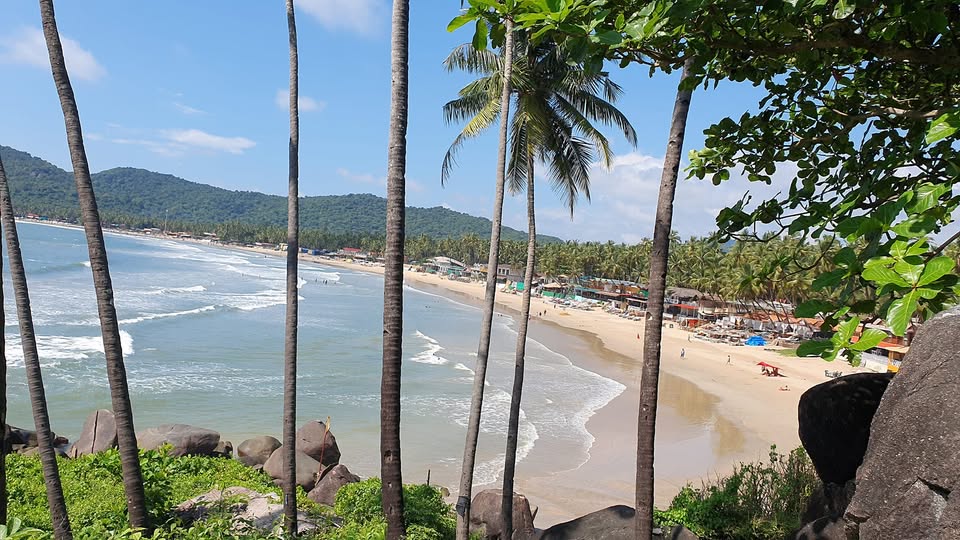
How to Plan Places to Visit in South Goa
South Goa covers a large area, with beaches, heritage villages, forts and nature attractions spread across the coast and inland countryside. Trying to visit everything in one day can mean spending more time on the road than enjoying the destination. The best approach is to group nearby attractions and explore one area at a time.
Here is a simple way to organise your South Goa sightseeing:
- Central coast: Visit Majorda, Betalbatim, Colva, Benaulim, Varca, Cavelossim and Mobor. These beaches are ideal for relaxed seaside walks, beachside dining and sunset views.
- Far south: Explore Agonda, Palolem, Patnem, Talpona, Galgibaga and Cabo de Rama Fort. This region is perfect for travellers who enjoy quieter beaches, scenic coastal views and nature.
- Heritage inland: Discover Margao, Chandor, Loutolim and Rachol for historic churches, traditional Goan homes, local markets and cultural attractions.
- Nature inland: Plan separate trips to Dudhsagar Waterfalls, Cotigao Wildlife Sanctuary and Netravali. These attractions require more travel time, so start early and check access conditions before leaving.
- Airport side: Combine Bogmalo Beach with the Naval Aviation Museum for a convenient half-day outing, especially if you are staying near Vasco da Gama or travelling through Goa’s airport area.
For more ideas, you can refer to the official South Goa district places of interest page. A practical sightseeing plan includes two or three nearby attractions per day. This leaves enough time to relax on the beach, enjoy Goan food and explore without rushing.The district’s official South Goa places of interest page is a good starting list. Pick two or three places to visit in South Goa per day. That is plenty.
Best Beaches Among the Places to Visit in South Goa
South Goa is famous for its palm-fringed coastline, soft sand and relaxed atmosphere. However, every beach has its own character. Some are lively and convenient, while others are better suited to peaceful walks, scenic views or a quiet escape.
Colva Beach : Colva is one of South Goa’s best-known beaches and is located around 6 km from Margao. It has a lively atmosphere, with beach shacks, restaurants, shops and easy access to nearby accommodation. It is a convenient starting point for first-time visitors who want to experience Goa’s beach culture without travelling too far from the main town. You can spend time walking along the sand, enjoying local food or relaxing by the sea.
Benaulim Beach: It is Located close to Colva, Benaulim offers a calmer atmosphere with a village feel. It is a good choice for travellers who prefer a slower pace, long beach walks and peaceful evenings. You can enjoy a relaxed lunch at a beach shack, watch the changing colours of the sky at sunset or simply spend a few hours by the water.
Varca Beach: Varca is known for its broad sandy shoreline and relatively peaceful surroundings. Compared with busier beaches, it often feels more spacious, making it suitable for couples and travellers looking to unwind. The beach is ideal for morning walks, photography and quiet sunset visits. Nearby resorts also make it a convenient option for a comfortable beach holiday.
Cavelossim Beach: Cavelossim combines a beautiful coastline with nearby resorts, restaurants and access to the Sal River area. Dark rocks along parts of the shoreline add contrast to the pale sand and blue sea. Visitors can enjoy beach walks, relaxed dining and, where available, boat trips in the surrounding area. Check local operators and weather conditions before booking water activities.
Mobor Beach : Mobor lies near the southern end of the Cavelossim coastal stretch and is known for its resort-style atmosphere. It suits travellers who want an easy beach day with nearby facilities and dining options. Depending on local conditions and availability, visitors may also find boat trips and water-based activities offered in the area. Confirm prices, safety arrangements and operating schedules before participating.
Betalbatim and Majorda Beaches: Betalbatim and Majorda are good choices for travellers who want to enjoy the central coast at a more relaxed pace. Their long sandy stretches are suitable for leisurely walks, photography and spending time away from busier areas. You can combine either beach with Colva or Benaulim in one day, making this a convenient option for a short South Goa trip.
Agonda Beach: Agonda is known for its peaceful setting, green surroundings and long stretch of sand. It is a favorite among travelers seeking a slower beach experience away from busier tourist centres. Spend time walking along the shoreline, enjoying the natural scenery or relaxing at a nearby café. Keep in mind that swimming conditions can change, so always follow local safety advice.
Palolem Beach: Palolem is one of South Goa’s most recognisable beaches, known for its curved bay, scenic views and lively collection of cafés and places to stay. It offers a balance between relaxation and activities. Visitors can enjoy beachside dining, photography and boat trips when conditions and local permissions allow. The beach can become busy during the main tourist season, especially around popular cafés and accommodation areas.
Patnem Beach: Patnem is close to Palolem but generally offers a gentler, more laid-back atmosphere. It is suitable for travellers who want a peaceful coastal stay while remaining within easy reach of restaurants and activities around Palolem. Enjoy a slow morning, take a walk along the beach or spend the evening watching the sunset. Its smaller scale makes it a good choice for couples and visitors seeking a relaxed holiday.
Talpona and Galgibaga Beaches: These are among the quieter beaches in South Goa, making them appealing to travelers who prefer natural surroundings over busy beachside commercial areas. Galgibaga is known for its importance as a sea turtle nesting site. Visitors should respect protected areas, follow local conservation instructions, avoid disturbing wildlife and never leave litter behind. Talpona is also a good option for peaceful walks, but facilities may be limited, so carry drinking water and plan your transport in advance.
Central Coast or Far South: Which Should You Choose?
Choose the central coast if you want convenient access to restaurants, beach shacks, shops and a range of accommodation options. Colva, Benaulim and Majorda are useful bases for relaxed sightseeing, while Varca, Cavelossim and Mobor offer a quieter resort-oriented experience.
Choose the far south if you prefer scenic drives, quieter beaches and a slower holiday. Agonda is ideal for unwinding, Palolem offers more cafés and activities, and Patnem provides a quieter alternative nearby. Talpona and Galgibaga are better suited to travellers who enjoy nature and fewer crowds.
For an efficient itinerary, explore Colva, Benaulim and Betalbatim together on one day. Visit Varca, Cavelossim and Mobor on another. If you are heading towards Agonda or Palolem, allow enough time to enjoy the beaches rather than trying to fit in too many stops.
Before swimming, check the sea conditions and follow lifeguard instructions. Beach conditions, facilities and permitted activities can vary by season and location.
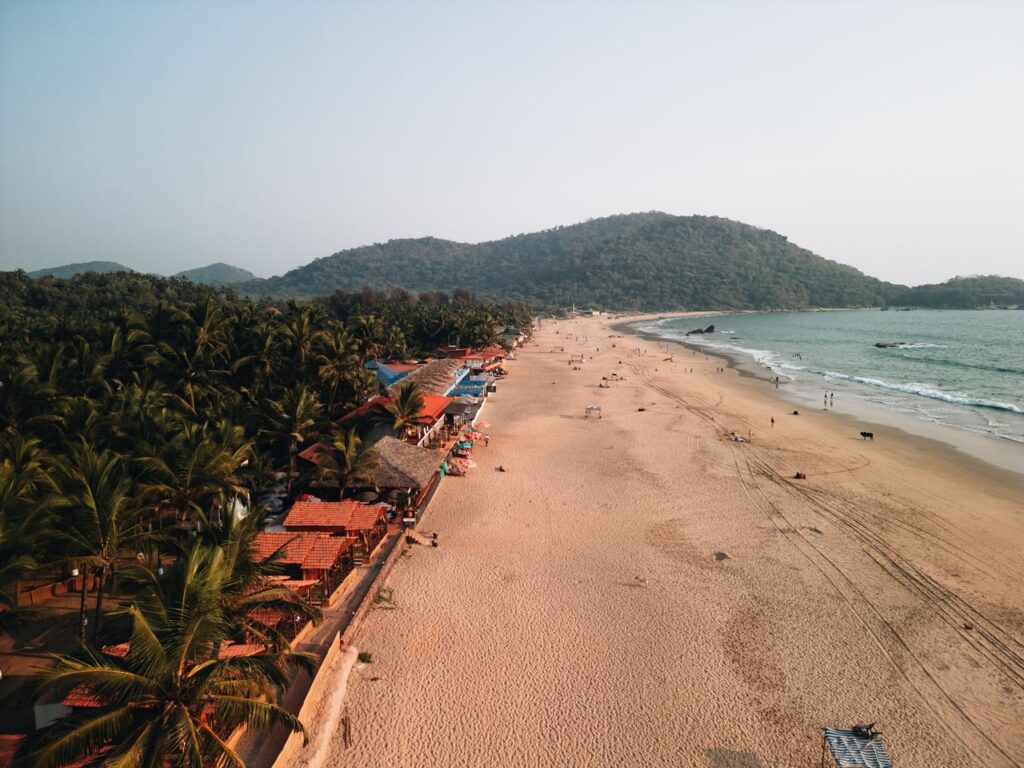
Cabo de Rama Fort and Scenic Viewpoints
Cabo de Rama Fort is one of the most scenic historical attractions in South Goa. Located on a rocky headland overlooking the Arabian Sea, the fort offers panoramic coastal views, historic ruins and a peaceful atmosphere away from Goa’s busier tourist areas. It is an excellent stop for history enthusiasts, photographers and travellers who enjoy exploring natural viewpoints. The fort’s name is associated with the Hindu epic Ramayana, with local tradition linking the site to Lord Rama. The Portuguese took control of the fort in 1763 and strengthened its defences. Today, visitors can explore sections of the old fort walls, pass through the entrance gate and visit the small church within the complex. Although much of the original structure lies in ruins, the location itself makes the visit worthwhile.
The biggest attraction is the view from the headland. The Arabian Sea stretches towards the horizon, while rugged cliffs and green vegetation create a dramatic coastal landscape. On a clear day, the viewpoints are particularly beautiful for photography and quiet moments overlooking the sea. The fort is also a wonderful place to enjoy the natural beauty of South Goa without spending an entire day sightseeing.
You can read more about its history on Wikipedia’s Cabo de Rama Fort page.
Visitor information:
- Time needed: Allow around 1–2 hours to explore the fort, visit the church and enjoy the viewpoints.
- Best nearby attraction: Combine the visit with Agonda Beach, which is a convenient addition to a day exploring South Goa’s quieter coastline.
- Best time to visit: The cooler morning hours or late afternoon are generally more comfortable. Late afternoon can also offer beautiful coastal views.
- Getting there: A private car or taxi is a convenient option because public transport to the fort can be limited. Arrange your return transport in advance if you are not driving yourself.
- Safety tips: Stay on marked paths and keep a safe distance from cliff edges. Rocks and walking surfaces may become slippery after rain, so take extra care during the monsoon.
Cabo de Rama Fort is best enjoyed at an unhurried pace. Rather than treating it as a quick photo stop, allow time to explore the ruins and appreciate the dramatic coastline. Pairing it with Agonda Beach makes for a relaxed day combining history, nature and scenic views.
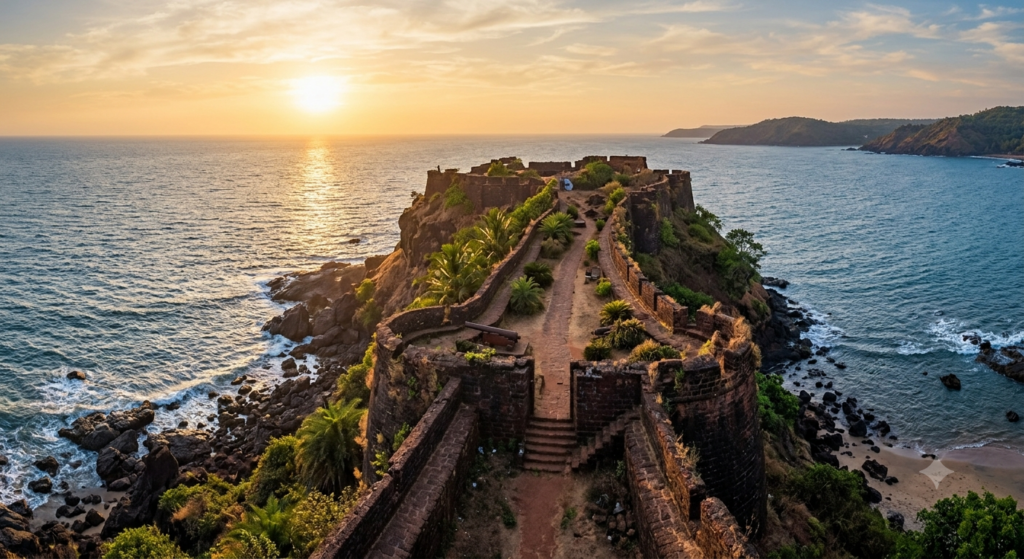
The same rules apply at other coastal viewpoints in the south. Leave before dark unless the spot is set up for evening visitors.
Churches and Heritage Places to Visit in South Goa
Beyond its beaches, South Goa has a rich cultural heritage shaped by Portuguese-era architecture, Christian traditions and traditional Goan village life. Many of its most interesting historical attractions are located inland, away from the main beach areas. Exploring these places gives you a chance to discover old churches, historic mansions, local customs and the region’s architectural history.
Our Lady of Mercy Church, Colva: Our Lady of Mercy Church is one of the important religious landmarks in Colva. The church is associated with devotion to the Infant Jesus and attracts worshippers throughout the year. Its religious significance and connection with local Catholic traditions make it an interesting stop for visitors who want to learn more about Goa’s cultural heritage. You can admire the church’s architecture, observe its peaceful surroundings and learn about its importance to the local community. If you are visiting during a religious festival or service, the area may be busier than usual. Check the service schedule before planning your visit, dress modestly and be respectful during prayers.
Visitor tip: Combine the church with Colva Beach and nearby Benaulim for a relaxed half-day sightseeing plan.
Rachol Seminary: Rachol Seminary is a historic religious institution located in the village of Rachol, near the Zuari River. Dating back to the sixteenth century, it holds an important place in Goa’s Christian educational and religious history. The seminary is known for its historic setting and its connection with the development of Christian education in the region. Information from the South Goa district tourism resources also refers to a Christian art museum associated with the site. Depending on access arrangements, visitors may have the opportunity to learn about religious art, historic objects and the institution’s legacy. As this is an active religious and educational site, visitor access may be restricted at certain times. Contact the institution or check official information before travelling, especially if you want to see the museum.
Visitor tip: Allow time for the drive through the surrounding countryside, and combine Rachol with other heritage attractions if access is available.
Three Kings Chapel, Cansaulim: Three Kings Chapel is a small chapel situated on a hill near Cansaulim. It is known for its elevated location, quiet atmosphere and views of the surrounding countryside. The setting makes it a worthwhile stop for visitors interested in religious heritage and scenic viewpoints. The chapel is also associated with local legends surrounding the Three Kings. Visitors often come to enjoy the peaceful surroundings and take photographs of the landscape from the hilltop. The uphill approach can be steep in places, so comfortable footwear is recommended.
Visitor tip: Visit during daylight hours, take care on the path and avoid the climb when surfaces are slippery after rain.
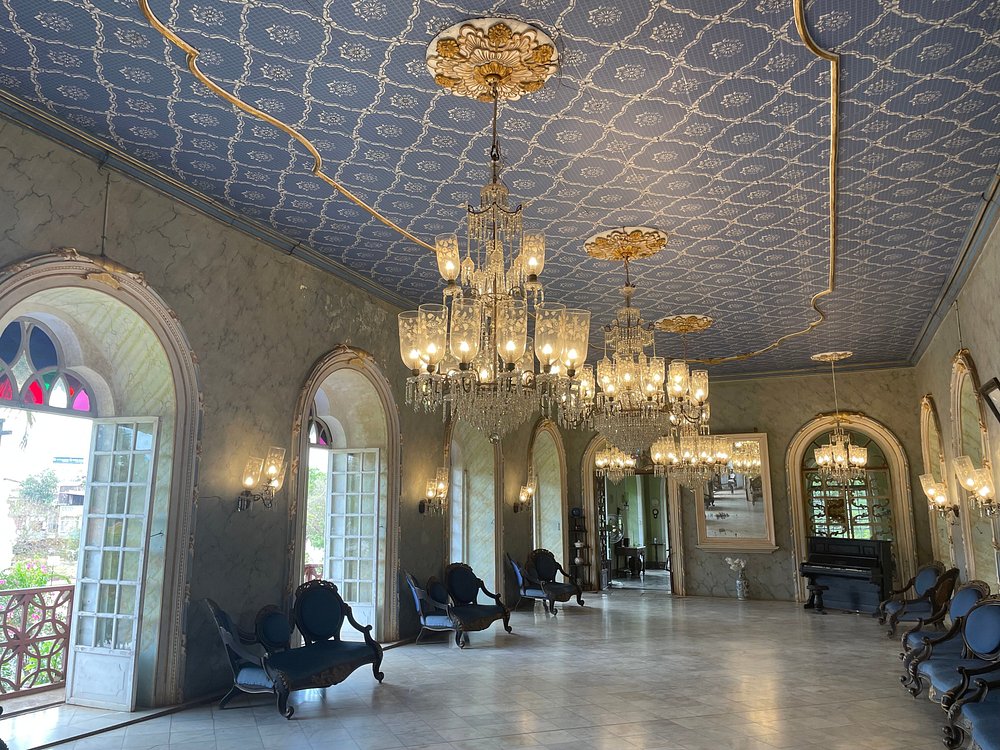
Braganza House, Chandor: Braganza House in Chandor is one of Goa’s best-known Portuguese-era heritage mansions. This grand ancestral home reflects the wealth, architecture and lifestyle of prominent Goan families during earlier centuries. Its spacious rooms, period furniture, decorative interiors and family heirlooms offer a glimpse into the region’s colonial-era domestic life. The mansion is associated with the Braganza family and is divided into separate family sections. Depending on the arrangements at the time of your visit, the rooms and collections available to visitors may vary. A guided tour, where offered, can help explain the building’s architecture, family history and antique furnishings.
Time needed: Allow around 1–2 hours, including the tour and time to explore the village.
Visitor tip: Check opening arrangements before travelling, as visits may depend on the availability of family members or guides. Combine Chandor with other heritage villages for a fuller cultural experience.
Ancestral Goa (Big Foot), Loutolim: Ancestral Goa, popularly known as Big Foot, is an open-air cultural attraction in Loutolim that presents aspects of traditional Goan village life. The site recreates scenes from an earlier period, helping visitors understand local occupations, customs, homes and community traditions. It is a useful stop for families and travellers who want to explore Goan culture beyond beaches and churches. Walking through the grounds provides opportunities to see displays representing rural life and traditional ways of living. The attraction can also be a good introduction to the region’s cultural history for visitors travelling with children.
Time needed: Set aside around 1–2 hours, depending on how much of the site you explore.
Visitor tip: Check current opening hours and entry fees before visiting. Pair the attraction with other nearby heritage sites for a relaxed inland excursion.
Goa Chitra Museum, Benaulim: Goa Chitra Museum in Benaulim is a cultural museum dedicated to traditional Goan life, farming practices, crafts and everyday household objects. Its collection helps visitors understand how people lived and worked in Goa before modern machinery and contemporary lifestyles became widespread. The museum displays traditional agricultural tools, domestic items, crafts and objects connected with rural occupations. These exhibits provide useful context about the region’s history, particularly its farming communities and traditional skills. It is a rewarding visit for families, students and anyone interested in Goa’s cultural identity.
Time needed: Allow approximately 1–2 hours, depending on your interest in the exhibits and guided explanations.
Visitor tip: Visit the museum in the morning and spend the afternoon relaxing at Benaulim Beach. Check the museum’s latest timings, ticket prices and tour availability before your visit.
How to Plan a South Goa Heritage Day
You do not need to visit every historical attraction in one day. Instead, group the places by location to avoid unnecessary driving.
- Colva and Benaulim: Visit Our Lady of Mercy Church and Goa Chitra Museum, then relax at a nearby beach.
- Chandor and Rachol: Explore Braganza House and Rachol Seminary, confirming access arrangements in advance.
- Cansaulim and Loutolim: Visit Three Kings Chapel and Ancestral Goa, leaving enough time for the uphill walk and museum exploration.
If you are particularly interested in architecture and history, prioritise the churches, seminary and Braganza House. For a family-friendly cultural outing, Ancestral Goa and Goa Chitra Museum are excellent options.
These heritage attractions reveal a different side of South Goa, complementing its beaches with stories of religion, architecture, family traditions and village life. Check current visiting arrangements before setting out, as access to religious institutions and privately managed heritage properties can change.
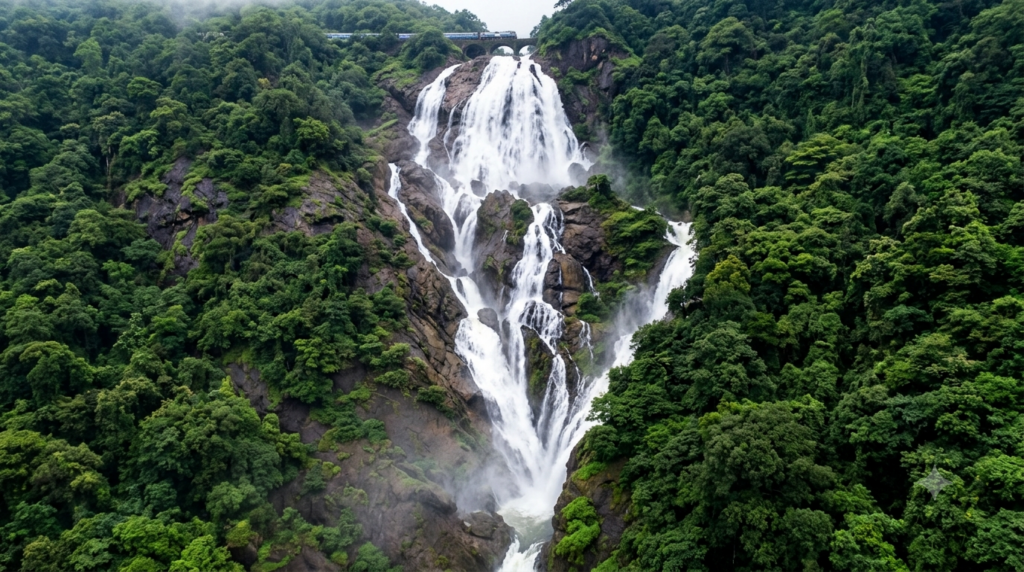
Dudhsagar and Nature Among the Places to Visit in South Goa
Beyond its beaches and historic villages, South Goa has a beautiful inland landscape filled with dense forests, mountain scenery, waterfalls and wildlife habitats. This side of Goa is ideal for travellers who enjoy nature, photography and outdoor experiences. However, some attractions require advance planning because access can depend on the weather, forest regulations and seasonal restrictions.
Dudhsagar Waterfalls – One of Goa’s Most Famous Natural Attractions
Dudhsagar Waterfalls is one of the most spectacular natural attractions in Goa. Its name means sea of milk, inspired by the white appearance of water cascading down the rocky mountainside. Located in the Western Ghats, the waterfall drops approximately 310 metres across several tiers, surrounded by lush green forests. During the monsoon and immediately afterwards, the waterfall can look especially dramatic as water rushes down the hillside. The surrounding forest and mountain scenery make it a popular destination for nature lovers and photographers. However, the experience depends heavily on the season and the access arrangements in place.
How to reach Dudhsagar Waterfalls
One of the main visitor routes starts from Kulem, also known as Collem, where authorised jeep safaris operate when permitted. The journey passes through forested terrain before visitors continue to the designated waterfall area. Access is regulated, so visitors should follow the current booking instructions and rules issued by the relevant authorities. The jeep safari generally does not operate during the monsoon closure period, commonly from around mid-June until late September. For the 2026–27 season, the reopening in early October was reported by Outlook Traveller. Dates and operating arrangements can change, so check the latest official notice before making travel plans.
Important visitor information
- Time needed: Plan for most of a day. Allow approximately 6–8 hours for the overall experience, depending on travel time, queues and current arrangements.
- Booking: Use the government-authorised booking portal or the official channel specified by the authorities. Avoid unauthorised roadside offers.
- Transport: Only vehicles authorised under the applicable forest department rules are permitted on the regulated safari route.
- Safety: Follow instructions from staff and guides. Life jackets are mandatory where required at the designated water area, and visitors must follow all swimming and water-entry restrictions.
- Railway tracks: Walking along railway tracks to reach the waterfall is prohibited and dangerous. Use only permitted visitor routes.
- Monsoon travel: The waterfall may look impressive during heavy rains, but safari access is generally suspended during the monsoon. Never assume the route is open without checking first.
Is Dudhsagar worth visiting?
Yes, if you enjoy natural landscapes and can dedicate most of a day to the excursion. The waterfall, forest surroundings and mountain views make it a memorable addition to a South Goa holiday. It is best planned as a separate day trip rather than squeezed between several beaches or heritage attractions.
Before leaving, confirm the safari’s operating status, booking requirements, weather conditions and any restrictions on access to the waterfall. This helps you avoid unnecessary travel and enjoy the visit safely.
Sanctuaries and Quiet Nature Spots in South Goa
South Goa’s inland region offers a refreshing change from the coastline. Dense forests, quiet nature trails, freshwater springs and scenic reservoirs make it a good choice for travellers who want to explore Goa beyond its beaches. These attractions are best suited to nature lovers, photographers and visitors who enjoy peaceful surroundings.
Bhagwan Mahavir Wildlife Sanctuary – Best for Forests and Wildlife
Bhagwan Mahavir Wildlife Sanctuary is a large forest reserve near Mollem in the Western Ghats. It is known for its rich greenery, diverse wildlife and natural landscapes. The sanctuary is also associated with the wider Dudhsagar region, making it a useful addition to a nature-focused day trip. The forest area supports a variety of birds, mammals, reptiles and plant species. Visitors can experience the natural surroundings along permitted routes and explore designated areas when access is available. Since Dudhsagar Waterfalls is located in this broader region, many travellers plan the two attractions together, subject to safari schedules and access restrictions.
Visitor tips: Follow authorised routes, respect wildlife and avoid feeding animals. Check which areas are open before travelling, as access may vary with weather and forest department regulations.
Cotigao Wildlife Sanctuary – Best for Quiet Trails and Birdwatching
Cotigao Wildlife Sanctuary, located in South Goa near the Karnataka border, is an appealing destination for travellers who prefer a quieter forest experience. Its landscape includes dense vegetation, tall trees and habitats that support different species of birds and other wildlife. The sanctuary is particularly attractive to nature enthusiasts who enjoy walking through forest surroundings and observing plants and birds. Sightings depend on the season, weather and time of day, so it is best to visit with patience rather than expecting to see specific animals.
Visitor tips: Start early if possible, wear comfortable walking shoes and carry drinking water. Check trail conditions and current entry arrangements before your visit. Allow plenty of time for the drive, as Cotigao is relatively far from the main beach belt.
Netravali Bubbling Lake – Best for a Unique Natural Attraction
Netravali Bubbling Lake, also known as Budbudyanchi Tali, is a small stone-lined pond in the Netravali area. It is famous for bubbles that rise through the water at intervals, creating a distinctive natural sight. The pond is a fascinating stop because the bubbles can appear at different points on the surface. However, they do not necessarily rise continuously, so visitors may need to wait quietly to observe the phenomenon. The peaceful surroundings also make it an interesting place to appreciate the rural landscape of inland Goa.
Visitor tips: Avoid disturbing the water or damaging the stone structure. Follow local instructions and plan the visit alongside other attractions in the Netravali region. Since the area is far from many popular beaches, it is more practical to give it a dedicated day or combine it with nearby inland stops.
Kesarval Spring – Best for a Short Nature Stop
Kesarval Spring is a natural spring surrounded by greenery in the Verna area. It has long been associated with local traditions and beliefs about the water. Some visitors come to experience the setting or learn about its traditional significance. The spring can be a relatively short stop rather than a full-day attraction. Its appeal lies in the natural surroundings and its place in local folklore and customs.
Visitor tips: Check current access arrangements before visiting. Do not drink untreated spring water, as its safety cannot be assumed. Respect local practices and follow any restrictions on bathing or entering the water.
Salaulim Dam – Best for Green Landscapes and Reservoir Views
Salaulim Dam is a major water infrastructure project in South Goa, surrounded by green countryside. The reservoir and surrounding landscape can offer scenic views, especially during and after the monsoon, when the vegetation is lush. It is a good option for travellers interested in landscapes, photography and quieter inland drives. However, this is a working dam rather than a conventional tourist attraction, so access to the structure and certain surrounding areas may be restricted.
Visitor tips: Follow all warning signs and stay within permitted viewing areas. Check access conditions before travelling, and do not enter restricted sections or approach water-control structures.
How to Plan a South Goa Nature Trip
These attractions are spread across different parts of inland Goa, so planning your route is essential.
- Dudhsagar and Mollem: Combine Dudhsagar Waterfalls with permitted visitor areas around Bhagwan Mahavir Wildlife Sanctuary, depending on the safari schedule and current access rules.
- Netravali region: Focus on Netravali Bubbling Lake and nearby nature spots. Allow extra travel time from the coast.
- Canacona and the southern forest belt: Consider Cotigao Wildlife Sanctuary as a separate excursion if you are staying around Palolem, Patnem or Agonda.
- Shorter inland stop: Consider Kesarval Spring or the permitted viewing areas around Salaulim Dam, depending on your location and current access conditions.
Netravali and Cotigao are relatively far from the main beach areas, so avoid squeezing them into a packed sightseeing schedule. A dedicated day gives you more time to enjoy the drive and natural surroundings.
Temples, Margao and Local Food in South Goa
South Goa’s cultural experience is not limited to its churches, beaches and heritage mansions. Traditional temples, spiritual centres and bustling local markets reveal another side of the region’s identity. Exploring these places also gives you an opportunity to experience local food and everyday life.
Shri Mallikarjun Temple, Canacona
Shri Mallikarjun Temple is an important religious site in Canacona, known for its traditional Goan temple architecture and carved wooden pillars. Dedicated to Lord Mallikarjun, a form of Lord Shiva, the temple holds cultural and spiritual significance for the local community. Its traditional design and peaceful atmosphere make it an interesting stop for travellers exploring the southern part of Goa. Visitors can learn about local worship traditions while appreciating the craftsmanship and architectural details of the temple.
Visitor tips: Dress respectfully, remove footwear wherever required and follow the temple’s photography and visitor rules. The temple can be included in a southern sightseeing day around Canacona, Palolem or nearby coastal areas.
Partagali Jeevottam Math – A Historic Spiritual Centre
Partagali Jeevottam Math is a historic spiritual centre in the Partagali area of Canacona. Traditionally dated to 1475, it is an important institution associated with the Dvaita Vedanta tradition and the Gaud Saraswat community. The math has a long religious history and offers visitors an opportunity to learn about Goa’s spiritual heritage beyond its better-known coastal attractions. Its peaceful setting makes it suitable for travellers interested in religious traditions, history and cultural sites.
Visitor tips: Confirm visitor access and any special timings before travelling. Dress modestly, maintain silence in designated areas and respect the rules of the institution.
Both Shri Mallikarjun Temple and Partagali Jeevottam Math can be included in a southern Goa itinerary. Allow enough time for the journey and avoid rushing between religious sites and beaches.
Margao Municipal Market – Best for Local Shopping and Food
Margao is one of South Goa’s main commercial centres and a useful place to experience the region’s everyday life. Its municipal market is a lively destination where visitors can find fresh produce, spices, local ingredients, flowers and other everyday goods. A morning visit is ideal for seeing the market at its busiest. You can browse local products, observe the variety of ingredients used in Goan cooking and explore nearby shops selling regional specialities. The market is also a convenient stop if you are travelling between the beach areas and inland heritage attractions.
What to Eat in South Goa
Food is an important part of exploring South Goa. Local menus often feature seafood, coconut-based curries, rice dishes, fresh bread and traditional sweets. Depending on the restaurant, you may find Goan fish curry, prawn dishes, vegetable preparations and regional snacks. Vegetarian travellers can also find suitable meals, particularly in local restaurants and establishments serving Indian cuisine. However, recipes and cooking practices vary, so explain your dietary requirements clearly when ordering. If you avoid eggs, fish or meat for religious or dietary reasons, specify this rather than simply asking for a vegetarian dish.
Local food tips:
- Visit Margao Market in the morning for a lively shopping experience.
- Carry some cash for small vendors and market purchases.
- Ask about ingredients if you have specific dietary requirements.
- Try local sweets and freshly baked bread from reputable shops.
- Choose clean, busy food establishments and drink safe, treated water.
A visit to Margao adds a local flavour to a South Goa holiday, while the temples and spiritual centres provide a deeper understanding of the region’s traditions. Together, these experiences balance the beaches and nature attractions, making your trip more varied and memorable.
Bogmalo Beach and the Naval Aviation Museum
This is the easiest side trip among places to visit in South Goa if you land at Dabolim airport. Bogmalo Beach is small and calm. It suits a short walk and a meal.
The Naval Aviation Museum sits on the Bogmalo road. Aircraft stand outdoors. Indoor halls cover naval aviation history. It is closed on Mondays. Opening hours vary by source, so confirm first. Allow 1 to 2 hours.
Where to stay for the best places to visit in South Goa
Your base decides your drive times.
- Colva or Benaulim: Best for first-timers and families. Good access to Margao and heritage sites.
- Cavelossim or Mobor: Best for resort stays and couples.
- Palolem or Patnem: Best for far-south beaches and a slower pace.
- Agonda: Best for quiet. Cabo de Rama is close.
- Margao: Best for transport links and inland day trips.
If you want both the central coast and the far south, split your stay in two. It cuts long daily drives.
A 5 day plan for places to visit in South Goa
This plan groups nearby spots. Swap days to suit the weather.
Day 1: Colva, Benaulim and Betalbatim. Start at Colva. See the church if open. Walk Benaulim in the afternoon. End at Betalbatim for sunset.
Day 2: Majorda to Mobor. Take a slow morning at Majorda. Drive south through Varca and Cavelossim. End at Mobor.
Day 3: Agonda, Cabo de Rama and Palolem. Do Agonda first. Visit the fort for the views. Reach Palolem by late afternoon.
Day 4: Dudhsagar. Give the whole day to the falls. Book your safari ahead. Skip beaches today.
Day 5: Culture. Choose Braganza House in Chandor, Ancestral Goa in Loutolim or Rachol. Add Margao market. End with an easy beach evening.
Want Netravali or Cotigao too? Add a sixth day. They are easier without rushing.
Best time to visit South Goa
The best time for most places to visit in South Goa is October to March. The weather is good for beaches, heritage walks and outdoor trips. December and holiday weeks are busy, so book early.
The monsoon makes the countryside green. But rain can close forest routes, disrupt boat trips and affect roads. Check conditions before any waterfall or sanctuary visit. The Dudhsagar jeep safari is a clear example. It is shut for several months each year.
Smart tips for sightseeing in South Goa
- Group by area. Do not mix Colva with Cabo de Rama on one day.
- Plan drive time. The far south is a long haul from the central coast.
- Check access. Forts, houses, museums and sanctuaries each have their own rules.
- Respect nature. Keep away from turtle nesting zones. Do not feed wildlife.
- Swim with care. Follow flags and lifeguard advice.
- Pack essentials. Water, sun protection, cash and a charged phone.
- Keep it light. Two or three places to visit in South Goa a day beat six rushed ones.
Book your South Goa trip with LazyYatra
A South Goa trip has many moving parts. Cars, stays, safari slots and timings all need to line up. LazyYatra can sort it for you, so you can enjoy the best places to visit in South Goa without stress. Share your dates, pace and budget. We plan the rest.
Plan my South Goa trip with ready-made Goa trip plans
Prefer to explore the north too? Read our North Goa places to visit guide. For costs and evenings, see our Goa itinerary, cost and nightlife guide. You can also check our Goa trip planning guide.
Quick answers
How many days do you need for the places to visit in South Goa? Three days cover several beaches and Cabo de Rama. Five days let you add heritage sites and Dudhsagar.
Which are the best places to visit in South Goa for couples? Palolem, Agonda, Patnem, Varca and Cavelossim are popular. Cabo de Rama is a lovely sunset stop.
Which places to visit in South Goa suit families? Colva, Benaulim, Ancestral Goa, Goa Chitra Museum and the Naval Aviation Museum all work well. Skip steep climbs with very young kids.
Is Dudhsagar open all year? No. The jeep safari is closed in the monsoon and reopens around October. Always check current status.
Is South Goa quieter than North Goa? Mostly, yes. Agonda, Patnem and the far-south beaches are calm. Colva and Palolem can get busy at weekends and in peak season.
With three to five days, you can cover the best places to visit in South Goa at an easy pace. Leave space for slow breakfasts and sunsets. That is what makes this side of Goa special.

Goa Tour Package - 4Nights
Experience the fun and beauty of Goa with this exciting 5-day, 4-night tour package. Relax on stunning beaches, explore vibrant…
4 Nights
Goa Tour Package - 5Nights
Join us for an exciting 6-day Goa tour package and discover the beauty of this tropical paradise! Enjoy 5 nights…
5 Nights
Weekend Package - Goa
Escape to sunny Goa with our exciting 3-day weekend package! Relax on stunning beaches, explore vibrant markets, and enjoy delicious…
2 Nights
Goa Tour Package - 3 Nights
Get ready for an unforgettable Goa tour package with this exciting 4-day vacation! Spend 3 nights enjoying the beautiful beaches,…
3 NightsGoa Tour Package - 6 Nights
Join us for an exciting Goa tour package that lasts 7 days and 6 nights! Experience the lively beaches, colorful…
6 NightsGoa 7 Nights Package
Embark on an unforgettable 8-day Goa vacation package filled with sun and fun! Relax on stunning beaches, explore vibrant markets,…
7 Nights
Rajasthan Family Package For 6 Nights
Embark on an unforgettable 7-day Rajasthan tour package that takes you through the royal cities of Jaipur, Jaisalmer, and Udaipur.…
6 Nights
Kashmir - Summer Package 4 Nights
Experience the breathtaking beauty of Kashmir and Jammu with our exciting 5-day summer tour package. Wander through stunning valleys, enjoy…
4 Nights
Andaman Family Tour Package for 5 Nights
Embark on an unforgettable Andaman tour package with this thrilling 6-day holiday in the breathtaking Andaman and Nicobar Islands. Enjoy…
5 Nights
Andaman Nicobar Tour Package With Port Blair and Havelock
Explore the stunning beauty of the Andaman and Nicobar Islands with our exciting 5-day tour package. Enjoy pristine beaches, lush…
4 Nights
Andaman And Nicobar Tour Packages With Port Blair and Havelock
Embark on a stunning Andaman tour package that takes you to the breathtaking Andaman and Nicobar Islands for 4 days…
3 Nights
Rajasthan Package For 5 Nights With Jaipur Jodhpur & Udaipur
Embark on a captivating 6-day Rajasthan tour package and explore the vibrant colors of this majestic land. From the pink…
5 NightsDiscover Incredible Destinations
Handpicked locations offering unforgettable experiences for every type of traveler
Andaman
Paradise of pristine beaches

Rajasthan
Land of kings and culture

Kashmir
Heaven on Earth

Ladakh
Land of high passes

Kerala
God's own country

Meghalaya
Abode of the clouds

Dubai
City of gold and luxury

Thailand
Land of smiles
Maldives
Tropical paradise islands
Singapore
Garden city of Asia

Bali
Island of the gods

Vietnam
Ancient charm meets modern