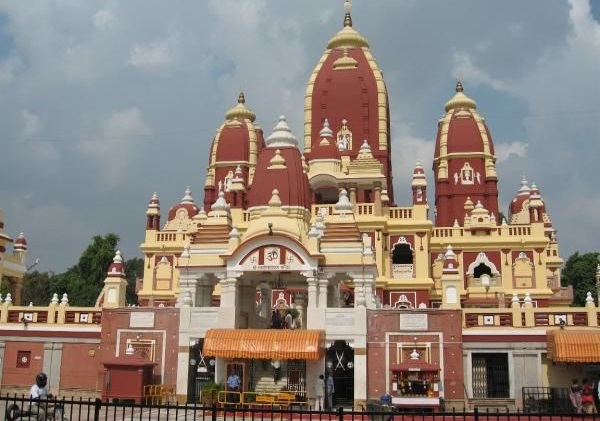
Govind Devji Temple Jaipur sits quietly inside the City Palace complex, between Badal Mahal and Chandra Mahal. It’s dedicated to Lord Krishna in his Govind Devji form, and it was the personal deity of Jaipur’s royal Kachwaha family. Unlike most Jaipur monuments, this one is a living temple, not a museum piece, so a visit here feels different from touring a fort.
This guide covers the temple’s history, its seven daily darshans, current timings, and what to expect if you go.
History of Govind Devji Temple
Maharaja Sawai Jai Singh II founded Jaipur in 1727, after moving his capital from Amber. Just a few years later, in 1735, he built the Govind Devji Temple to house a sacred Krishna idol he brought from Vrindavan.
He didn’t tuck the temple away. He placed it so he could see the deity directly from his own palace rooms, a detail that says a lot about how central this temple was to Jaipur’s royal life. Govind Devji became the principal deity of the Kachwaha rulers, and that royal connection still shapes how the temple is run today.
The legend behind the idol
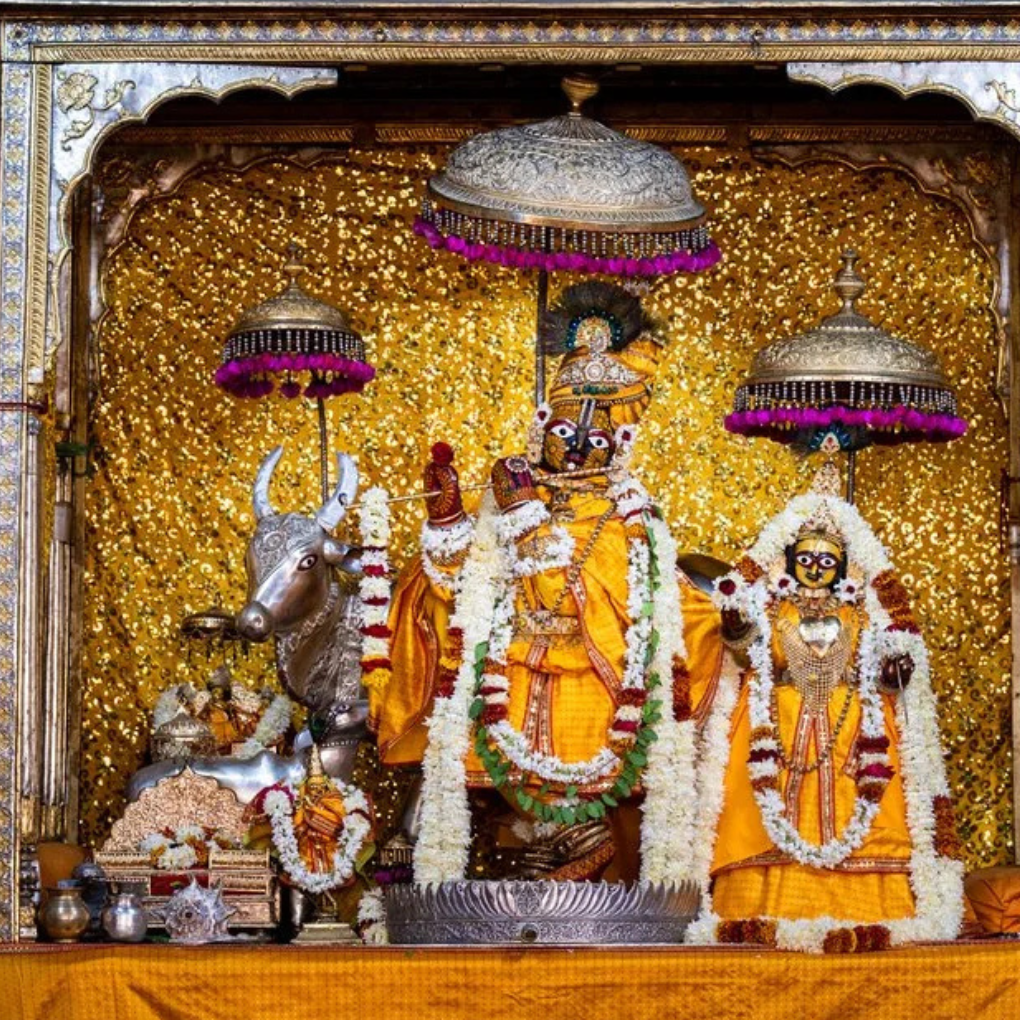
The story of the idol goes back long before the Jaipur temple existed. Tradition holds that the image, known as Bajrakrit, was made by Bajranabh, described as Lord Krishna’s great-grandson, working from a description his grandmother gave him. The idol was worshipped in Vrindavan for generations before Sawai Jai Singh II brought it to Jaipur.
Devotees believe the murti captures Krishna’s actual appearance during his time on earth. That belief is a big part of why the temple draws such steady crowds, not just curious travellers.
Architecture and the seven daily darshans
Govind Devji is unusual among Hindu temples because it has no towering spire. Instead, you’ll find an open columned hall, a wide courtyard, and gardens that soften the whole space. Step inside and look up: the ceiling is covered in gold, and the effect is dramatic under the temple’s chandeliers. Paintings and decorative details line the walls.
The temple’s biggest distinction, though, is its rhythm. Worship happens through seven daily darshans, called jhankis, each one marking a different stage of the deity’s day:
- Mangla – Mangla is the first darshan of the day. It takes place very early in the morning.
- Dhoop – Dhoop takes place later in the morning. Incense and devotional rituals form part of the worship. It provides another opportunity to see the beautifully decorated deity.
- Shringar – During Shringar, the deity is beautifully dressed and decorated. Clothing, ornaments, flowers, and other decorative elements are part of the presentation.
- Rajbhog – Rajbhog is associated with the principal food offering of the day. Devotees gather for darshan and prayers around this important offering. It is traditionally regarded as the royal or main meal offering to the deity.
- Gwal – Gwal is an afternoon/evening darshan. It represents another stage in the daily routine of Lord Krishna. Devotees participate in prayers and devotional singing.
- Sandhya – Sandhya takes place in the evening. It is one of the most popular periods for devotees. The atmosphere becomes especially devotional as lamps, bells, chants, and bhajans fill the temple.
- Shayan – Shayan is the final darshan of the day. It is associated with the deity’s night-time rest. The session marks the conclusion of the day’s temple rituals.
Between sessions, the temple gates close so priests can complete the rituals undisturbed.
Govind Devji Temple timings and darshan schedule (2026)
The temple doesn’t run on one continuous visiting window like a fort or palace. It opens and closes around each of the seven jhankis, and the schedule shifts slightly with the season.
| Darshan | Approximate timing (2026) |
|---|---|
| Mangla | 5:00 AM – 5:15 AM |
| Dhoop | 7:45 AM – 9:00 AM |
| Shringar | 9:30 AM – 10:15 AM |
| Rajbhog | 10:45 AM – 11:15 AM |
| Gwal | 5:00 PM – 5:15 PM |
| Sandhya | 5:45 PM – 6:45 PM |
| Shayan | 8:00 PM – 8:15 PM |
Treat this as a season-specific guide, not a fixed schedule. Summer and winter timings can differ by 30–60 minutes, and festivals like Janmashtami bring special hours of their own. Check the current day’s schedule before you set out, especially if you’re planning around one specific aarti.
These timings should be treated as a season-specific guide rather than permanent timings. Timings can change on special religious days and festivals. Visitors should verify the current day’s schedule before travelling, particularly if they want to attend a specific aarti.
There’s usually no entry ticket for standard darshan, which sets Govind Devji apart from ticketed sites like City Palace or Jantar Mantar.
Best time to visit, and Janmashtami
If your goal is a quiet, unhurried darshan, go for Mangla early in the morning. The temple is calmest then, and the pre-dawn atmosphere adds something the afternoon can’t match.
Prefer music and energy over silence? Sandhya in the evening is livelier, with bells, chanting, and a fuller crowd. Shringar, mid-morning, is worth catching if you want to see the deity in full, elaborate decoration.
One festival changes everything: Janmashtami.
Krishna Janmashtami is one of the most important festivals celebrated at Govind Devji Temple. It marks Krishna’s birth and draws thousands of devotees to the temple, with the whole complex decorated for the occasion and darshan timings running on a special schedule. If you’re visiting Jaipur around Janmashtami, arrive early and expect big crowds.
During Holi, we can also see too much crowd of the Krishna devotees, because holi is also an important festival associated with Krishna devotion. and as we know Govind Devji is temple dedicated to krishna, the festival has a special cultural and devotional atmosphere. Devotional songs, flowers, decorations, and religious celebrations can make the experience memorable.
For planning the wider trip around the season, see our guide to the best time to visit Rajasthan.
Temple etiquette and what to expect
This is an active place of worship, not a monument, so a few basics matter:
- Wear modest, respectful clothing
- Remove footwear where signs or staff ask you to
- Keep conversation quiet during prayers and aarti
- Don’t touch the deity or ritual objects unless invited to
- Ask before photographing people at prayer, and follow any no-photography signs near the sanctum
Expect bells, chanting, and devotional singing during darshan, especially in the evening. Crowds build fast around popular sessions, so give yourself a little extra time if you want a proper look at the deity rather than a quick pass-through.
How to reach and nearby attractions
Govind Devji Temple sits inside Jaipur’s City Palace complex, in the heart of the old walled city, so it’s easy to reach by taxi, auto-rickshaw, app-based cab, or local bus from almost anywhere in Jaipur.
Because it’s inside the palace grounds, it pairs naturally with a City Palace visit. A few other spots worth adding to the same day:
- Jantar Mantar – Jantar Mantar is a historic astronomical observatory established by Sawai Jai Singh II. It contains a remarkable collection of astronomical instruments. It is also a UNESCO World Heritage Site.
- Hawa Mahal – Hawa Mahal is one of Jaipur’s most recognizable landmarks. Its famous pink façade is located within the historic Pink City area. It can easily be included in a sightseeing route with City Palace and Govind Devji.
- Johari Bazaar and Bapu Bazaar – These market are traditional shopping are and popular market in Jaipur. Both of the markets are known for textiles, handicrafts, footwear, souvenirs, and local shopping.
For more on sequencing these sights, check our City Palace Jaipur guide, our Jantar Mantar guide, and our broader roundup of places to visit in Jaipur. If you’re mapping out a full Rajasthan trip beyond Jaipur, you can browse our Rajasthan tour itineraries for ideas.
Quick FAQs
When was Govind Devji Temple built? In 1735, by Maharaja Sawai Jai Singh II, the founder of Jaipur.
Is there an entry fee? Standard darshan is generally free, unlike ticketed sites such as City Palace or Amber Fort.
How many darshans happen each day? Seven, known as jhankis, spread from early morning to night.
What’s the best darshan for tourists? Shringar, mid-morning, gives the clearest view of the deity’s full decoration. Sandhya in the evening is best for atmosphere.
Is photography allowed? Rules can be strict near the sanctum. Follow the temple’s current instructions rather than assuming it’s fine to shoot.

Rajasthan Family Package For 6 Nights
Embark on an unforgettable 7-day Rajasthan tour package that takes you through the royal cities of Jaipur, Jaisalmer, and Udaipur.…
6 Nights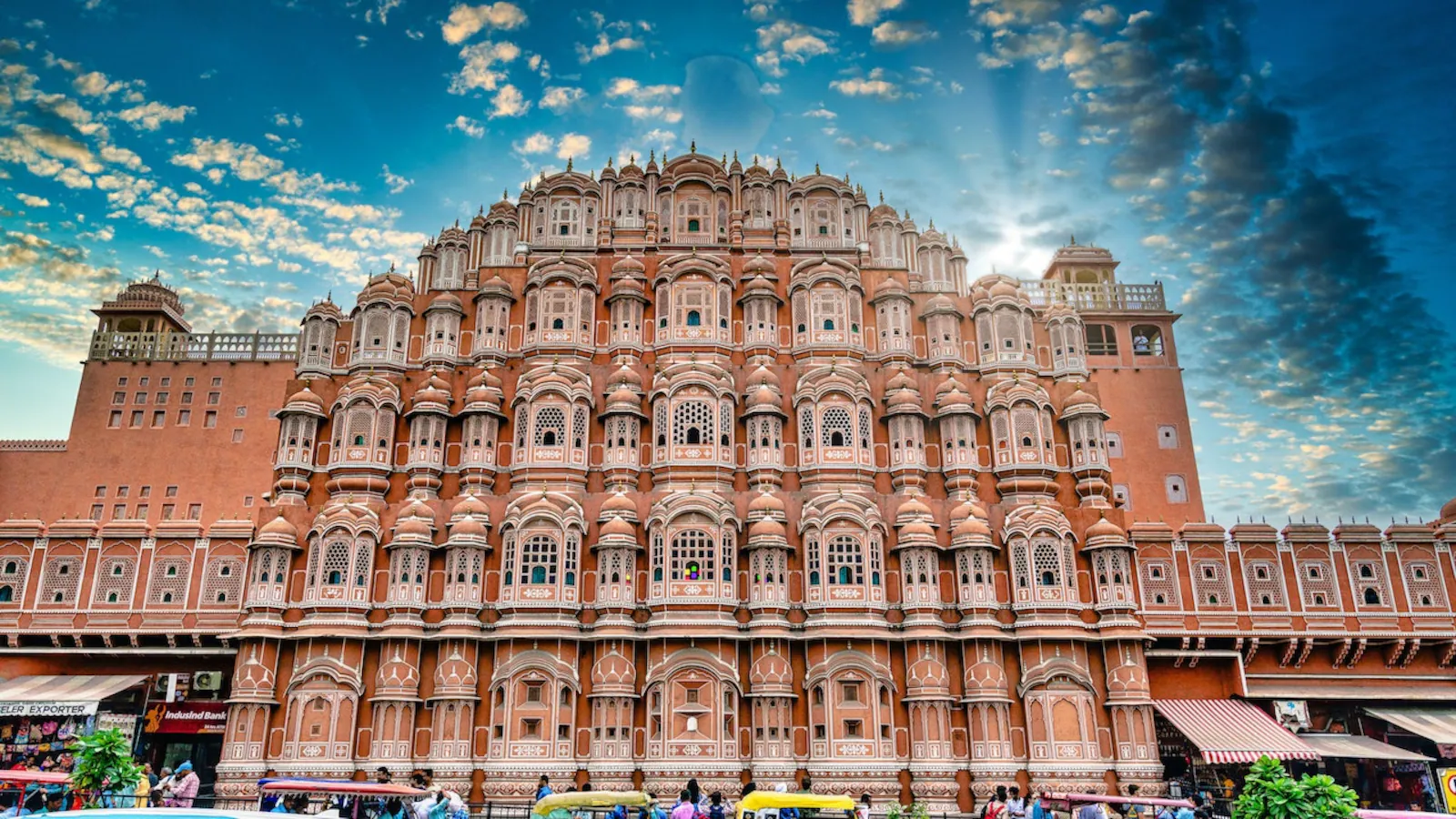
Rajasthan Package For 5 Nights With Jaipur Jodhpur & Udaipur
Embark on a captivating 6-day Rajasthan tour package and explore the vibrant colors of this majestic land. From the pink…
5 Nights
Jaisalmer Couple Package With Camp Stay & Camel Safari
Experience the magic of Jaisalmer with this delightful 3-day, 2-night tour package. Discover the golden sands of the Thar Desert,…
2 Nights
Rajasthan Safari Tour Package for Ranthambore and Jaipur
Embark on an exciting 4-day tour package to Rajasthan! This Jaipur Ranthambore holiday takes you to the enchanting city of…
3 Nights
Rajasthan 4 Nights Plan with Jaipur & Udaipur
Experience the charm of Rajasthan with this exciting 5-day tour package. Enjoy the majestic beauty of Jaipur and the romantic…
4 Nights
Rajasthan Tours for 8 Nights Jp2RnUd2Js2Jd
Join this exciting Rajasthan tour package for an unforgettable 9-day vacation! Explore the golden sands of Jaisalmer, the blue streets…
8 Nights
7 Nights Rajasthan Package With Jaipur Jodhpur Udaipur Jaisalmer
Embark on an unforgettable 8-day Rajasthan tour package and immerse yourself in the royal culture of Jaipur, Udaipur, Jaisalmer, and…
7 Nights
Rajasthan Tour Package - J2BJs2JdUd2PJ
Embark on an unforgettable 11-day Rajasthan tour package that takes you through the magnificent landscapes and rich culture of Rajasthan.…
10 Nights
Rajasthan Tour Package 9 Nights - J2RUd2Js2JdJp
Embark on a breathtaking 10-day Rajasthan tour package that takes you through the heart of Royal India. Discover the golden…
9 Nights
Golden Triangle - 5N - D2AJ2
Join us on an exciting 6-day tour package through the magical Golden Triangle. Discover the vibrant streets of Delhi, marvel…
5 Nights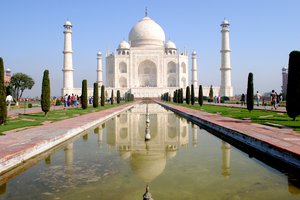
Golden Triangle 6N - J2AD3
Embark on an unforgettable Golden Triangle tour package that takes you through the vibrant cities of Delhi, Jaipur, and Agra…
6 NightsGolden Triangle Tour Package With Delhi Agra Only
Join this amazing Golden Triangle Tour Package for 3 days and 2 nights of unforgettable experiences in Delhi and Agra!…
2 NightsDiscover Incredible Destinations
Handpicked locations offering unforgettable experiences for every type of traveler
Andaman
Paradise of pristine beaches

Rajasthan
Land of kings and culture

Kashmir
Heaven on Earth

Ladakh
Land of high passes

Kerala
God's own country

Meghalaya
Abode of the clouds

Dubai
City of gold and luxury
Thailand
Land of smiles

Maldives
Tropical paradise islands
Singapore
Garden city of Asia

Bali
Island of the gods

Vietnam
Ancient charm meets modern