Ajmer sits in the Aravalli hills, right at the centre of Rajasthan. It is one of the state’s oldest cities, and it holds layers of history you can still walk through today. Chauhan kings, Delhi sultans, and Mughal emperors all left their mark here. Most travelers know Ajmer as a stopover before Pushkar. That is a mistake. This city has enough history, architecture, and quiet corners to fill a full day on its own. Here are the best places to visit in Ajmer, and why each one matters.
Ajmer Sharif Dargah
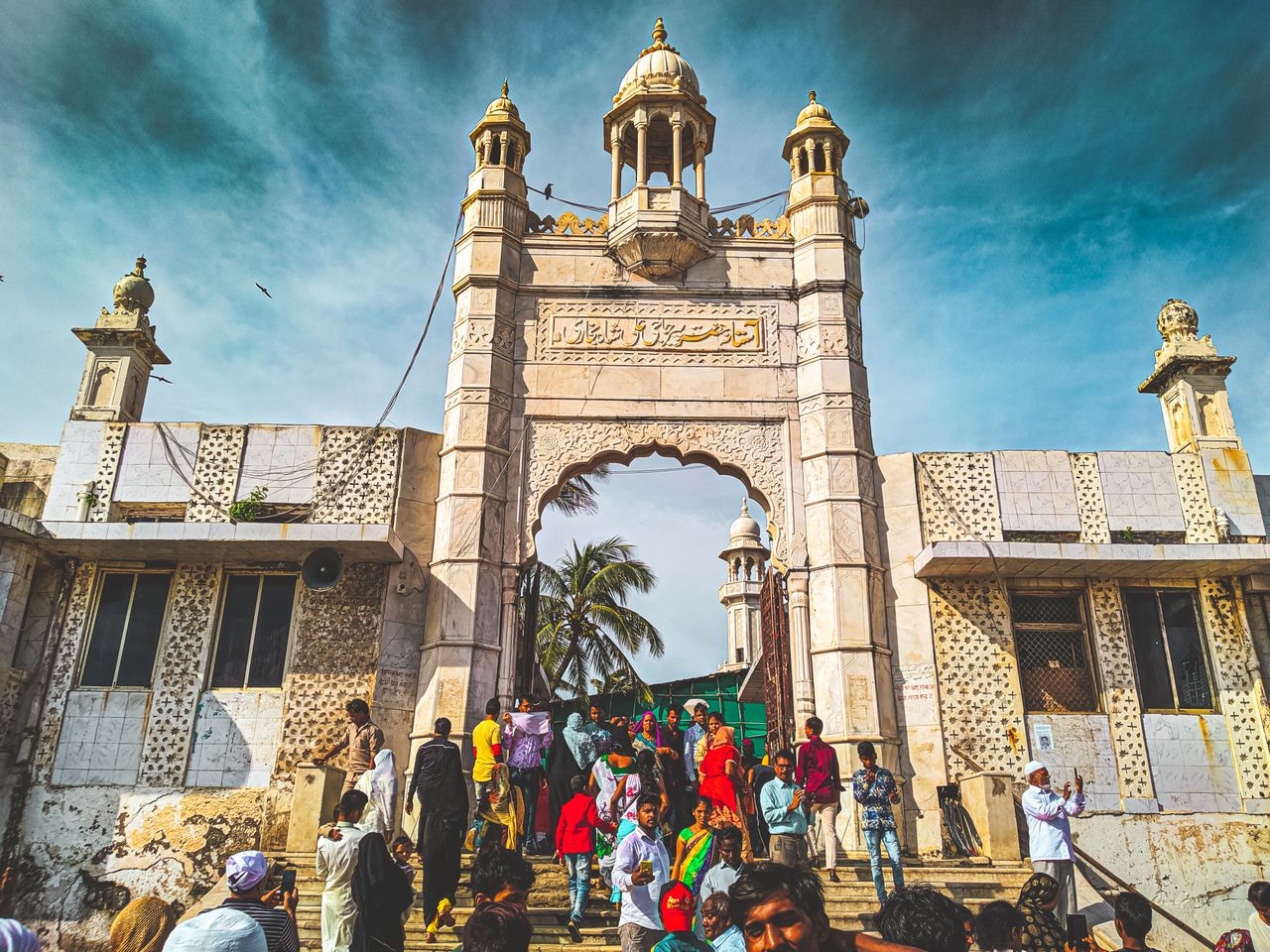
Ajmer Sharif Dargah is the reason most visitors come to Ajmer. It is the shrine of Khwaja Moinuddin Chishti, a revered Sufi saint who lived during the 12th and 13th centuries. He is popularly known as Khwaja Gharib Nawaz, meaning “benefactor of the poor.” Khwaja Moinuddin Chishti spent the later years of his life in Ajmer, where he preached a message of love, kindness, compassion, and equality. His teachings reached people across religious and social boundaries, and his shrine continues to attract millions of pilgrims and visitors from different faiths every year.
The dargah complex developed gradually over several centuries, which is why it features a fascinating mixture of architectural styles. As you enter, you will encounter important gateways including the Nizam Gate, Shah Jahan Gate, and Buland Darwaza. Beyond these gates is the main shrine, where the saint’s tomb lies beneath an elegant marble dome.
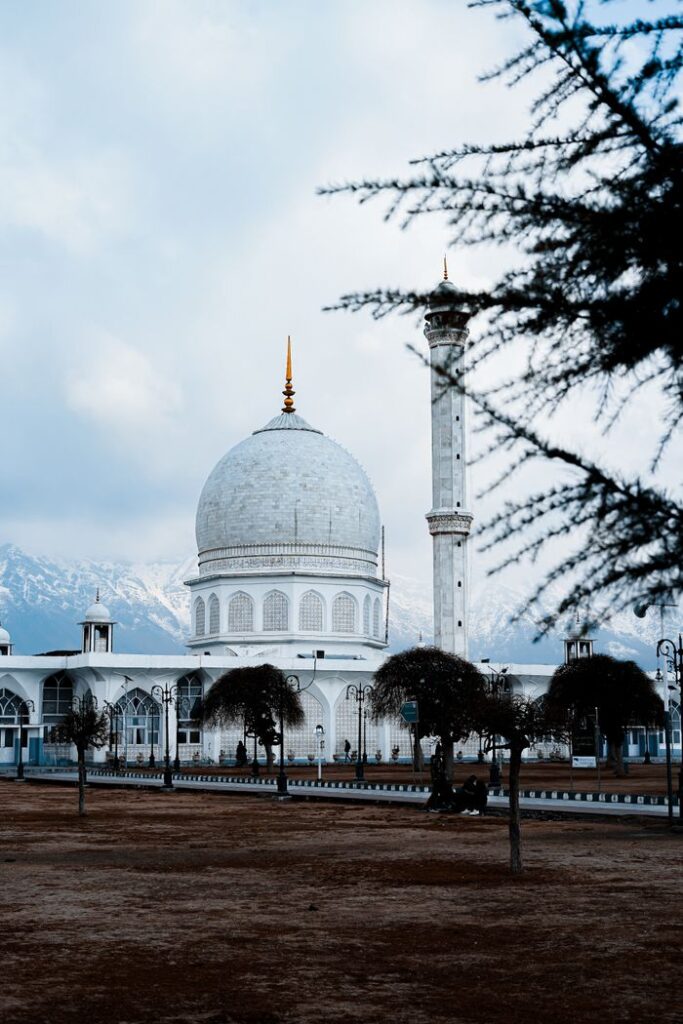
Visitors traditionally offer flowers and a chadar, a ceremonial cloth, at the tomb as a gesture of devotion and respect. The atmosphere inside the complex is deeply spiritual, with prayers, devotional music, and the constant movement of pilgrims creating a unique experience.
One of the most important events at the dargah is the annual URS, which commemorates the death anniversary of Khwaja Moinuddin Chishti. During the URS, Ajmer becomes especially busy as large numbers of pilgrims arrive to participate in prayers and religious ceremonies. Qawwali, a form of Sufi devotional music, is an important part of the celebrations. Another distinctive tradition at Ajmer Sharif is the preparation and distribution of food. Large cooking vessels known as degs are used to prepare food, which is then distributed among visitors and devotees. This tradition reflects the Sufi emphasis on charity, generosity, and feeding those in need.
For visitors, Ajmer Sharif is more than a historical monument. It is a living center of faith and Sufi culture, where centuries-old traditions continue to be practiced today.
Good to know: Visit early in the morning, preferably between 5:00 and 7:00 am, if you want to experience the shrine before the main crowds arrive.
Adhai Din Ka Jhonpra
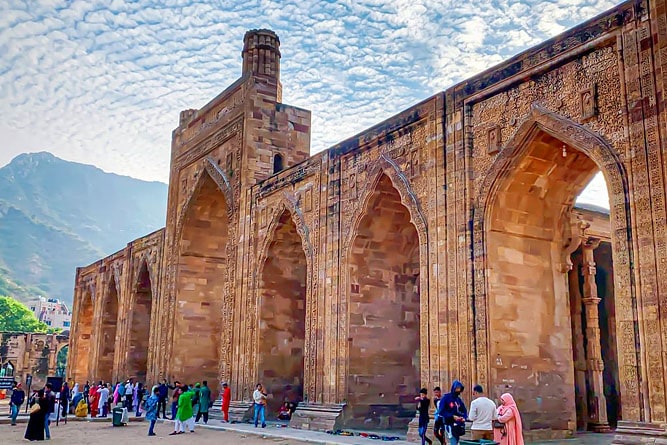
Adhai Din Ka Jhonpra is one of the oldest and most fascinating monuments in Ajmer. Located close to Ajmer Sharif Dargah, it is easy to include in the same visit. The monument is particularly known for its unusual name, remarkable stonework, and the way it brings together different architectural traditions.
The name “Adhai Din Ka Jhonpra” literally means “shed of two and a half days.” A popular local story claims that the structure was built or transformed in just two and a half days. Historians, however, do not generally accept this explanation as a literal account of its construction. The monument developed over a much longer period, but the memorable name has remained part of Ajmer’s identity. The site originally had connections with a Sanskrit learning centre. After Ajmer came under Muslim rule in the late 12th century, the existing structure was converted into a mosque and was subsequently expanded and modified.
What makes Adhai Din Ka Jhonpra particularly interesting is its stone architecture. The building contains numerous pillars, large arches, carved screens, and intricate decorative details. Many of the pillars and carvings display artistic features associated with earlier Indian temple-building traditions, while the arches and overall mosque design reflect Islamic architectural influences.
This combination makes the monument an important example of the architectural changes that took place in medieval India. Instead of representing a single style, the building preserves traces of different traditions side by side. The detailed carvings on the stone pillars are especially worth looking at closely, as they reveal the skill of the craftsmen who worked on the structure. The monument also offers an insight into Ajmer’s changing political and cultural history. The transformation of the site reflects the transition from the Chauhan period to the establishment of Muslim rule in the region.
For visitors, Adhai Din Ka Jhonpra is more than an old mosque. It is a place where history, architecture, archaeology, and cultural interaction come together. Its proximity to Ajmer Sharif Dargah also makes it one of the most convenient historical sites to explore while walking through the old part of the city.
Good to know: Take some time to look closely at the pillars and carved stonework. The architectural details are easy to miss if you only view the monument from a distance.
Ana Sagar Lake
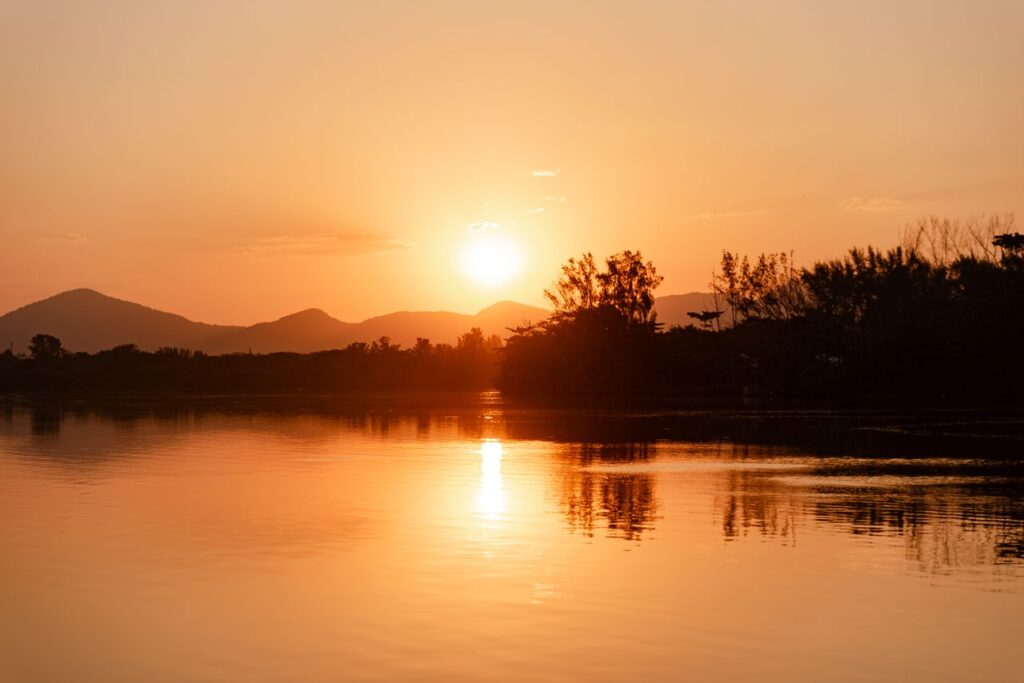
After exploring Ajmer’s dense historical monuments, Ana Sagar Lake offers a welcome change of pace. This large artificial lake dates back to the 12th century and was developed under Arnoraj Chauhan, also known as Anaji, a ruler of the Chauhan dynasty. The lake was created by constructing a dam across a local watercourse, helping to provide a valuable water source for the region. Over time, Ana Sagar became an important part of Ajmer’s landscape and remains one of the city’s most recognizable landmarks. The lake is surrounded by the Aravalli hills, giving it a scenic backdrop that feels quite different from the busy streets of the old city. The wide expanse of water, surrounding hills, and open sky create one of the most peaceful views in Ajmer.
The Mughal rulers later added their own touch to the area by developing gardens and elegant white marble pavilions known as Baradaris along the lake. A baradari traditionally refers to a pavilion with twelve openings, designed to allow air to circulate freely. These marble structures are a beautiful example of Mughal-era architecture and add a strong historical character to the lakeside.
The contrast between the white marble pavilions, blue water, and green-brown Aravalli hills makes Ana Sagar one of the best photography spots in Ajmer. The scenery is particularly attractive when the sunlight is soft and the colors of the sky are reflected on the water. Ana Sagar is also a good place to slow down after visiting Ajmer’s busier attractions. The lakeside area provides an opportunity to walk, enjoy the scenery, take photographs, or simply sit and watch the changing colors of the water.
Good to know:
- Best time to visit: Sunrise or sunset, when the light is softer and the lake is especially scenic.
- For walking: The lakeside is a pleasant place for a relaxed stroll.
- For photography: The marble Baradaris, Aravalli hills, and reflections on the water make excellent subjects.
- For a break: It is a peaceful stop after the crowds and activity around Ajmer Sharif Dargah.
Akbari Fort
Akbari Fort, also known as the Magazine, is an important reminder of Ajmer’s Mughal history. The fort was built during the reign of Emperor Akbar, when Ajmer had become an important strategic and administrative centre in Rajasthan. The fort’s appearance is quite different from the decorative religious buildings found elsewhere in the city. Its thick stone walls, strong construction, and defensive design reflect its military purpose. Rather than elaborate decoration, the architecture focuses on strength and protection, giving the building a distinctly different character.
Akbari Fort played an important role in Ajmer’s history because of the city’s strategic location. During the Mughal period, Ajmer served as an important base for Mughal activities in Rajasthan. The fort therefore formed part of the wider system of political and military control maintained by the Mughal Empire in the region. The fort is also connected with an interesting chapter in the history of India’s relationship with Europe. In the early 17th century, Sir Thomas Roe, an ambassador representing King James I of England, met Emperor Jahangir at Ajmer. Roe had been sent to the Mughal court to establish diplomatic and commercial relations on behalf of the English crown.
This meeting is historically significant because it took place during the early stages of sustained contact between the Mughal Empire and England. It connects Akbari Fort and Ajmer with a much larger story of diplomacy, trade, and European involvement in the Indian subcontinent. The fort’s architecture also helps visitors understand the practical requirements of medieval military structures. Its strong walls and defensive layout were designed to protect the people and activities within the complex rather than simply create a decorative monument.
For visitors, Akbari Fort is an excellent place to explore Mughal history, military architecture, and Ajmer’s role in the political history of Rajasthan.
Who should visit: History students, architecture enthusiasts, and anyone interested in Mughal-era military history and the political history of Ajmer.
Soniji Ki Nasiyan
Soniji Ki Nasiyan, also known as the Nasiyan Jain Temple, is one of the most visually distinctive places in Ajmer. Built in the late 19th century, the temple is dedicated to Rishabhdev, regarded as the first Tirthankara in Jain tradition.
From the outside, the temple is impressive, but its real highlight is the richly decorated interior. The most famous part is Swarna Nagari, meaning “Golden City.” This remarkable hall contains extensive gold-toned decorative work along with detailed miniature models and figures depicting elements of Jain cosmology. The craftsmanship is what makes the hall worth taking your time over. Small figures, scenes, decorative details, and carefully arranged models fill the interior, creating a highly detailed visual experience. Rather than being something to simply walk through quickly, Swarna Nagari rewards visitors who stop and examine the individual scenes and the work that went into creating them.
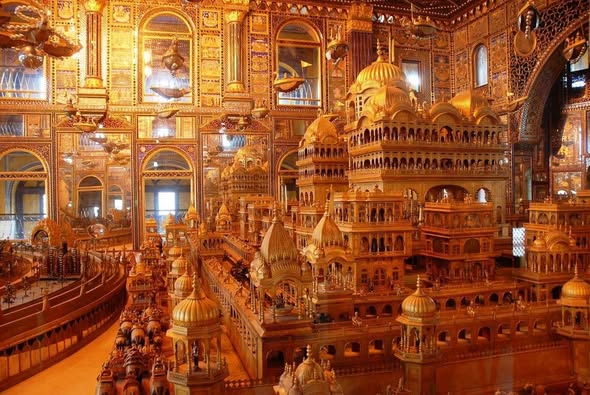
The artwork also has a deeper religious meaning. Jainism places strong emphasis on non-violence, truth, self-discipline, and spiritual liberation. The models and decorations inside the temple help represent aspects of Jain religious beliefs and cosmology.
You do not need to be familiar with Jain philosophy to appreciate the temple. Even from an artistic perspective, the intricate craftsmanship, elaborate decoration, and unusual presentation make it one of Ajmer’s most memorable sights. However, knowing a little about Jain traditions can make the visit more meaningful because you begin to understand what the figures and scenes represent. Soniji Ki Nasiyan also adds another dimension to Ajmer’s cultural identity. While the city is widely known for the Sufi traditions of Ajmer Sharif and the medieval architecture of its other monuments, this temple highlights the Jain community’s contribution to the city’s religious and artistic heritage.
Good to know: Take your time inside the Swarna Nagari hall. The smaller figures and decorative details are easy to miss if you move through the room too quickly.
Prithviraj Smarak
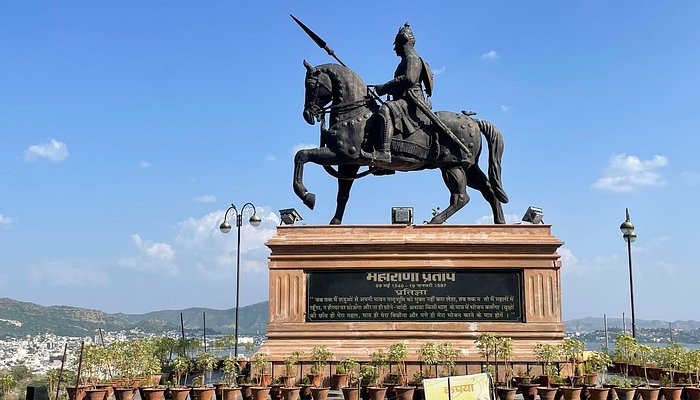
Prithviraj Smarak is a memorial dedicated to Prithviraj Chauhan III, one of the most famous Chauhan rulers associated with Ajmer and Delhi. He is best known for his battles with Muhammad Ghori in the late 12th century. Prithviraj won the First Battle of Tarain but was defeated in the second, an event that significantly changed the political history of northern India. The main attraction is a large statue of Prithviraj Chauhan seated on a horse, symbolising his courage and warrior identity. The memorial stands on a hilltop and offers views of the surrounding landscape. It is a good place to combine history, Rajput heritage, and photography.
Good to know: Late afternoon is a good time to visit for pleasant light and scenic views.
Best Time to Visit Ajmer
The best time to visit Ajmer is from October to March, when the weather is generally pleasant and comfortable for sightseeing. Daytime temperatures usually remain around 15°C to 28°C, making it easier to explore the city’s historical and religious attractions.
Winter (October to March) is the most popular season. The weather is comfortable, but this is also the busiest period for tourists. Festivals and religious events can make the city particularly lively.
Summer (April to June) can be extremely hot, with temperatures often rising above 40°C. Sightseeing during the middle of the day can be uncomfortable, so summer is generally best avoided if you plan to explore the city extensively.
Monsoon (July to September) brings some rain and slightly greener surroundings. The weather can be unpredictable, with occasional heavy showers, but the season can still be suitable for travellers who don’t mind the rain.
If you are visiting specifically for the Urs at Ajmer Sharif, check the dates for that particular year before planning your trip, as the Urs follows the Islamic lunar calendar and its dates change each year.
How to Reach Ajmer
By Air: The nearest airport is Kishangarh Airport, located about 30 km from Ajmer. Jaipur International Airport is another major option and has a wider range of flights.
By Train: Ajmer is well connected by rail to major cities across India. Ajmer Junction is the city’s main railway station and is one of the easiest ways to reach the city.
By Road: Ajmer has good road connections with Jaipur, Delhi, Jodhpur, Udaipur, and other cities in Rajasthan. Buses, taxis, and private cars are available for reaching Ajmer.
For most travellers, train is one of the most convenient options, while road travel works well if Ajmer is part of a wider Rajasthan trip.
If you are short on time, many travellers combine Ajmer with a Pushkar day trip from Jaipur. You can read our detailed Jaipur to Ajmer and Pushkar day trip guide for a ready-made plan. For the full picture on when to travel across the state, our Rajasthan best time to visit guide breaks down every season city by city. Ajmer also fits naturally into a longer loop through the state’s most iconic stops. Our Golden Triangle to Rajasthan route guide shows how to string it together with Jaipur, Udaipur, and beyond.
If you would rather skip the planning altogether, you can browse our curated Rajasthan tour packages and let LazyYatra handle the logistics.

Rajasthan Family Package For 6 Nights
Embark on an unforgettable 7-day Rajasthan tour package that takes you through the royal cities of Jaipur, Jaisalmer, and Udaipur.…
6 Nights
Rajasthan Package For 5 Nights With Jaipur Jodhpur & Udaipur
Embark on a captivating 6-day Rajasthan tour package and explore the vibrant colors of this majestic land. From the pink…
5 Nights
Jaisalmer Couple Package With Camp Stay & Camel Safari
Experience the magic of Jaisalmer with this delightful 3-day, 2-night tour package. Discover the golden sands of the Thar Desert,…
2 Nights
Rajasthan Safari Tour Package for Ranthambore and Jaipur
Embark on an exciting 4-day tour package to Rajasthan! This Jaipur Ranthambore holiday takes you to the enchanting city of…
3 Nights
Rajasthan 4 Nights Plan with Jaipur & Udaipur
Experience the charm of Rajasthan with this exciting 5-day tour package. Enjoy the majestic beauty of Jaipur and the romantic…
4 Nights
Rajasthan Tours for 8 Nights Jp2RnUd2Js2Jd
Join this exciting Rajasthan tour package for an unforgettable 9-day vacation! Explore the golden sands of Jaisalmer, the blue streets…
8 Nights
7 Nights Rajasthan Package With Jaipur Jodhpur Udaipur Jaisalmer
Embark on an unforgettable 8-day Rajasthan tour package and immerse yourself in the royal culture of Jaipur, Udaipur, Jaisalmer, and…
7 Nights
Rajasthan Tour Package - J2BJs2JdUd2PJ
Embark on an unforgettable 11-day Rajasthan tour package that takes you through the magnificent landscapes and rich culture of Rajasthan.…
10 Nights
Rajasthan Tour Package 9 Nights - J2RUd2Js2JdJp
Embark on a breathtaking 10-day Rajasthan tour package that takes you through the heart of Royal India. Discover the golden…
9 Nights
Golden Triangle - 5N - D2AJ2
Join us on an exciting 6-day tour package through the magical Golden Triangle. Discover the vibrant streets of Delhi, marvel…
5 Nights
Golden Triangle 6N - J2AD3
Embark on an unforgettable Golden Triangle tour package that takes you through the vibrant cities of Delhi, Jaipur, and Agra…
6 NightsGolden Triangle Tour Package With Delhi Agra Only
Join this amazing Golden Triangle Tour Package for 3 days and 2 nights of unforgettable experiences in Delhi and Agra!…
2 NightsDiscover Incredible Destinations
Handpicked locations offering unforgettable experiences for every type of traveler
Andaman
Paradise of pristine beaches

Rajasthan
Land of kings and culture

Kashmir
Heaven on Earth

Ladakh
Land of high passes

Kerala
God's own country

Meghalaya
Abode of the clouds

Dubai
City of gold and luxury
Thailand
Land of smiles

Maldives
Tropical paradise islands
Singapore
Garden city of Asia

Bali
Island of the gods

Vietnam
Ancient charm meets modern