Cellular Jail in Port Blair is one place in the Andaman Islands where the story goes beyond beaches, turquoise waters and island adventures. It is a place that remembers people—the freedom fighters who endured years of imprisonment, isolation and hardship during British rule. Locally and historically, it is associated with the name Kala Pani, meaning “Black Water,” a term that came to represent the fear and suffering associated with transportation across the sea to a remote prison.
Port Blair is now officially known as Sri Vijaya Puram, but many travellers still search for the destination by its familiar old name. At Lazy Yatra, we use both names to help visitors find the information they need.
In this guide, we explore the history of Cellular Jail, its distinctive architecture, the prison cells and museum exhibits you can see inside, and how to plan your visit around the popular evening Light & Sound Show. Whether you are visiting the Andaman Islands for the first time or adding a historical stop to your Port Blair sightseeing itinerary, Cellular Jail offers a meaningful look at one of the most important chapters of India’s freedom struggle.
Cellular Jail Port Blair: A Short History
The history of Cellular Jail is closely connected to India’s struggle for independence. During British rule, the Andaman Islands became a place of exile for prisoners, including freedom fighters who challenged colonial authority. After the Revolt of 1857, the British expanded their use of the islands as a penal settlement. For prisoners sent across the sea, the distance from mainland India meant separation from their families, communities and familiar surroundings. This isolation became closely associated with the name Kala Pani, meaning “Black Water.”
The construction of Cellular Jail began in 1896 and was completed in 1906. According to Encyclopaedia Britannica, the British built the prison to confine political prisoners and restrict communication between them. Its remote location and strict prison system were intended to make resistance difficult.
Several prominent Indian freedom fighters were imprisoned here, including Vinayak Damodar Savarkar, Batukeshwar Dutt, Yogendra Shukla and Shiv Verma. Their stories form an important part of the memorial’s historical significance. The prison became a symbol of the sacrifices made by those who fought against British rule.
Life inside Cellular Jail was extremely difficult. Prisoners faced solitary confinement, demanding physical labour, strict discipline and inadequate living conditions. Poor food and harsh treatment contributed to protests and hunger strikes by political prisoners. These protests drew attention to their suffering and helped strengthen public pressure for improved treatment and the transfer of prisoners away from the islands. By 1939, the prison had ceased to function as a place of regular political imprisonment, although its history continued to shape public memory.
After India’s independence, Cellular Jail gradually became an important symbol of the freedom movement. On 11 February 1979, it was declared a National Memorial. Today, the preserved prison buildings, museum displays and historical exhibits help visitors understand the hardships endured by freedom fighters and the importance of their struggle.
For travellers visiting Port Blair, now officially known as Sri Vijaya Puram, Cellular Jail offers more than a historical sightseeing experience. It provides an opportunity to reflect on India’s past and remember the people who endured imprisonment and separation in the pursuit of freedom.
How Was Cellular Jail Designed?
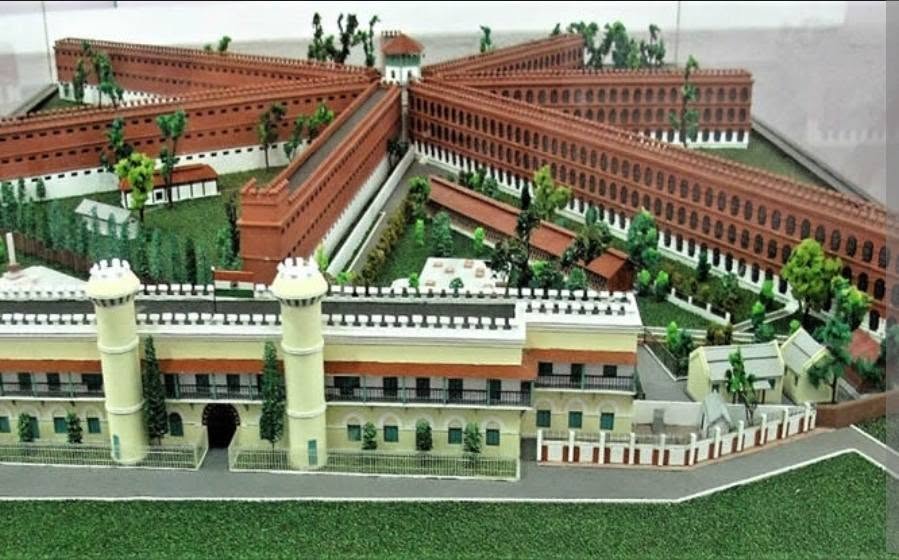
The architecture of Cellular Jail is one of its most distinctive features. The British designed the prison to isolate inmates from one another, making communication and collective resistance difficult. Unlike a conventional prison with large shared dormitories, Cellular Jail consisted of individual cells arranged across several wings. The original structure had seven wings extending outward from a central tower, creating a radial layout resembling the spokes of a wheel. Each wing had three storys, with rows of cells connected by long corridors. The central tower served as an important observation and supervision point, allowing guards to monitor the different sections of the prison.
The layout reflected the principles associated with the Panopticon concept of prison design, in which the arrangement of buildings was intended to improve surveillance and control. At Cellular Jail, the wings were positioned so that prisoners in one section could not easily communicate with those in another. The design prioritised isolation rather than interaction, reinforcing the strict conditions under which inmates lived. The word cellular refers to the individual cells used to confine prisoners separately. These rooms were small and sparsely equipped, offering little comfort to the people held inside. The arrangement meant that prisoners could spend long periods without direct contact with other inmates, adding to the psychological hardship of imprisonment.
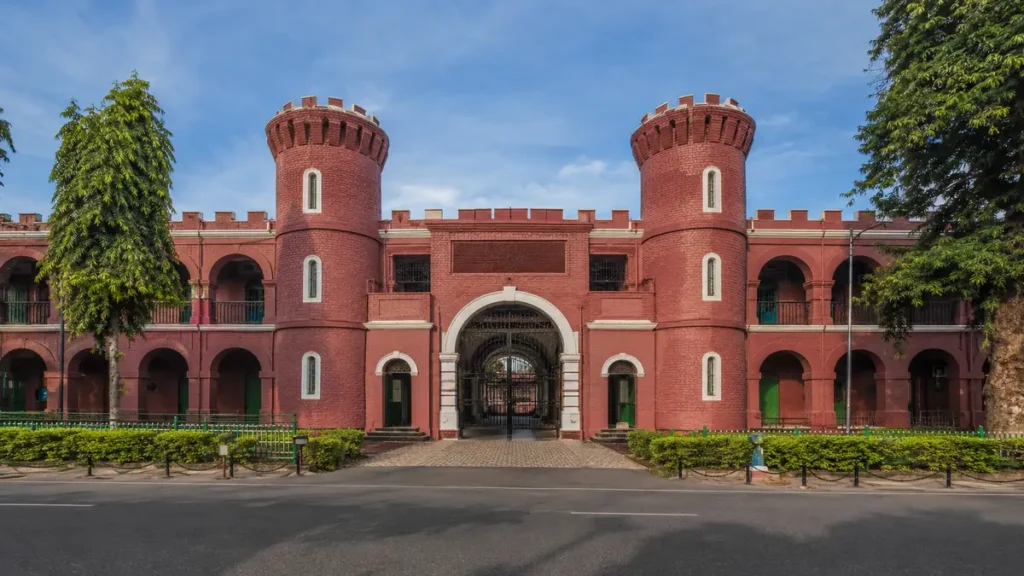
Today, only three of the original seven wings and the central tower remain. The surviving sections still reveal the scale and structure of the prison, allowing visitors to walk through the corridors and see the cells where political prisoners were held. The missing wings are a reminder that the memorial preserves only part of the original complex, but what remains provides a powerful insight into the colonial prison system.
Understanding the architecture and historical features
The central tower is one of the most recognisable features of Cellular Jail. The seven original wings extended from this central point, creating a layout designed to support supervision and separation. The remaining tower and wings help visitors understand how the prison operated. The individual cells are equally significant. Rather than providing shared living spaces, the prison kept inmates in separate rooms, limiting opportunities for conversation and collective organisation. This deliberate isolation is central to understanding the purpose behind the jail’s design.
The surviving structure also helps visitors appreciate the scale of the original prison. Walking along the corridors and looking into the cells makes the history feel more immediate than reading about it alone. The building itself becomes a reminder of the conditions faced by prisoners during the independence movement.
Quick facts about Cellular Jail
Cellular Jail was constructed between 1896 and 1906 and originally consisted of seven wings arranged around a central tower. The complex contained approximately 698 cells, according to UNESCO’s tentative World Heritage List entry. Three wings and the central tower survive today, and the site was declared a National Memorial on 11 February 1979.
The memorial is also widely known as Kala Pani, a name associated with the isolation and hardships experienced by prisoners transported to the Andaman Islands. Together, its architecture and history make Cellular Jail one of the most significant historical attractions in Port Blair.
Four of the original wings were lost over time, but the remaining structure continues to preserve an important chapter of India’s freedom struggle. For visitors, exploring Cellular Jail is an opportunity to understand not only how the prison was built, but also why it remains such a powerful symbol of sacrifice, resistance and independence.
What You Can See Inside Cellular Jail Port Blair
A visit to Cellular Jail Port Blair is much more than a walk through an old colonial building. Every corridor, cell and preserved section tells a story about the freedom fighters who were imprisoned here during British rule. As you explore the memorial, you get a closer look at the prison’s architecture, the conditions in which inmates lived and the sacrifices made during India’s struggle for independence.
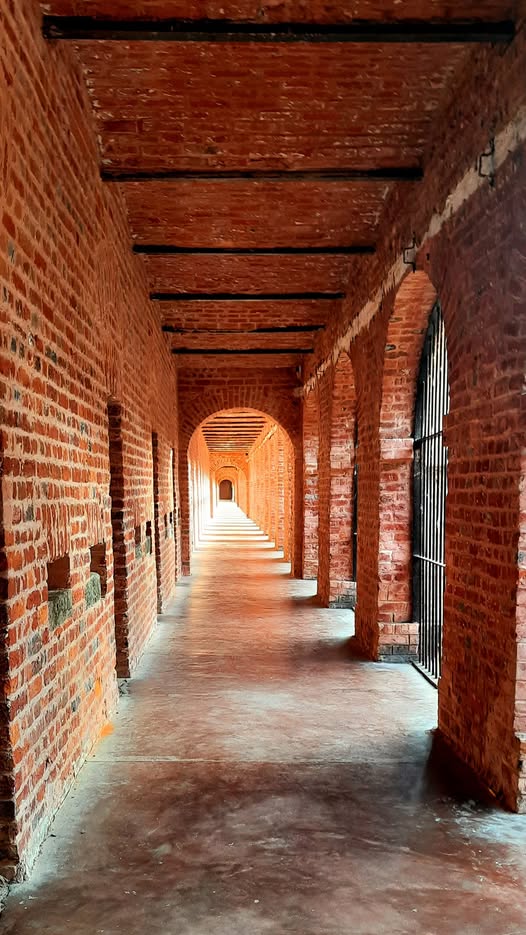
The Prison Cells: The small prison cells are among the most significant features of the memorial. Designed for solitary confinement, they kept prisoners separated and restricted communication. The narrow corridors, plain walls and heavy doors offer a glimpse into the difficult conditions in which freedom fighters lived.
The Central Tower: The central tower is the focal point of the jail’s original star-shaped design. Seven wings once extended outward from this point, allowing guards to monitor different sections of the prison. The surviving structure helps visitors understand how the jail was designed to maintain control and isolate inmates.
The Museum and Historical Galleries: The museum and galleries display historical photographs, documents and information about freedom fighters associated with Cellular Jail. The entrance block also features a photo gallery dedicated to freedom fighters, according to the Abhijna e-museum listing. These exhibits help visitors understand the jail’s role in India’s independence movement.
Historical Remains and Punishment Objects: The memorial preserves historical evidence of the harsh prison system, including fetters, shackles and remains associated with an execution room, as noted by UNESCO. These objects offer a sobering reminder of the treatment prisoners experienced during colonial rule.
Remembering the Freedom Fighters: Beyond its architecture, Cellular Jail is a place to remember the people who sacrificed their freedom while resisting British rule. Take time to read the information panels and explore the exhibits rather than rushing through the memorial. Their stories make Cellular Jail one of the most meaningful historical attractions in Port Blair.
Cellular Jail Light and Sound Show
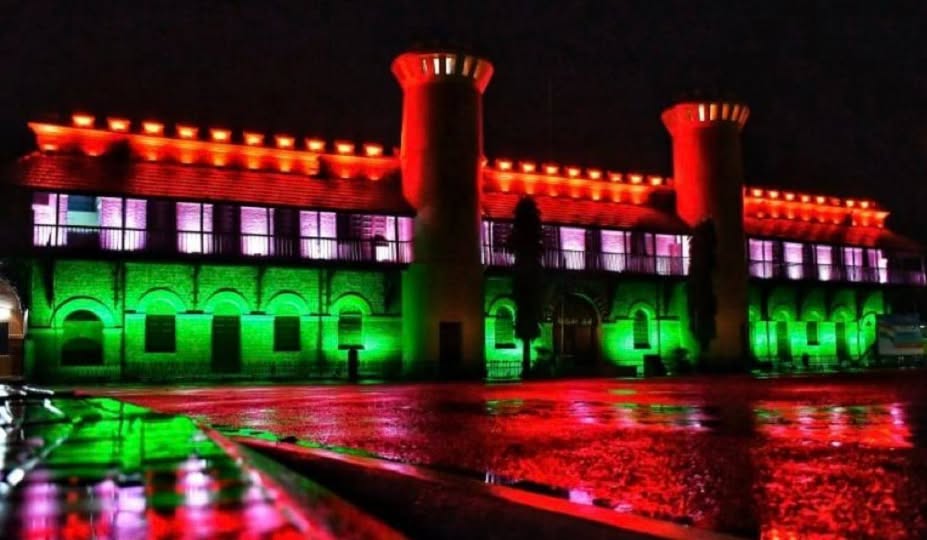
The Cellular Jail Light and Sound Show is one of the most memorable experiences in Port Blair. Through lighting, music and narration, the show brings the history of the jail and the sacrifices of India’s freedom fighters to life. As darkness falls, the illuminated prison walls become part of the presentation, creating a moving atmosphere that helps visitors connect with the stories of the past.
Show Timings and Languages
Show timings can change depending on the season, visitor demand and administrative updates. At the time of writing, the Incredible India official tourism listing lists a Hindi show at 5:50 PM and an English show at 6:50 PM on selected days.
In November 2025, an additional Hindi show at 8:50 PM was introduced to manage high visitor demand, according to Nicobar Times. Authorities have also considered changes to the existing schedule, so these timings should be treated as indicative rather than guaranteed.
Tickets and Booking Tips
You can check ticket availability and book through the Andaman Tourism e-tourist portal. Booking in advance is recommended, particularly during busy tourist seasons, when seats may fill quickly.
Before visiting, confirm the latest show timings, language options and entry requirements. If possible, explore Cellular Jail during the day and return for the evening show to experience both its historical architecture and the story of its freedom fighters.
Best time to visit and how long to stay
Visit Cellular Jail Port Blair in the daytime if you want to explore at your own pace. Light is good, the cells are easy to see, and you can read the displays without rushing.
For the full experience, split your day:
- Day: Explore the cells, tower and museum.
- Evening: Return for the light and sound show.
Plan about 1.5 to 2 hours for the daytime visit. Add more time for entry, seating and the show.
Opening hours vary between sources. Many listings show a morning slot and an afternoon slot with a lunch break. Some say the museum is shut on Mondays and government holidays. Confirm timings with the official tourism website before you travel.
Tips before you go
Cellular Jail Port Blair is a memorial, so treat it with respect. A few simple things help:
- Follow the marked routes and staff instructions.
- Food and eatables are restricted inside under official visitor guidelines.
- Wear comfortable shoes. You will walk and climb stairs.
- Reach the show venue early. Some visitor guides suggest 15 to 30 minutes before start time.
- Carry a light rain layer. Island weather can change fast.
- Ask at the gate about camera rules, as fees and limits differ by type of camera.
- Consider hiring a guide if you want deeper context.
Pair it with the rest of Port Blair
Cellular Jail Port Blair fits easily into a full day in the city. Beaches such as Corbyn’s Cove show the island’s beauty. This memorial explains its past. Together, they give a trip real depth.
Nearby, you can also visit Marina Park and Netaji Subhas Chandra Bose Island. For a look at island cultures, read our note on the Anthropological Museum in Port Blair. For the full city plan, see our guide to places to visit in Port Blair.
Heading to the next island? Our Havelock Island sightseeing guide is a good next read. If ferries confuse you, check private cruise vs government ferry in the Andamans.
Want help putting it all together? You can browse our Andaman itineraries and let us plan the ferries, stays and timings for you.
For first-time visitors, the best plan is simple. See the jail by day. Return for the show at night. You will leave knowing the Andamans as more than a beach destination.


Andaman Family Tour Package for 5 Nights
Embark on an unforgettable Andaman tour package with this thrilling 6-day holiday in the breathtaking Andaman and Nicobar Islands. Enjoy…
5 Nights
Andaman Nicobar Tour Package With Port Blair and Havelock
Explore the stunning beauty of the Andaman and Nicobar Islands with our exciting 5-day tour package. Enjoy pristine beaches, lush…
4 Nights
Andaman And Nicobar Tour Packages With Port Blair and Havelock
Embark on a stunning Andaman tour package that takes you to the breathtaking Andaman and Nicobar Islands for 4 days…
3 Nights
Andaman Honeymoon Tour Package for 6 Nights
Escape to Andaman and Nicobar with this thrilling 7-day tour package. Experience the beauty of Havelock Island's stunning beaches, discover…
6 Nights
Andaman Tours 7 Nights P2H3NPRNB'
Discover the stunning beauty of the Andaman and Nicobar Islands with this exciting 8-day tour package. Enjoy crystal-clear waters, pristine…
7 Nights
Andaman Tours 8 Nights P3H2NDG2
Join us for an unforgettable 9-day Andaman tour package that takes you to the stunning Andaman and Nicobar Islands. Experience…
8 Nights
Andaman Tours 9 Nights P4H2ND2JB
Embark on a thrilling Andaman tour package with this amazing 10-day holiday! Experience the beauty of Port Blair, relax on…
9 Nights
Andaman Tour 10 Nights P2H2N2P2D2
4 Nights Port Blair, 2 Nights Havelock, 2 Nights Neil, 2 Diglipur Island, Ross & North Bay Island, Ross &…
10 Nights
Rajasthan Family Package For 6 Nights
Embark on an unforgettable 7-day Rajasthan tour package that takes you through the royal cities of Jaipur, Jaisalmer, and Udaipur.…
6 Nights
Kashmir - Summer Package 4 Nights
Experience the breathtaking beauty of Kashmir and Jammu with our exciting 5-day summer tour package. Wander through stunning valleys, enjoy…
4 Nights
Rajasthan Package For 5 Nights With Jaipur Jodhpur & Udaipur
Embark on a captivating 6-day Rajasthan tour package and explore the vibrant colors of this majestic land. From the pink…
5 Nights
Leh Ladakh Tour Package for 5 Nights
Embark on an unforgettable Ladakh tour package with this exciting 6-day adventure! Experience the breathtaking landscapes of Ladakh, from serene…
5 NightsDiscover Incredible Destinations
Handpicked locations offering unforgettable experiences for every type of traveler

Andaman
Paradise of pristine beaches

Rajasthan
Land of kings and culture

Kashmir
Heaven on Earth

Ladakh
Land of high passes

Kerala
God's own country

Meghalaya
Abode of the clouds

Dubai
City of gold and luxury

Thailand
Land of smiles

Maldives
Tropical paradise islands
Singapore
Garden city of Asia

Bali
Island of the gods

Vietnam
Ancient charm meets modern