Old Goa is the quieter, historic side of Goa, located around 10–12 km from Panaji. Once the capital of Portuguese India, it flourished as an important centre of trade, religion and culture during the 16th and 17th centuries.
Today, Old Goa is known for its magnificent churches, ancient ruins, historic monuments and small museums that preserve its rich heritage. This guide covers the best places for Old Goa sightseeing in a convenient order, with detailed descriptions, practical visiting tips and a suggested one-day itinerary to help you explore the area comfortably.
Old Goa Sightseeing at a Glance
Old Goa is one of the best places to explore Goa’s Portuguese-era history, religious architecture and cultural heritage. Most of the main sightseeing attractions are located close to one another, making it easy to explore the historic area in around 4–6 hours.
- Why visit: Discover centuries-old churches, historic ruins, religious art and museums.
- Best for: History enthusiasts, architecture lovers, photographers and travellers seeking a peaceful cultural experience away from Goa’s beaches.
- Time required: Half a day for the major attractions or a full day for museums and a more relaxed heritage walk.
- Entry fees: Many churches are free to enter, while museums may charge an admission fee.
- Visiting hours: Opening times vary by attraction and religious services. Check the latest timings before your visit; many sites can be explored during daytime hours.
Old Goa is home to the UNESCO World Heritage-listed Churches and Convents of Goa, inscribed in 1986. The designation recognises seven monuments for their historical and architectural significance. Once the capital of Portuguese India, Old Goa lost its capital status in 1843 when the administrative centre shifted to Panaji.
The Big Four Churches for Old Goa Sightseeing
These four historic churches are the best starting point for exploring Old Goa. Each offers a distinctive architectural style and a glimpse into the region’s rich past.
1. Basilica of Bom Jesus
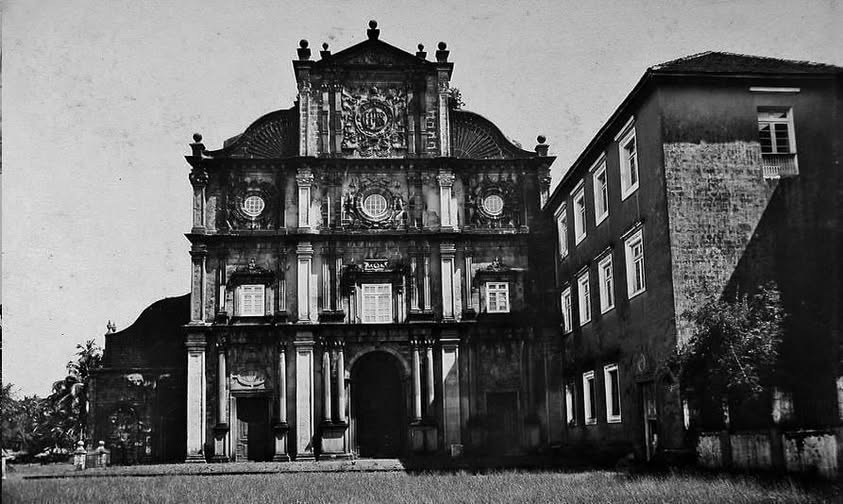
The Basilica of Bom Jesus is the most famous landmark in Old Goa and one of India’s most important Christian pilgrimage destinations. Built between 1594 and 1605, the church is dedicated to the Infant Jesus and is renowned for preserving the mortal remains of St. Francis Xavier, the Jesuit missionary who travelled extensively across Asia. It was granted basilica status in 1946. The church stands out for its dark laterite-stone facade, which contrasts with the whitewashed exteriors of many other churches in Goa. Its historic architecture reflects the influence of the Baroque style, while the interior features an ornate main altar, decorative carvings and religious artwork. Visitors can also see the silver casket associated with St. Francis Xavier. Beyond its architectural beauty, the basilica offers an opportunity to learn about Goa’s religious and colonial history. Its historical importance, artistic details and spiritual atmosphere make it an essential stop on any Old Goa sightseeing tour.
Time needed: 30–45 minutes.
2. Sé Cathedral
Sé Cathedral is one of the largest and most impressive historic churches in Goa. Dedicated to St. Catherine of Alexandria, it commemorates the Portuguese victory in Goa in 1510, which occurred on her feast day. Construction began in 1562, and the main structure was completed in 1619. The cathedral is known for its grand white facade, enormous central nave, massive pillars and spacious interior. Its architectural design combines Tuscan features on the exterior with more elaborate Corinthian elements inside. The richly decorated main altar and historic chapels add to its beauty. One of its most famous features is the Golden Bell, celebrated for its powerful tone. The cathedral originally had two towers, but one collapsed in 1776 and was never rebuilt, giving the building its distinctive appearance. A visit to Sé Cathedral allows travelers to appreciate the scale of Portuguese-era religious architecture and understand the historical importance of Old Goa as a major colonial centre.
Time needed: 30–40 minutes.
3. Church of St. Francis of Assisi
The Church of St. Francis of Assisi is another important landmark in Old Goa’s historic church complex. Originally established in the early 16th century and later rebuilt, it combines architectural influences associated with the Manueline, Gothic and Baroque styles. The exterior has a relatively restrained appearance, while the interior is known for its decorative paintings, carved wooden details, gilded altars and historic tombstones. Some tombstones feature coats of arms and inscriptions that provide clues about the people associated with the church during the Portuguese period. The church is particularly interesting for visitors who appreciate religious art and historical craftsmanship. Its architectural details reveal how European styles developed and were adapted in Goa over several centuries. The former convent associated with the church houses the Archaeological Museum of Goa, making it convenient to combine architectural sightseeing with a museum visit. Together, these attractions provide a deeper understanding of Old Goa’s cultural, political and religious history.
Time needed: 25–35 minutes for the church, plus additional time for the museum.
4. Church of St. Cajetan
The Church of St. Cajetan, also known as the Church of Divine Providence, is one of the most visually striking churches in Old Goa. Completed around 1661, it is traditionally associated with an architectural design inspired by St. Peter’s Basilica in Rome. The church is distinguished by its impressive facade, tall Corinthian columns, symmetrical layout and prominent dome. These features give it a classical European appearance that sets it apart from several other historic churches in the area. Inside, visitors can admire the spacious interior, decorative altars and religious artwork. The main altar is dedicated to Our Lady of Divine Providence, and the overall design creates a sense of balance and grandeur. St. Cajetan is often a quieter stop than the Basilica of Bom Jesus, making it an excellent place to appreciate the architectural details at a relaxed pace. Its combination of historical significance and classical design makes it a rewarding addition to an Old Goa heritage tour.
Time needed: 20–30 minutes.
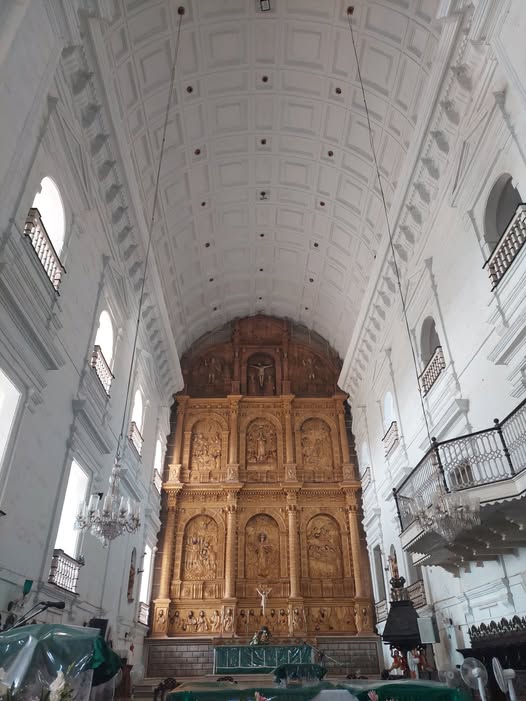
Quieter and Older Stops for Old Goa Sightseeing
After exploring Old Goa’s grand churches, take some time to discover its quieter historic sites. These smaller churches, convents and ruins offer a closer look at the area’s early religious architecture, educational institutions and colonial-era history. They are ideal for travellers who want to go beyond the main attractions and explore Old Goa at a slower pace.
Church of Our Lady of the Rosary: It is Located on Holy Hill, the Church of Our Lady of the Rosary is one of the oldest surviving churches in Old Goa. Built in the 16th century, it is traditionally dated to around 1543 and represents an early phase of Portuguese religious architecture in the region. Unlike the grand churches with elaborate Baroque decorations, this church has a comparatively simple design. Its understated exterior and historic setting create a peaceful atmosphere, while its architectural features offer a glimpse into the early development of Christianity in Portuguese Goa. The church is also historically associated with the period following the Portuguese capture of Goa in 1510. Its location on Holy Hill makes it an interesting stop for visitors exploring the wider heritage landscape.
Time needed: 15–25 minutes.
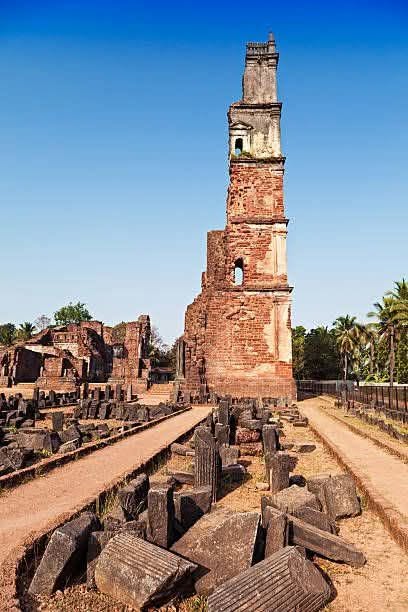
Ruins of St. Augustine: The Ruins of St. Augustine are among the most striking historic remains in Old Goa. The Augustinian religious complex was established in the late 16th century, and its church was completed in the early 17th century. After the complex was abandoned, much of the structure deteriorated and collapsed. Today, the towering remains of the bell tower and sections of the laterite-stone walls are the main attractions. These remnants provide an impression of the size and grandeur of the original church, making the site particularly interesting for history enthusiasts and photographers. The ruins are also significant for archaeological research. Human remains discovered at the site have been associated with Queen Ketevan of Georgia, although the identification has been the subject of historical and scholarly discussion. A visit here offers a different experience from exploring preserved churches. The damaged walls and surviving tower reveal how time and changing circumstances have shaped Old Goa’s architectural heritage.
Time needed: 20–30 minutes.
Chapel of St. Catherine: The Chapel of St. Catherine is a small but historically important religious monument associated with the Portuguese conquest of Goa in 1510. The conquest took place on the feast day of St. Catherine of Alexandria, and the chapel commemorates this historical connection. Its modest architecture contrasts with the larger cathedrals nearby. Rather than elaborate decoration, the chapel’s significance lies in its historical associations and its place in the early development of religious buildings in Old Goa. For visitors interested in understanding the region’s past, this stop adds context to the broader story of Portuguese rule and the transformation of the former capital.
Time needed: 10–15 minutes, depending on access.
Church and College of St. Paul: The Church and College of St. Paul represent the educational and missionary history of Portuguese Goa. The complex was associated with the Jesuits and played an important role in religious learning and missionary activities during the early colonial period. Much of the original complex has disappeared, but surviving architectural remains, including the historic facade, provide a glimpse of its former importance. The site highlights how education, religious institutions and missionary work were closely connected in Old Goa. Although it is not as elaborate as the main churches, it is worth considering if you are interested in the wider historical development of the city. It also provides an opportunity to appreciate the surviving architectural elements of a once-important institution.
Time needed: 10–15 minutes, subject to access.
Convent of Santa Monica: The Convent of Santa Monica is a substantial historic religious complex associated with an enclosed community of nuns. Its imposing walls, large internal spaces and fortress-like exterior distinguish it from the more decorative churches in Old Goa. The complex reflects the organization of religious life during the Portuguese period, when convents served as places of prayer, communal living and religious study. Its architecture provides insight into how these institutions were designed to support a secluded religious community. The convent is also historically associated with the Museum of Christian Art, which preserves religious objects and examples of craftsmanship connected with Goa’s Christian heritage. However, access to individual sections may be restricted, so check current visitor arrangements before planning your visit.
Time needed: 15–25 minutes, depending on access.
Chapel of Our Lady of the Mount: It is situated on elevated ground overlooking the surrounding landscape, the Chapel of Our Lady of the Mount is a worthwhile addition to a longer Old Goa sightseeing trip. Its hilltop location offers a quieter atmosphere and scenic views that contrast with the busy heritage complex below. The chapel is valued for its historical character and relatively peaceful surroundings. Visitors can enjoy the architecture, take photographs and appreciate a different perspective on the landscape around Old Goa. Because it is away from some of the main monuments, allow extra time for travel rather than treating it as part of the same short walking circuit.
Time needed: 20–30 minutes, plus travel time.
Church of St. John of God: The Church of St. John of God is an additional heritage stop for travellers interested in Old Goa’s wider network of religious and charitable institutions. It forms part of the area’s broader historical story, which includes churches, convents and institutions associated with religious life and community care. Its significance is best considered in the context of the development of Portuguese-era Old Goa rather than as a major standalone tourist attraction. As access and visitor arrangements may vary, confirm locally whether the site can be visited during your trip.
Time needed: Around 10–20 minutes if accessible.
Which monuments are included in the UNESCO listing?
The UNESCO World Heritage listing for the Churches and Convents of Goa was inscribed in 1986. It recognises seven monuments for their outstanding historical and architectural value:
- Basilica of Bom Jesus
- Sé Cathedral
- Church of St. Francis of Assisi
- Church of St. Cajetan
- Church of Our Lady of the Rosary
- Ruins of St. Augustine, particularly the surviving tower
- Chapel of St. Catherine
Other historic sites in and around Old Goa are also worth exploring, but they should not automatically be described as part of the seven-monument UNESCO inscription.
For official background, consult the UNESCO World Heritage listing.
Travel tip: Visit the quieter sites after the main churches, and check opening arrangements in advance. Some are best treated as short heritage stops, while locations on elevated ground may require additional travel time.
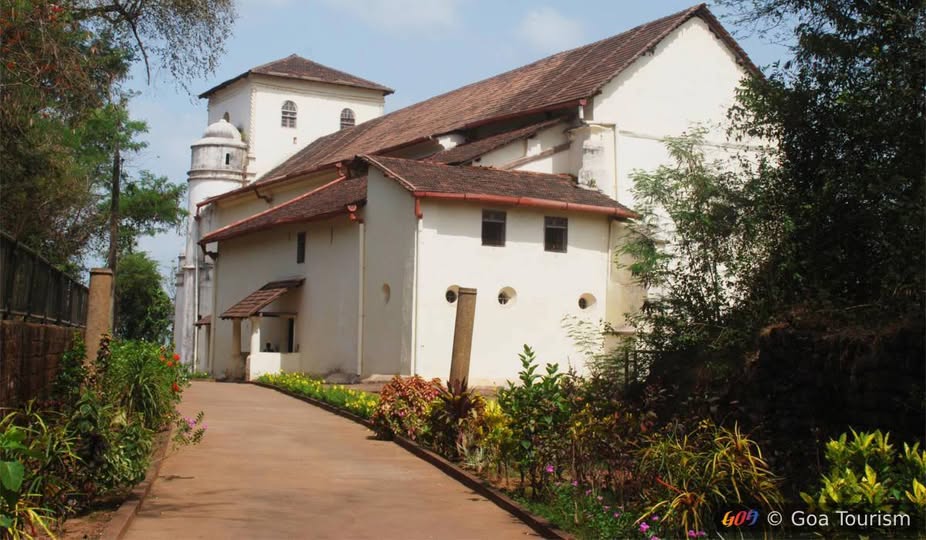
Museums for Old Goa Sightseeing
Old Goa’s museums add the story behind its historic churches, stone facades and ancient ruins. They preserve artefacts, religious artwork, portraits and archaeological discoveries that help visitors understand how Goa developed as an important centre of trade, culture and religion during the Portuguese period. If you enjoy history, art or architecture, visiting at least one museum is a worthwhile addition to your Old Goa sightseeing itinerary.
Archaeological Museum of Goa
Located in the former convent associated with the Church of St. Francis of Assisi, the Archaeological Museum of Goa is an excellent place to explore the region’s history beyond its churches. Its collection covers different periods of Goan history, including the early historic era, medieval developments and Portuguese rule. Inside, visitors can discover historical portraits, sculptures, inscriptions, coins, wooden artefacts, stone carvings and objects connected with Goa’s political and cultural past. The museum also displays portraits of Portuguese viceroys, historical maps and a bronze statue of Afonso de Albuquerque, an important figure in Portuguese expansion in India.
One of the museum’s strengths is its diverse collection. Artefacts associated with earlier local traditions sit alongside objects from the Portuguese period, offering a broader picture of Goa’s changing political and cultural landscape. It is particularly useful for understanding the history behind the monuments you have already explored. The museum also provides a comfortable indoor break during the afternoon heat, making it a practical addition to a walking tour of Old Goa.
Time needed: 30–45 minutes.
Timings and entry: Published information generally lists daytime opening hours, approximately 9 AM or 10 AM to 5 PM, with the museum closed on Fridays. The listed adult admission fee is around ₹10, but timings and charges should be confirmed before visiting. Check the Archaeological Museum information from Incredible India for visitor details.
Museum of Christian Art
Located within the Convent of Santa Monica on Holy Hill, the Museum of Christian Art is one of Old Goa’s most distinctive cultural attractions. It focuses on the religious art and craftsmanship that developed in Goa over several centuries, bringing together European artistic influences and local Indian techniques. The collection includes religious sculptures, paintings, altarpieces, vestments, silver objects, ceremonial vessels and other items associated with Christian worship. Many of these objects demonstrate how local artisans adapted European artistic styles to the materials, techniques and cultural traditions of Goa.
Look closely at the carved figures, decorative details and richly crafted religious objects. They reveal the skill of the artisans who contributed to the region’s churches and religious institutions. The collection also helps explain the artistic heritage behind the elaborate altars and religious decorations found throughout Old Goa. The museum is especially rewarding for visitors interested in art, history and architecture. Its location near the ruins of St. Augustine and the Convent of Santa Monica makes it convenient to combine with a visit to the quieter historic sites.
Time needed: 30–45 minutes.
Timings and entry: The museum’s official website lists opening hours of 10 AM to 5 PM daily, with the ticket counter closing at 4:30 PM. Published admission prices are ₹100 for adults and ₹50 for students with valid identification. Advance booking is advisable because visitor numbers per time slot are limited.
For the latest information, visit the Museum of Christian Art’s official visitor guide.
Tips for Visiting Old Goa’s Museums
- Plan around opening days: The Archaeological Museum is generally closed on Fridays, while the Museum of Christian Art lists daily opening hours. Confirm before setting out.
- Visit the museums between church stops: This creates a balanced itinerary with outdoor sightseeing and indoor exploration.
- Allow enough time: Set aside at least 30–45 minutes per museum, or longer if you enjoy examining historical objects in detail.
- Check ticket information: Admission fees, booking requirements and visitor arrangements can change.
- Combine nearby attractions: The Archaeological Museum pairs naturally with the Church of St. Francis of Assisi, while the Museum of Christian Art is convenient for visitors exploring the Convent of Santa Monica and St. Augustine ruins.
Both museums offer a valuable perspective on Old Goa’s past. The Archaeological Museum provides a broader historical overview, while the Museum of Christian Art focuses on the region’s religious art and Indo-Portuguese craftsmanship. Visiting either one helps transform a sightseeing trip into a more complete cultural experience.
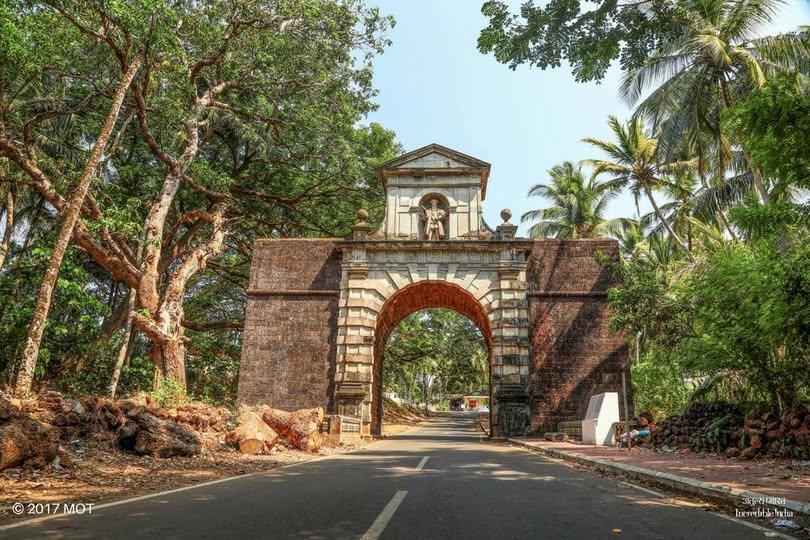
Viceroy’s Arch and the Old Goa Heritage Walk
The Viceroy’s Arch is an important historical landmark near the Mandovi River. Built in the late 16th century, it is traditionally associated with Viceroy Francisco da Gama, a descendant of the Portuguese explorer Vasco da Gama. The arch served as a ceremonial gateway to the former Portuguese capital and reflects Old Goa’s importance as a centre of colonial administration and trade.
Although the monument is relatively small compared with the city’s grand churches, its historical significance makes it a worthwhile stop. Its stone construction and decorative details offer a glimpse into the architecture of the period. Standing near the arch, visitors can imagine how officials, merchants and other travellers arrived in the city by river before entering its busy streets.
Time needed: 10–15 minutes.
A heritage walk is one of the best ways to experience Old Goa. As you move between the main attractions, notice how the architecture changes from the dark stone facade of the Basilica of Bom Jesus to the white exterior of Sé Cathedral and the classical columns of St. Cajetan Church. The open grounds, old walls and historic pathways also help convey the scale of the former capital. Walking between nearby monuments allows you to appreciate details that can easily be missed when travelling by car. Keep some time for photographs and short breaks, especially during warmer months.
A One-Day Plan for Old Goa Sightseeing
This itinerary covers Old Goa’s major churches, historic monuments and museums in a convenient order. Starting early helps you explore comfortably before the afternoon heat.
Begin with the Basilica of Bom Jesus, famous for its historic facade, Baroque architecture and the preserved remains of St. Francis Xavier. Explore the ornate altar and learn about the basilica’s religious significance.
Next, visit Sé Cathedral, known for its impressive nave, historic chapels and famous Golden Bell. Its grand architecture reflects Goa’s Portuguese heritage.
Explore the Church of St. Francis of Assisi, admired for its paintings, carvings and historic tombstones. If open, visit the nearby Archaeological Museum to discover sculptures, portraits and artefacts from Goa’s past.
Continue to the Church of St. Cajetan, known for its elegant dome, Corinthian columns and classical architectural style. It is a worthwhile stop for architecture lovers.
Visit Viceroy’s Arch, a historic gateway linked to Portuguese administration in Goa. Its location near the Mandovi River makes it a good spot for photographs and a short heritage stop.
Take a break at a nearby restaurant or café and enjoy local Goan food. Carry water and take some rest before continuing your afternoon exploration.
Explore the Ruins of St. Augustine, known for their surviving bell tower and weathered laterite walls. If time permits, continue to Holy Hill to visit the Church of Our Lady of the Rosary and other accessible historic sites.
Optional Visit to the Museum of Christian Art
If you have extra time, visit the Museum of Christian Art at the Convent of Santa Monica. Its collection includes religious paintings, sculptures, silver objects and examples of Indo-Portuguese craftsmanship.
Travel tip: For a shorter visit, prioritise the Basilica of Bom Jesus, Sé Cathedral and Church of St. Francis of Assisi. Check museum opening hours before your trip, and allow extra time for walking between attractions.
Short on time?
If you have only two to three hours, focus on the Basilica of Bom Jesus, Sé Cathedral and the Church of St. Francis of Assisi. These three attractions provide an excellent introduction to Old Goa’s architecture and history. If you prefer a more detailed cultural experience, add one museum and the ruins of St. Augustine. Keep in mind that opening hours, religious services and travel between outlying attractions can affect the schedule.
Old Goa Sightseeing for Different Travelers
For History Lovers
Spend extra time at the Archaeological Museum, the ruins of St. Augustine and the Museum of Christian Art. Together, these attractions offer insight into Goa’s political history, archaeological heritage and religious craftsmanship.
For Photographers
Arrive early to capture the Basilica of Bom Jesus and Sé Cathedral in softer morning light. The dark stone facade of the Basilica, the white cathedral exterior and the surviving tower of St. Augustine provide varied architectural subjects. Always follow photography restrictions inside churches and museums.
For Families
Choose a manageable route covering the Basilica, Sé Cathedral and one museum. Take breaks, carry water and avoid scheduling too many outdoor attractions during the hottest hours of the day. Families with younger children may prefer a shorter visit rather than a full-day walking tour.
For Travellers with Limited Time
Prioritise the Basilica of Bom Jesus and Sé Cathedral. They are close to one another and represent two of Old Goa’s most significant historic landmarks. If time permits, add the Church of St. Francis of Assisi before leaving.
Tips for Old Goa Sightseeing
- Start early: Morning visits are generally more comfortable for walking and exploring outdoor monuments.
- Dress respectfully: Churches are active places of worship. Modest clothing that covers shoulders and knees is advisable.
- Check photography rules: Restrictions vary by site, and photography may be prohibited in certain areas or during services.
- Wear comfortable shoes: Expect a mix of paved paths, historic stone surfaces and grassy grounds.
- Carry water and sun protection: The open areas between monuments can be exposed to direct sunlight.
- Respect religious services: Keep your voice low, follow visitor instructions and avoid interrupting worshippers.
- Understand the wider history: Old Goa preserves remarkable art and architecture, but it also reflects a complex colonial past, including coercive religious policies that harmed local communities. Considering both aspects gives visitors a more complete understanding of the region.
How to Reach Old Goa
Old Goa is located approximately 10–12 km east of Panaji, making it an easy excursion from the capital city. A taxi or rental car is a convenient option, while local buses also connect Panaji with the surrounding area. Travellers staying in coastal parts of Goa should allow additional time for traffic, especially during busy tourist periods. Once you reach the main heritage area, park in a designated parking space and explore the nearby churches on foot. Most of the principal monuments are clustered together, so walking between them is often easier than moving your vehicle after every stop.
For attractions farther away, such as the Chapel of Our Lady of the Mount, plan separate transport and allow extra travel time. Confirm local parking arrangements and current site access before setting out. With a little planning, Old Goa sightseeing can be a rewarding half-day or full-day experience, combining historic churches, quiet ruins, museums and a deeper understanding of Goa’s cultural heritage.
Combine Old Goa with Panaji and beyond
Old Goa pairs well with Panaji. Fontainhas, the riverside and Reis Magos Fort are close. Our North Goa places to visit guide covers Panaji and the forts in detail. Heading south? Rachol Seminary and Chandor’s heritage homes are in our South Goa places to visit guide.
For costs and evenings, see our Goa itinerary, cost and nightlife guide.
Plan your Goa heritage trip with LazyYatra
Old Goa sightseeing is easy to do on your own. But a full Goa trip has many moving parts. Cars, stays and timing all matter. LazyYatra can plan it for you. Share your dates and pace. We handle the rest.
Plan my trip with ready-made Goa trip plans
Quick answers
How long does Old Goa sightseeing take? Plan 4 to 6 hours for the main churches, selected ruins and one museum. A fuller tour can take a day.
Is Old Goa sightseeing free? Most churches do not charge entry. Museums may charge a small fee. Check at the gate.
What is the best time to visit? Early morning is best. October to March is also the most comfortable season.
Which Old Goa churches are UNESCO-listed? Seven monuments. These are the Basilica of Bom Jesus, Sé Cathedral, St Francis of Assisi, St Cajetan, Our Lady of the Rosary, St Augustine’s tower and the Chapel of St Catherine.
With a little planning, Old Goa sightseeing becomes one of the most rewarding days of your Goa trip. Start with the Basilica, Sé Cathedral and St Francis of Assisi. Add the rest as time allows.

Goa Tour Package - 4Nights
Experience the fun and beauty of Goa with this exciting 5-day, 4-night tour package. Relax on stunning beaches, explore vibrant…
4 Nights
Goa Tour Package - 5Nights
Join us for an exciting 6-day Goa tour package and discover the beauty of this tropical paradise! Enjoy 5 nights…
5 Nights
Weekend Package - Goa
Escape to sunny Goa with our exciting 3-day weekend package! Relax on stunning beaches, explore vibrant markets, and enjoy delicious…
2 Nights
Goa Tour Package - 3 Nights
Get ready for an unforgettable Goa tour package with this exciting 4-day vacation! Spend 3 nights enjoying the beautiful beaches,…
3 NightsGoa Tour Package - 6 Nights
Join us for an exciting Goa tour package that lasts 7 days and 6 nights! Experience the lively beaches, colorful…
6 NightsGoa 7 Nights Package
Embark on an unforgettable 8-day Goa vacation package filled with sun and fun! Relax on stunning beaches, explore vibrant markets,…
7 Nights
Rajasthan Family Package For 6 Nights
Embark on an unforgettable 7-day Rajasthan tour package that takes you through the royal cities of Jaipur, Jaisalmer, and Udaipur.…
6 Nights
Kashmir - Summer Package 4 Nights
Experience the breathtaking beauty of Kashmir and Jammu with our exciting 5-day summer tour package. Wander through stunning valleys, enjoy…
4 Nights
Andaman Family Tour Package for 5 Nights
Embark on an unforgettable Andaman tour package with this thrilling 6-day holiday in the breathtaking Andaman and Nicobar Islands. Enjoy…
5 Nights
Andaman Nicobar Tour Package With Port Blair and Havelock
Explore the stunning beauty of the Andaman and Nicobar Islands with our exciting 5-day tour package. Enjoy pristine beaches, lush…
4 Nights
Andaman And Nicobar Tour Packages With Port Blair and Havelock
Embark on a stunning Andaman tour package that takes you to the breathtaking Andaman and Nicobar Islands for 4 days…
3 Nights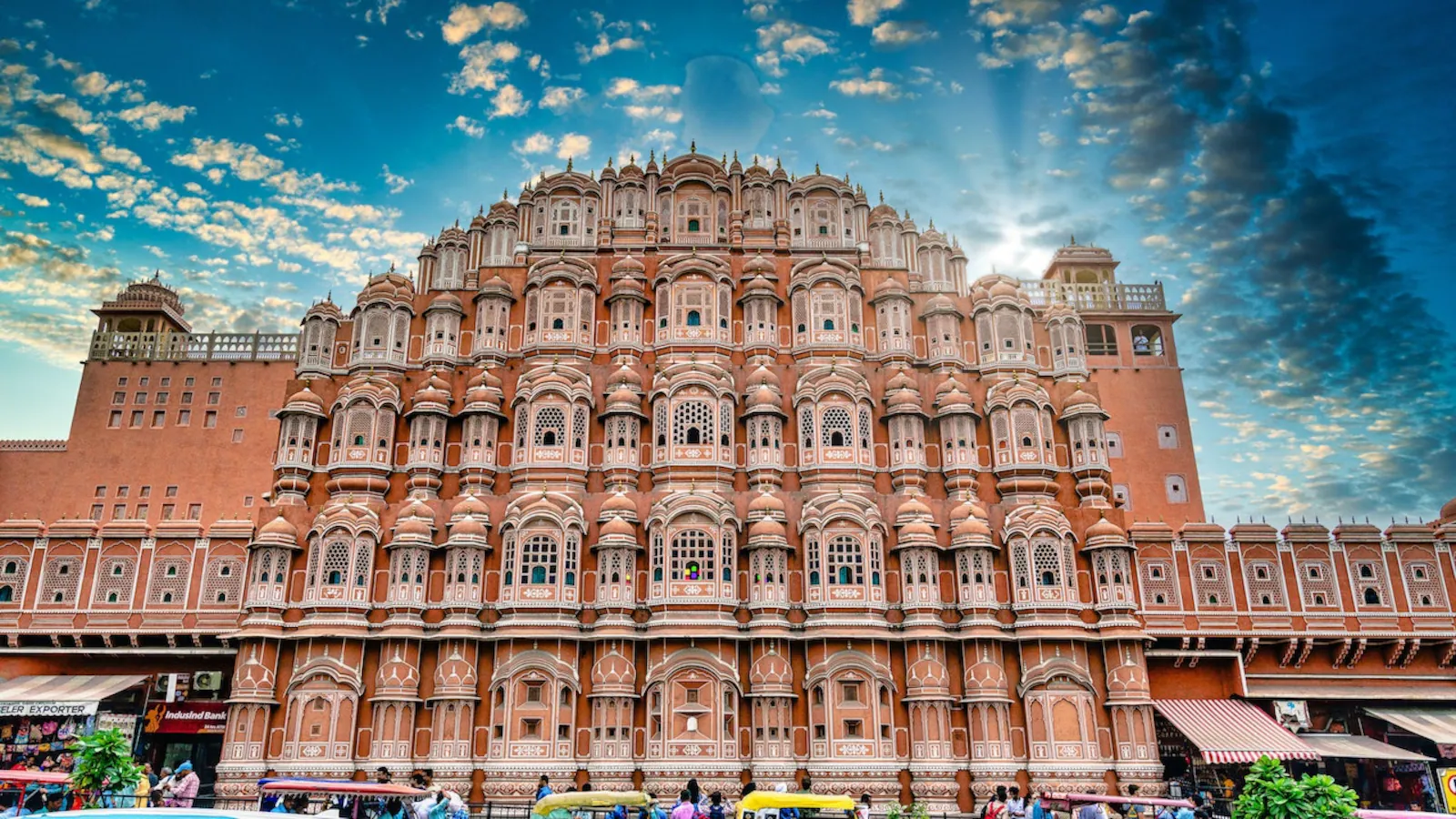
Rajasthan Package For 5 Nights With Jaipur Jodhpur & Udaipur
Embark on a captivating 6-day Rajasthan tour package and explore the vibrant colors of this majestic land. From the pink…
5 NightsDiscover Incredible Destinations
Handpicked locations offering unforgettable experiences for every type of traveler
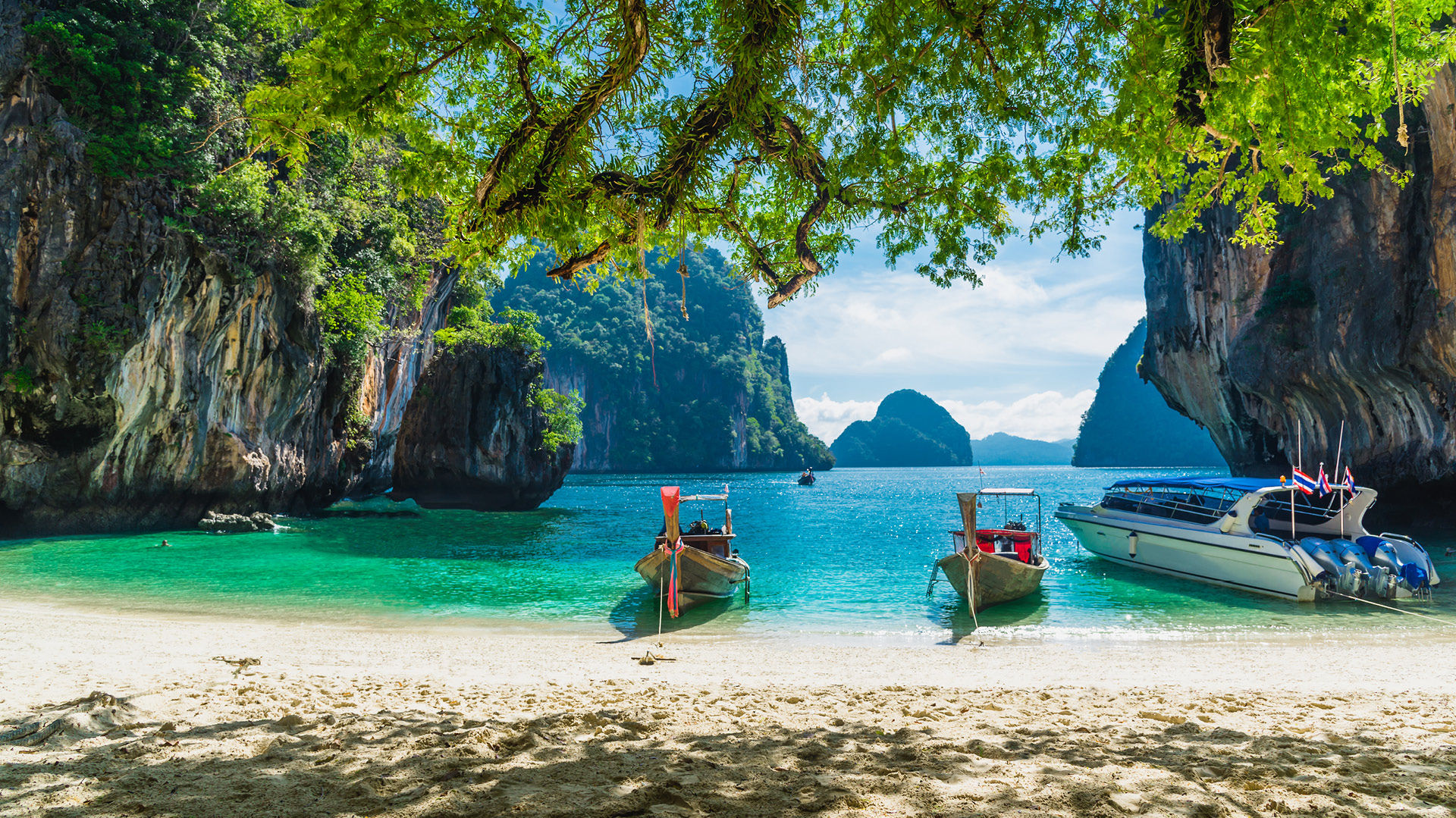
Andaman
Paradise of pristine beaches

Rajasthan
Land of kings and culture

Kashmir
Heaven on Earth

Ladakh
Land of high passes

Kerala
God's own country

Meghalaya
Abode of the clouds

Dubai
City of gold and luxury

Thailand
Land of smiles

Maldives
Tropical paradise islands
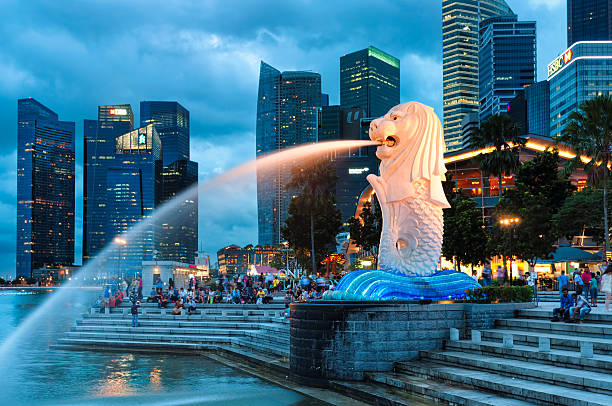
Singapore
Garden city of Asia

Bali
Island of the gods

Vietnam
Ancient charm meets modern