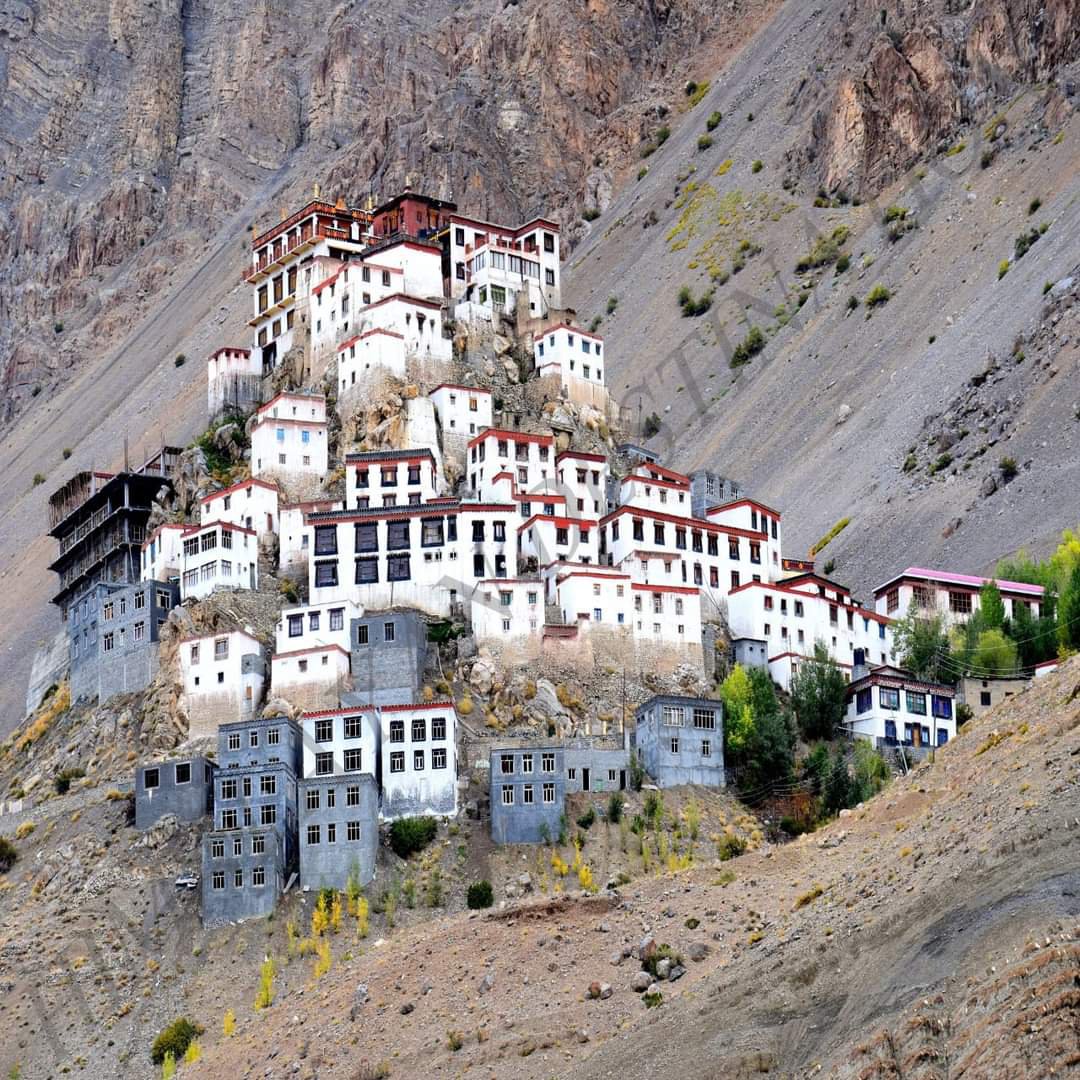
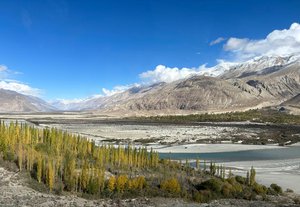
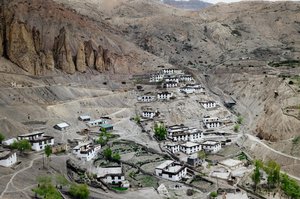
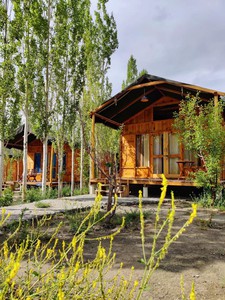
Spiti Valley in Himachal Pradesh is one of the most breathtaking high-altitude destinations in India, known for its rugged landscapes, ancient monasteries, and remote Himalayan villages. Often called the valley of Spiti, this cold desert offers a raw and untouched travel experience that attracts adventure seekers, bikers, and nature lovers alike. Whether you’re planning a scenic road trip from Manali, exploring the cultural beauty of Kaza, or looking for well-planned Spiti Valley tour packages, this complete guide will help you understand everything—from routes and itinerary to cost and the best time to visit Spiti Valley.
🏔️ Where is Spiti Valley in Himachal Pradesh?
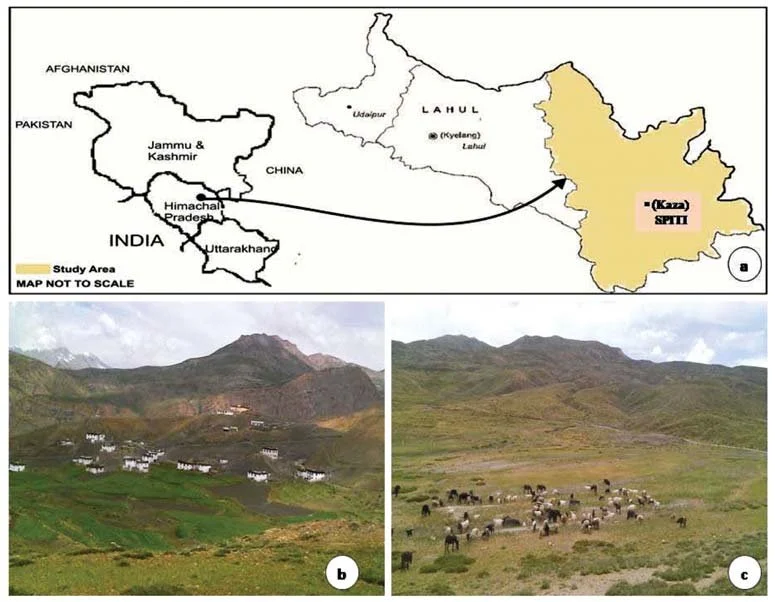
Spiti Valley is located in the northeastern part of Himachal Pradesh, in northern India, close to the border with Tibet. Known as one of the most remote regions of the Himalayas, Spiti Valley in India lies at an average altitude of around 12,500 feet, making it a high-altitude cold desert with dramatic landscapes and minimal vegetation. The region is part of the administrative Lahaul and Spiti district, which is one of the least populated districts in the country.
Often referred to as Spiti Valley Himachal Pradesh, this destination is surrounded by towering mountains, deep valleys, and ancient monasteries that reflect strong Tibetan Buddhist culture. Unlike other popular hill stations, Spiti offers a raw and untouched experience, far from commercialization. Its strategic location between India and Tibet gives it a unique blend of Indian and Tibetan heritage, making it one of the most culturally rich and geographically stunning regions to explore.
Due to its remote setting, reaching Spiti Valley itself becomes an adventure—whether you take the route via Manali or the longer but more gradual route through Shimla. This isolation is exactly what makes Spiti Valley special, attracting travelers who are looking for something beyond the usual tourist destinations in Himachal Pradesh.
🌄 Why Visit Spiti Valley?
The valley of Spiti is not just a destination—it’s an experience that feels raw, untouched, and deeply spiritual. Unlike crowded hill stations, Spiti offers vast open landscapes, dramatic mountain views, and a sense of isolation that makes every moment feel special. From ancient monasteries perched on cliffs to small Himalayan villages frozen in time, Spiti travel is all about disconnecting from chaos and reconnecting with nature.
One of the biggest reasons to visit Spiti Valley is its unique blend of adventure and culture. You can drive through some of the highest motorable roads in the world, explore centuries-old monasteries like Key Monastery, and witness a way of life that has remained unchanged for generations. The region’s stark beauty—barren mountains, turquoise rivers, and clear night skies—makes it a paradise for photographers and explorers.
Whether you’re planning a road trip, a bike expedition, or simply looking for peace in the Himalayas, Spiti offers something that very few places in India can match. It’s not just about sightseeing—it’s about experiencing one of the most remote and surreal landscapes in the country.
🗓️ Best Time to Visit Spiti Valley (Season Guide)
Choosing the right time is crucial when planning a trip to Spiti Valley, as weather conditions directly impact road accessibility, travel experience, and activities. Each season offers a completely different side of Spiti—ranging from pleasant road trips to extreme winter adventures.
☀️ Spiti Valley in Summer (May–June)
Summer is considered the best time for most travelers to explore Spiti. During Spiti Valley in May and Spiti Valley in June, the weather becomes relatively pleasant, with temperatures ranging between 10°C to 20°C. Roads from both Manali and Shimla start opening up, making it easier to access the region.
This is the ideal time for:
Road trips via Manali–Kaza route
Exploring villages like Kaza, Langza, and Hikkim
Visiting Chandratal Lake (towards late June)
The landscapes are clearer, skies are blue, and travel conditions are much safer compared to winter.
❄️ Spiti Valley in Winter (December–March)
Visiting Spiti Valley in winter is only for hardcore travelers and adventure seekers. During winter Spiti Valley, temperatures can drop to -20°C or even lower, and the region gets heavily covered in snow. Spiti Valley in December marks the beginning of extreme winters where most routes from Manali are completely closed.
However, winter offers:
Snow-covered surreal landscapes
Frozen rivers and dramatic views
A chance to experience authentic local life
Travel is usually possible only via the Shimla route, and proper preparation is essential.
🌤️ Spiti Valley in April & October
The shoulder months—Spiti Valley April and Spiti in October—offer a unique experience for travelers who want fewer crowds. April still carries the tail end of winter, with partially snow-covered landscapes, while October marks the beginning of colder conditions before peak winter sets in.
These months are suitable for:
Peaceful travel with fewer tourists
Budget-friendly stays
Clear mountain views
However, weather can be unpredictable, and certain routes (especially via Manali) may not always be fully accessible.
🚗 How to Reach Spiti Valley
Reaching Spiti Valley is part of the adventure. Due to its remote location in the Himalayas, there are mainly two routes to enter the region—via Manali and via Shimla. Both offer completely different experiences in terms of road conditions, scenery, and difficulty level.
🏔️ Manali to Spiti Valley Route
The Manali to Spiti Valley route is the most adventurous and scenic way to enter Spiti. This route typically follows: Manali → Rohtang Pass → Kunzum Pass → Kaza
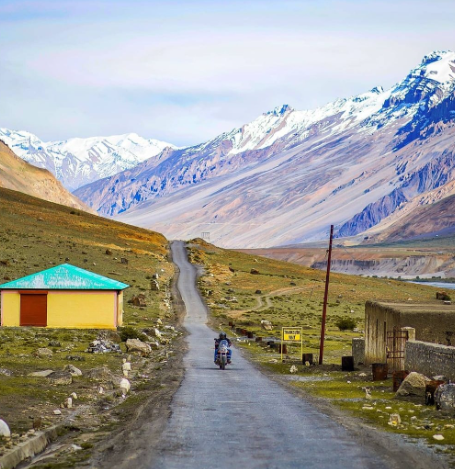
The journey from Manali to Kaza covers around 180–200 km but can take 8–10 hours depending on road conditions. The Lahaul Spiti road on this route is known for its rugged terrain, river crossings, and high mountain passes, making it extremely thrilling for bikers and road trip enthusiasts.
Key highlights:
Rohtang Pass & Kunzum Pass crossings
Chandratal Lake detour
Raw off-road driving experience
⚠️ Important: This route is only open from June to September, as heavy snowfall blocks access during the rest of the year.
🛣️ Shimla Route (Recommended)
The Shimla route is the most preferred and safer way to reach Spiti Valley, especially for first-time travelers. It follows: Shimla → Reckong Peo → Nako → Tabo → Kaza
This route is longer but much more gradual in terms of altitude gain, which helps reduce the risk of altitude sickness (AMS). Unlike the Manali route, this road remains open for most of the year, including winter (with some interruptions due to heavy snowfall).
Why choose this route:
Better road conditions
Safer acclimatization
Accessible even when Manali route is closed
For a smooth and well-planned journey, many travelers prefer booking Spiti Valley tour packages that include transport, stays, and guided itineraries, especially if visiting for the first time.
Planning the right Spiti Valley itinerary is essential because of long travel distances, high altitude, and limited connectivity between places. A well-paced itinerary for Spiti Valley ensures proper acclimatization while covering all major destinations like Kaza, Chandratal, Nako, and Key Monastery. Below is a practical 7–10 day Spiti itinerary that works for most travelers.
📅 7–10 Days Recommended Itinerary
Day 1: Shimla to Kalpa / Reckong Peo Start your journey from Shimla and drive towards Kalpa via Narkanda. This day helps in gradual altitude gain.
Day 2: Kalpa to Nako / Tabo Travel deeper into the mountains, entering the Spiti region. Nako village is a beautiful stop with a serene lake.
Day 3: Tabo to Kaza (via Dhankar Monastery) Visit the ancient Tabo Monastery and Dhankar Monastery before reaching Kaza, the main hub of Spiti Valley.
Day 4: Explore Kaza & Nearby Villages Visit Key Monastery, Kibber, Langza (famous for the Buddha statue), and Hikkim (world’s highest post office).
Day 5: Kaza to Chandratal Lake Drive towards Chandratal Lake via Kunzum Pass. One of the most scenic parts of your Spiti Valley itinerary.
Day 6: Chandratal to Manali Return via the adventurous Manali route, crossing rough terrain and high-altitude passes.
🧭 Extended Plan (8–10 Days Option)
Add 1 extra day in Kaza for better exploration
Include Pin Valley National Park
Spend an extra night near Chandratal for stargazing
⚡ Important Tips for Your Spiti Itinerary
Always plan your trip with gradual altitude gain
Keep buffer days for weather or road delays
Avoid rushing—Spiti is about experience, not speed
For a hassle-free experience, many travelers prefer choosing curated Spiti Valley tour packages that already include a well-structured itinerary, transport, and stays—saving time and reducing risk in such remote terrain.
📍 Top Places to Visit in Spiti Valley
Spiti is not about one single destination—it’s a collection of remote villages, high-altitude lakes, and cultural landmarks spread across the valley. Each place offers a completely different experience, making your journey through Spiti truly unforgettable.
🏔️ Kaza – Heart of Spiti
Kaza Spiti Valley is the main town and administrative center of the region, often referred to as the base for exploring nearby villages. Located in the Kaza Lahaul Spiti region, it offers the best mix of accessibility, stay options, cafes, and connectivity.
From Kaza, you can explore:
Key Monastery (iconic hilltop monastery)
Kibber Village (one of the highest inhabited villages)
Hikkim & Langza
Kaza is where most travelers spend 2–3 nights to acclimatize and explore the core of Spiti Valley.
🌙 Chandratal Lake – Moon Lake
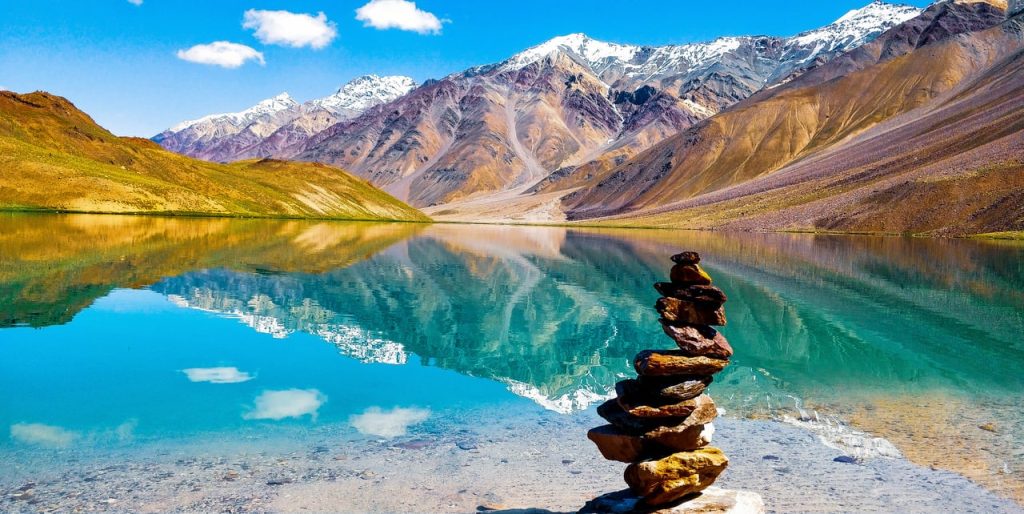
Chandratal, also known as Chandratal Lake, is one of the most stunning high-altitude lakes in India. Located at around 14,100 feet, its crescent shape gives it the name “Moon Lake.”
The Chandratal Lake trek is a short but rewarding experience, offering panoramic views of the surrounding mountains. This spot is famous for:
Crystal-clear blue water
Camping under star-filled skies
Sunrise and sunset reflections
It’s a must-visit destination on the Manali–Spiti route.
🧘 Langza – Buddha Statue Village
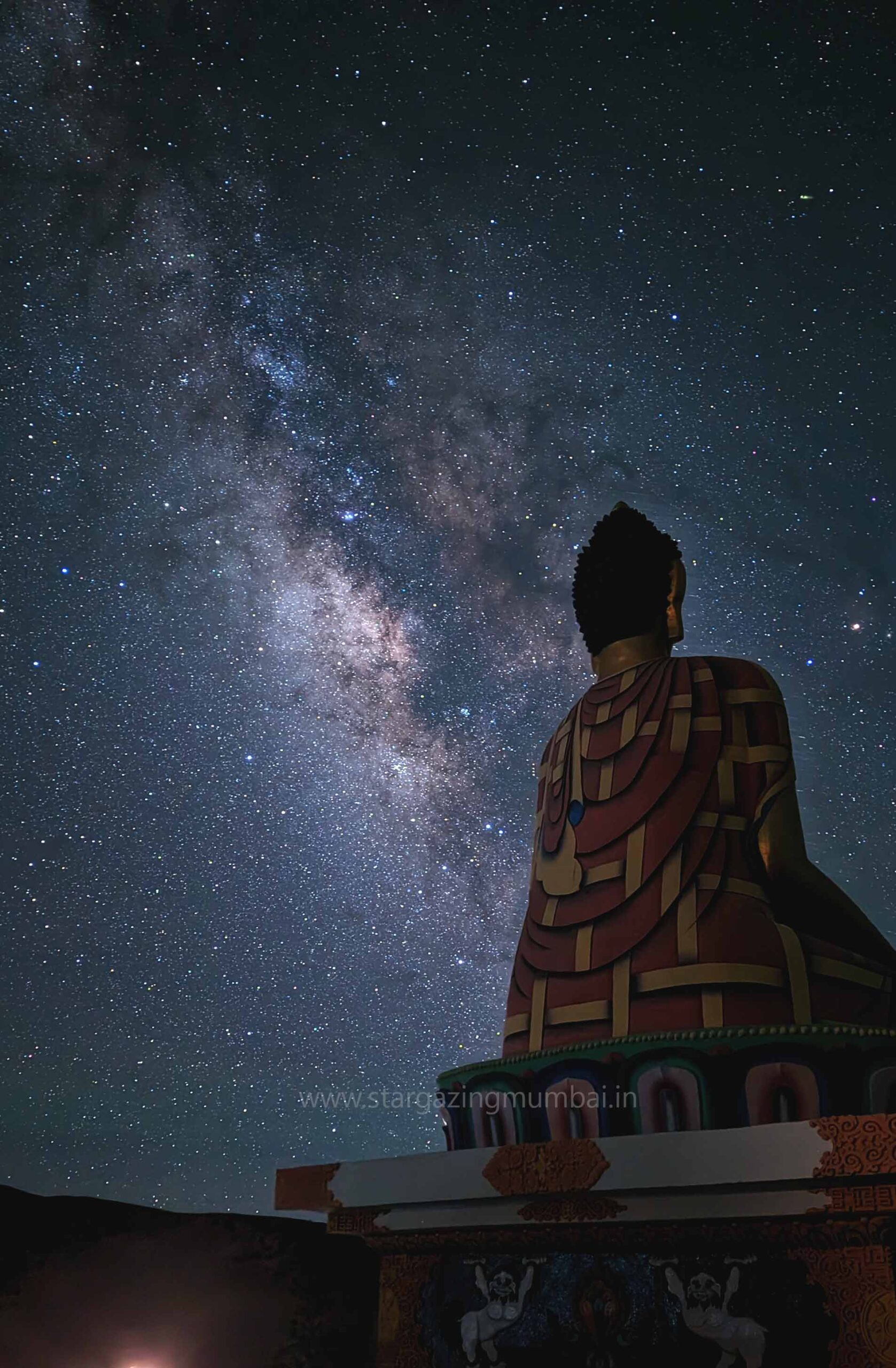
Langza is a small Himalayan village known for the massive Langza Buddha statue overlooking the valley. Set against the backdrop of snow-capped peaks, this place feels surreal and peaceful.
Nako is a beautiful village located near the Indo-Tibet border and serves as an entry point into Spiti when traveling via Shimla. The highlight of Nako is its serene lake, surrounded by mountains and traditional houses.
Why visit Nako:
Peaceful stop for acclimatization
Scenic lake views
Cultural Tibetan influence
It’s often the first major stop in most Spiti itineraries.
🌄 Sissu Valley
Located in the Lahaul region, Sissu Valley is often visited on the Manali route to Spiti. Known for its lush greenery (rare in Spiti’s landscape), waterfalls, and scenic beauty, it offers a refreshing contrast before entering the cold desert terrain.
Key attractions:
Sissu waterfall
Riverside views
Easy accessibility from Manali
It’s a perfect stopover before heading towards the more rugged parts of Spiti Valley.
💰 Spiti Valley Trip Cost Breakdown
Planning a Spiti trip requires a clear understanding of your budget, as costs can vary depending on travel style, route, and duration. Whether you’re planning a budget backpacking Spiti Valley trip or a comfortable guided experience, here’s a realistic breakdown of Spiti Valley travel expenses.
🚗 Transport Cost
Transport is usually the biggest expense in a Spiti Valley trip.
Self-drive car (Delhi/Chandigarh): ₹8,000 – ₹15,000 (fuel + tolls)
Bike trip (Manali/Delhi): ₹6,000 – ₹12,000 (fuel + rental)
Shared taxi: ₹1,500 – ₹3,000 per seat (per stretch)
Private cab: ₹20,000 – ₹35,000 (full trip depending on route)
👉 The Manali route is shorter but rough, while the Shimla route is longer and more stable.
🏨 Stay Cost
Accommodation in Spiti ranges from budget homestays to boutique hotels.
👉 Kaza has the widest range of options, while remote villages offer simpler stays.
🍜 Food Cost
Food is simple, local, and relatively affordable in Spiti.
Per meal: ₹150 – ₹300
Daily cost: ₹500 – ₹1,000
You’ll mostly find Tibetan and North Indian food like thukpa, momos, dal-rice, and Maggi.
🏍️ Bike vs 🚙 Car Cost Comparison
Choosing between a bike and a car significantly impacts your budget and experience.
Bike Trip (Budget + Adventure)
Lower cost overall
Ideal for solo travelers
More exposure to weather & rough roads
Car Trip (Comfort + Safety)
Higher cost
Better for groups/families
Safer and less tiring
👉 A bike trip offers unmatched adventure, while a car provides comfort and reliability, especially for first-time visitors.
💡 Average Total Cost (Per Person)
Budget trip: ₹12,000 – ₹18,000
Mid-range trip: ₹18,000 – ₹30,000
Premium trip: ₹30,000+
For travelers who want a hassle-free experience, choosing well-planned Spiti Valley tour packages can actually save money while covering transport, stays, and itinerary efficiently.
🏍️ Spiti Valley Bike Trip Guide
A Spiti Valley bike trip is one of the most thrilling road adventures in India, attracting riders from across the country. Riding through rugged terrain, crossing high-altitude passes, and navigating remote Himalayan roads makes a bike tour Spiti Valley an unforgettable experience. However, it requires proper planning, the right bike, and awareness of road conditions.
🛣️ Best Routes for Spiti Bike Trip
There are two main routes for a Spiti bike trip:
Manali → Kaza (Adventure Route) Shorter but more challenging with off-road patches, river crossings, and high passes like Kunzum Pass.
Shimla → Kaza (Recommended Route) Longer but smoother and better for acclimatization, ideal for first-time riders.
👉 Many riders prefer entering via Shimla and exiting via Manali for a complete circuit.
🏍️ Best Bikes for Spiti Valley
Choosing the right bike is crucial due to rough terrain and high altitude.
Recommended bikes:
Royal Enfield (Classic / Himalayan)
KTM Adventure / Duke
Hero XPulse
👉 A bike with strong suspension and good ground clearance is essential.
⛽ Fuel & Preparation Tips
Fuel stations are limited in Spiti, so planning is critical.
Last major fuel pumps: Manali, Reckong Peo, Kaza
Always carry extra fuel (5–10 liters)
Check brakes, tires, and engine before starting
⚠️ Challenges You Should Know
A Spiti Valley bike trip is not easy and comes with real challenges:
Rough and broken roads
Water crossings
Low oxygen levels (high altitude)
Sudden weather changes
Proper acclimatization and riding experience are important.
For those who want the adventure without the hassle of planning, many travelers opt for organized bike tour Spiti Valley packages that include backup vehicles, mechanics, and accommodation—making the journey safer and more enjoyable.
🎒 Spiti Valley Tour Packages (Best Way to Plan Your Trip)
Planning a trip to Spiti can be challenging due to remote locations, unpredictable weather, and limited transport options. That’s why many travelers prefer booking well-organized Spiti Valley tour packages that cover everything from transport and stays to a properly structured itinerary.
Whether you’re looking for a budget-friendly trip or a premium experience, there are multiple Spiti Valley packages available based on your travel style. These packages typically include:
Accommodation in Kaza, Tabo, Nako, and Chandratal
Transportation (SUV / tempo traveler / bike options)
Meals and local sightseeing
Experienced drivers or trip coordinators
🚗 Types of Spiti Tour Packages
1. Road Trip Packages (Most Popular) Perfect for travelers who want to experience the full journey via Shimla and Manali. These Spiti tour package options usually follow a circuit route and cover all major destinations.
2. Bike Trip Packages Designed for adventure lovers, these include Royal Enfield rentals, backup vehicles, and mechanical support—ideal for a safe yet thrilling ride.
3. Group Tour Packages Cost-effective and social, these trips are great for solo travelers looking to join a group and explore Spiti without planning everything themselves.
4. Customized Private Packages For families or couples, a Lahaul Spiti tour package can be tailored based on comfort, duration, and specific preferences.
🔗 Why Choose Spiti Valley Tour Packages?
No need to worry about routes or bookings
Better cost management compared to DIY trips
Local expertise in remote areas
Safer travel experience in high-altitude conditions
👉 If you’re planning your trip, explore our Spiti Valley tour packages designed to cover the best of Spiti with comfort, safety, and expert planning. Whether it’s your first Spiti Valley trip or a return adventure, the right package can make all the difference.
⚠️ Travel Tips for Spiti Valley
Traveling to Spiti is an incredible experience, but it also comes with challenges due to its high altitude, remote terrain, and limited infrastructure. These essential tips will help you plan a safe and smooth journey.
🫁 AMS (Altitude Sickness)
Acute Mountain Sickness (AMS) is one of the most important factors to consider during a Spiti trip.
Spiti Valley is located above 12,000 ft, where oxygen levels are low
Symptoms include headache, nausea, dizziness, and fatigue
Always acclimatize properly (Shimla route is better for this)
Stay hydrated and avoid alcohol in the first few days
👉 If symptoms worsen, descend immediately to a lower altitude.
🛣️ Road Conditions
Roads in Spiti are unpredictable and can vary from smooth highways to rough off-road stretches.
Expect broken roads, landslides, and water crossings
The Manali route is more challenging than Shimla
Always start early to avoid bad weather in the afternoon
👉 Drive carefully and avoid night travel in Spiti Valley.
⛽ Fuel Availability
Fuel stations are very limited in Spiti, so planning is critical.
Major fuel pumps: Manali, Reckong Peo, Kaza
No fuel stations in between long stretches
Carry extra fuel (5–10 liters) if traveling by bike or car
👉 Never rely on finding fuel in remote villages.
📶 Network & Connectivity
Spiti Valley has very limited mobile network coverage.
BSNL and Jio work best (still unreliable in many areas)
No internet in most villages
ATMs are only available in Kaza (and may not always work)
👉 Carry enough cash and inform family before entering no-network zones.
Planning ahead and being prepared for these conditions can make your Spiti Valley trip safe, enjoyable, and stress free.
🏨 Where to Stay in Spiti Valley
Accommodation in Spiti Valley ranges from backpacker hostels to boutique eco-stays and comfortable hotels. Most travelers base themselves in Kaza, which is the main hub of the region and offers the best stay options.
🛏️ Zostel Kaza (Best for Backpackers)
Zostel Spiti is one of the most popular choices among solo travelers and backpackers. It offers a vibrant social atmosphere with dorms and private rooms, making it ideal if you want to meet fellow travelers.
Key highlights:
Common lounge & social vibe
Budget-friendly stays
On-site café and travel desk
Good location in Kaza
It’s perfect for those planning a budget-friendly Spiti Valley trip with a community experience.
🌿 Hotel Deyzor (Best Boutique Stay)
Hotel Deyzor is one of the most highly rated boutique hotels in Spiti Valley, known for its eco-friendly design and peaceful environment. It offers a premium yet cozy experience surrounded by nature.
Why choose it:
Comfortable rooms with mountain views
In-house restaurant serving Indian & Tibetan food
Warm hospitality and peaceful location
Award-winning stay experience
It’s ideal for travelers looking for comfort and a more curated Spiti Valley travel experience.
🏔️ Kunzum Hotel (Mid-Range Comfort Stay)
Kunzum Hotel is a well-known mid-range option offering comfortable rooms and essential amenities for travelers exploring Spiti.
Best for:
Families and small groups
Comfortable stay with basic facilities
Easy access to local sightseeing
It provides a balanced experience between budget and comfort, making it suitable for most travelers on a Spiti Valley itinerary.
💡 Stay Tips for Spiti Valley
Book in advance during peak season (June–September)
Expect basic amenities in remote villages
Carry cash as online payments may not work
Prefer stays in Kaza for better connectivity
Whether you choose a hostel like Zostel or a boutique stay like Hotel Deyzor, your accommodation plays a key role in shaping your overall Spiti Valley trip experience.
🚀 Plan Your Spiti Valley Trip Today
Spiti Valley is not just another destination—it’s a journey through one of the most raw and untouched landscapes in India. From dramatic mountain roads and ancient monasteries to surreal places like Kaza and Chandratal Lake, every part of this valley offers a unique experience. Whether you’re planning a road trip, a bike adventure, or a peaceful Himalayan escape, a well-planned Spiti Valley trip makes all the difference.
If you want to avoid the hassle of route planning, bookings, and high-altitude challenges, choosing curated Spiti Valley tour packages is the smartest way to travel. With everything from transport and stays to a structured itinerary taken care of, you can focus on enjoying the journey instead of worrying about logistics.
👉 Explore our Spiti Valley tour packages and find the perfect plan for your trip. Whether you’re looking for a budget-friendly Spiti tour package or a premium Lahaul Spiti tour package, we’ve got options designed for every type of traveler.
Start planning today and experience the magic of Spiti Valley the right way.