Nubra Valley Tour Packages
Explore Nubra Valley tour packages featuring cold deserts, villages, monasteries, camels and river landscapes. Plan your Ladakh journey with ease.
100+
Packages for Nubra Valley
17+
Things To Do
13+
Years Experience
4.8★
Google Rating


 Awarded In 2023
Lazy Yatra's approach to personalised travel has been featured across Indian media.







About Nubra Valley
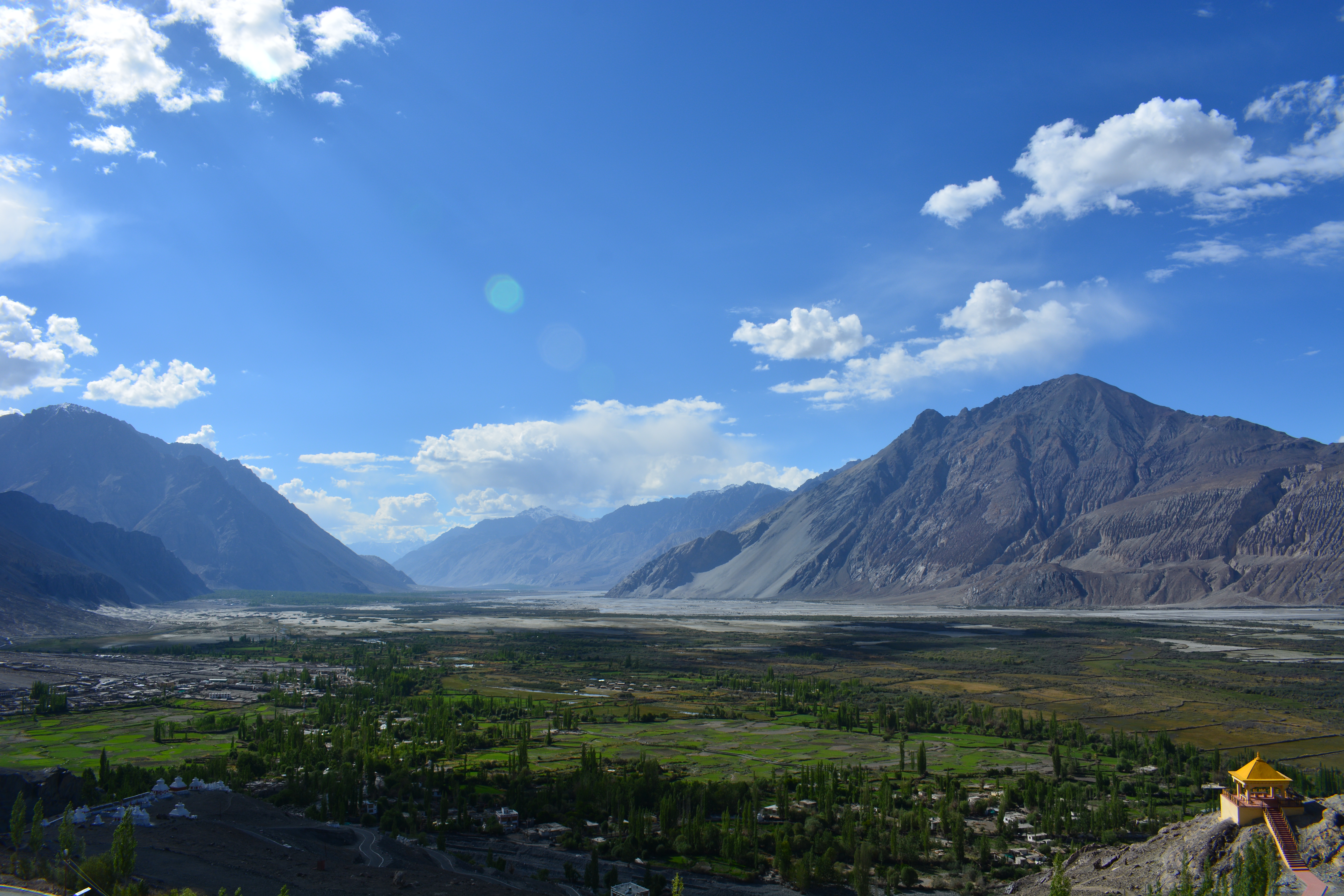
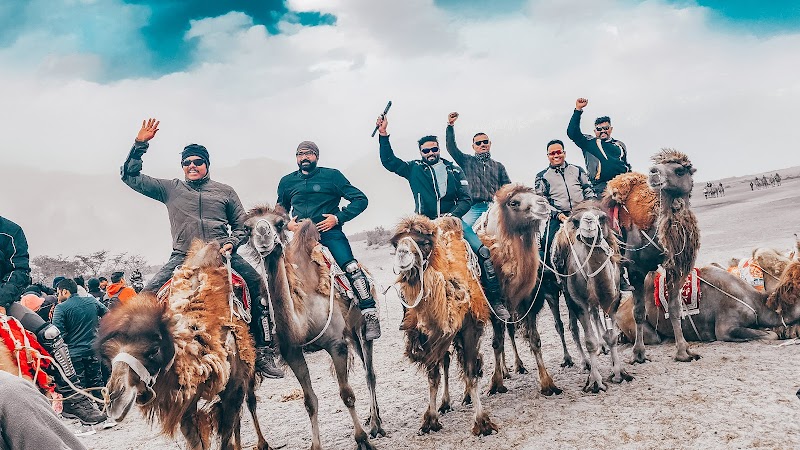
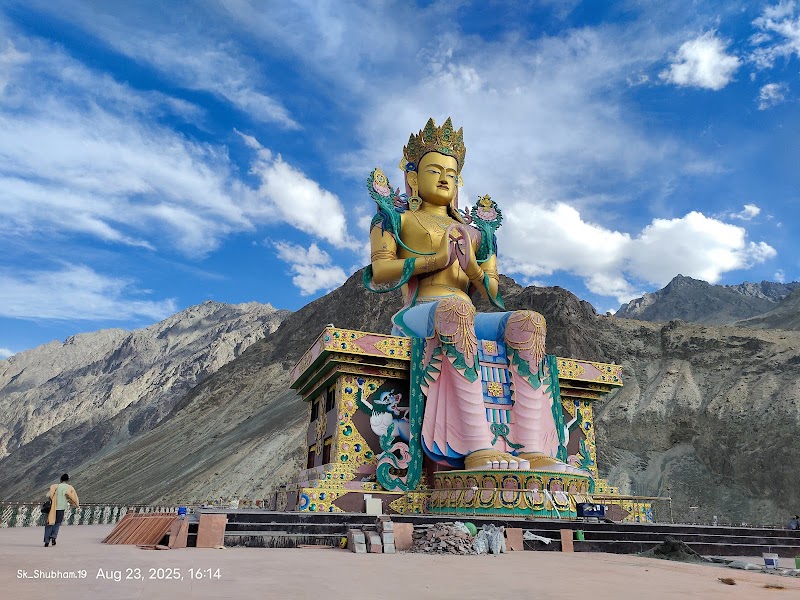
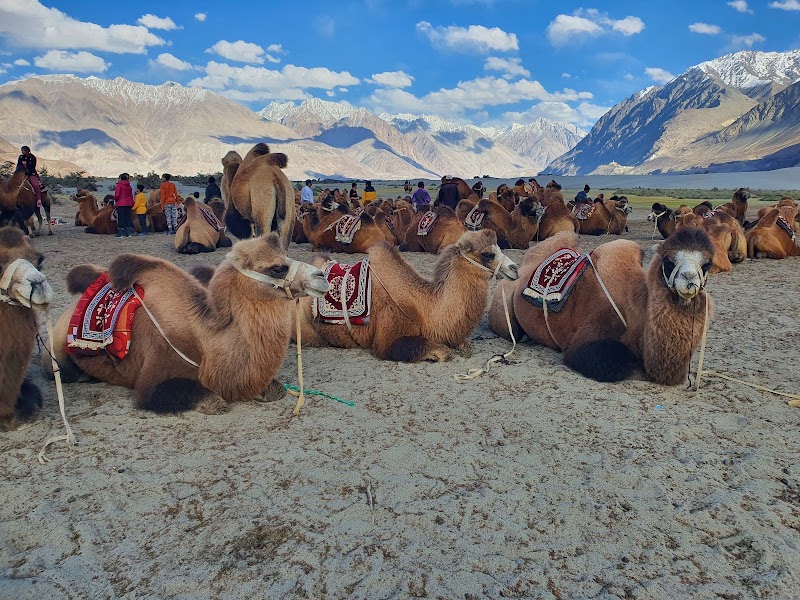
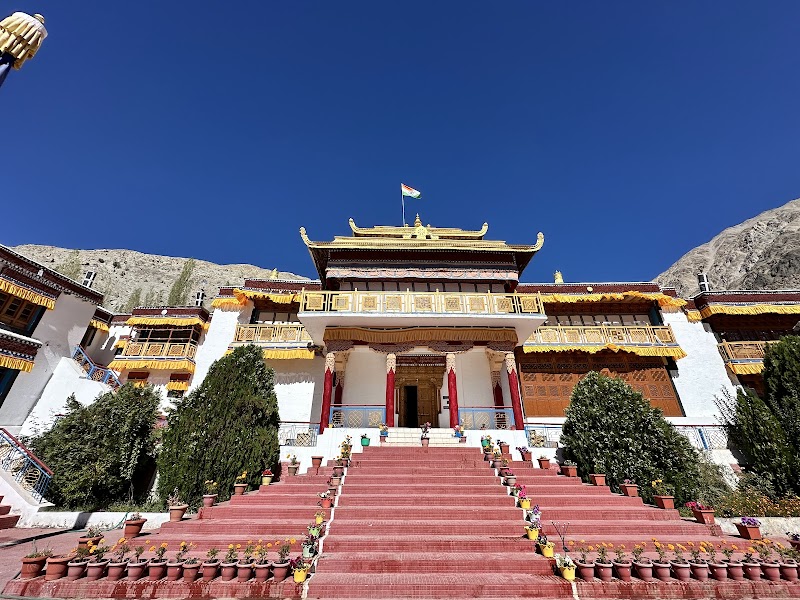
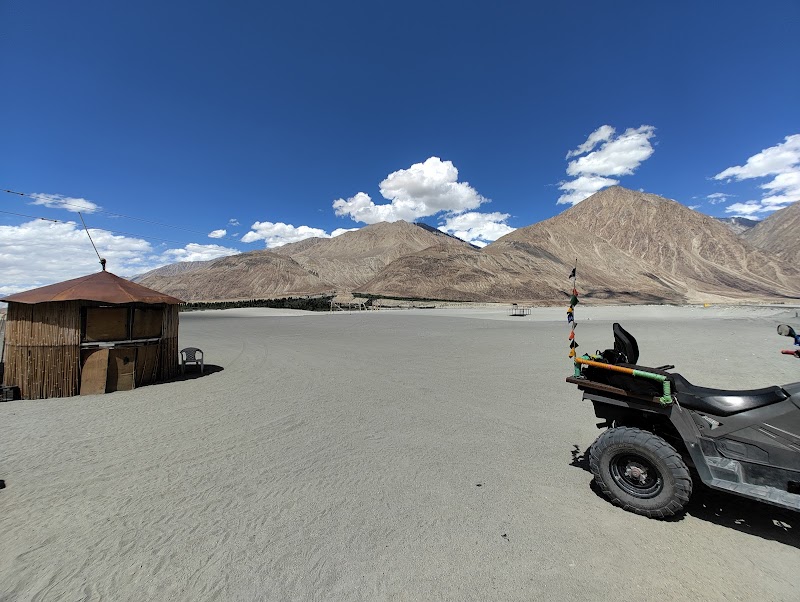
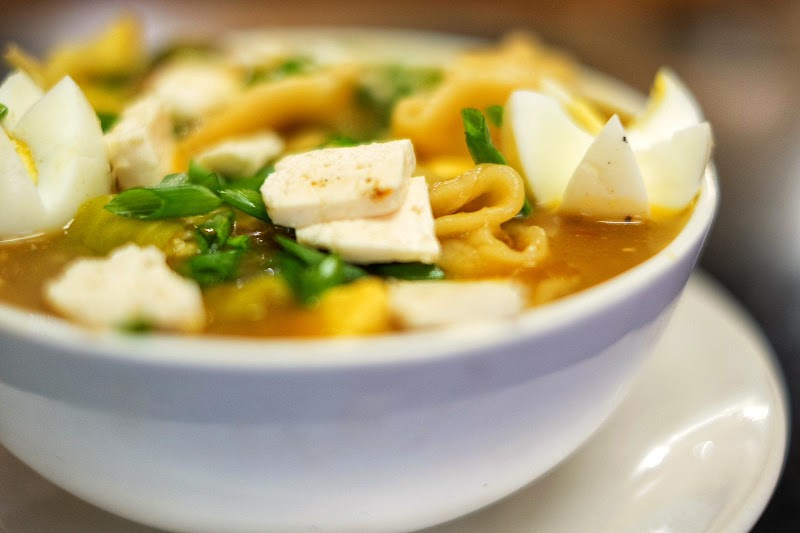
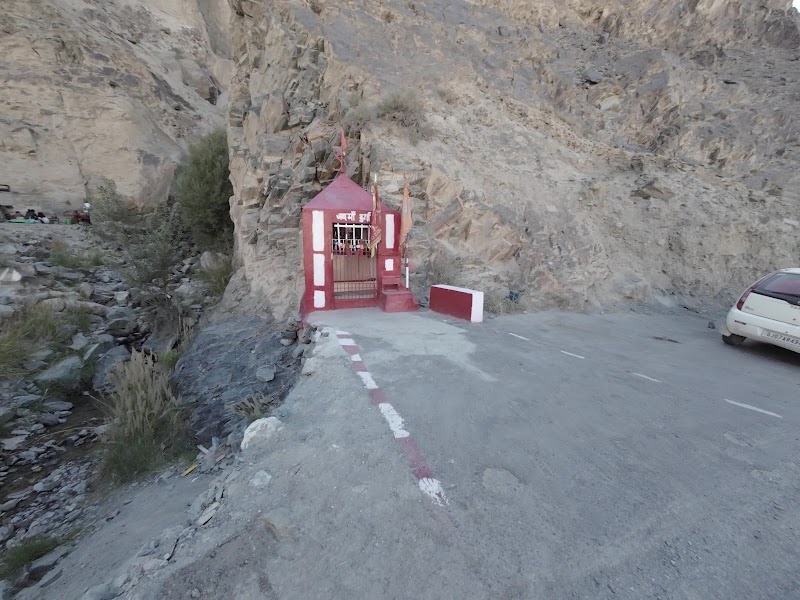
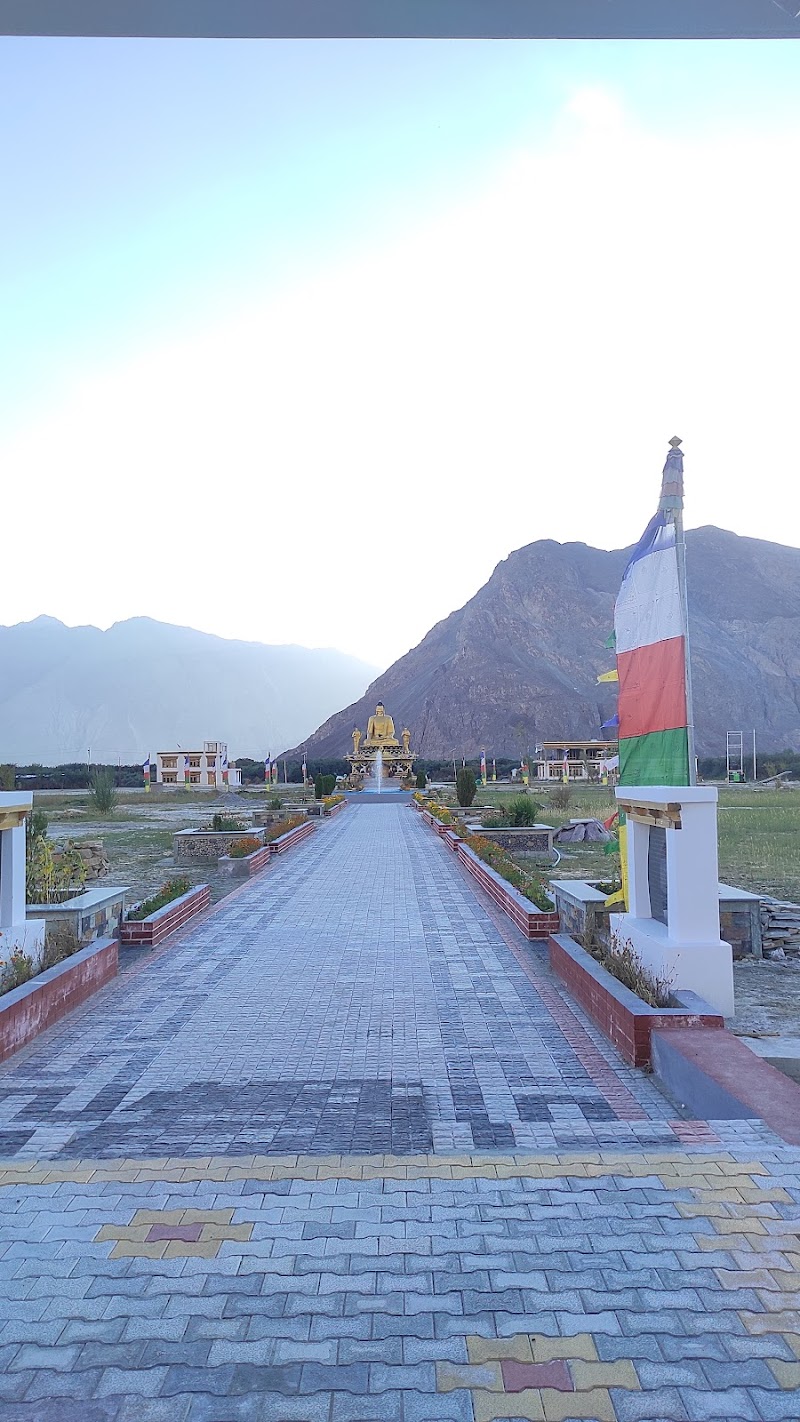
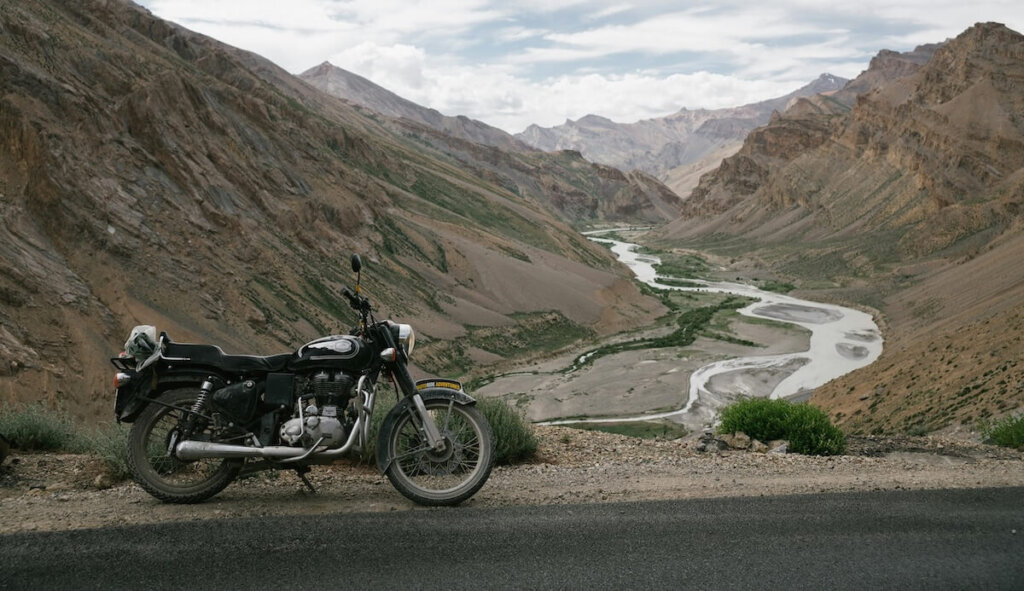
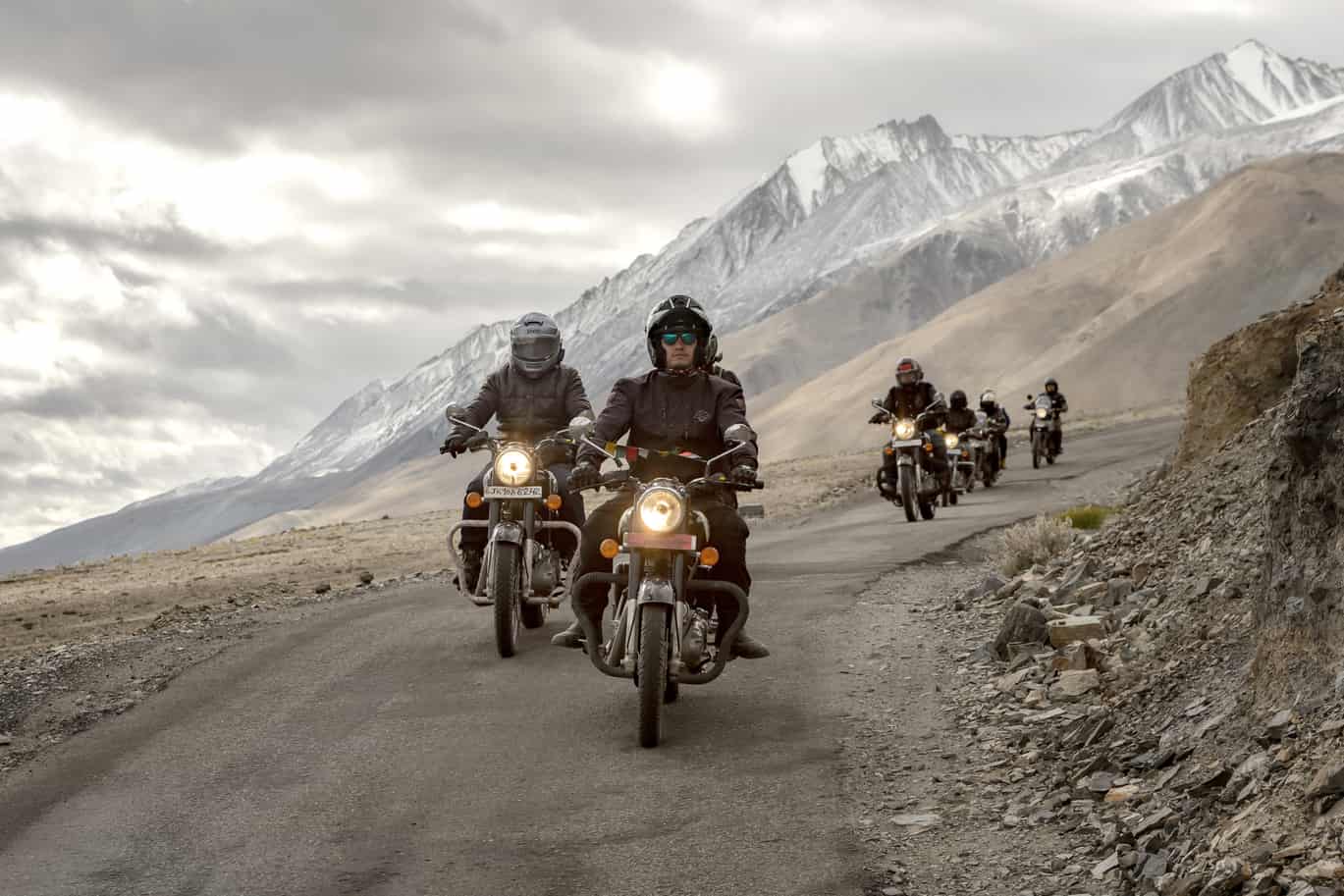
Nubra Valley is one of the most distinctive landscapes in the Ladakh region—a high-altitude valley where cold desert terrain meets flowing rivers, green villages, and centuries-old spiritual traditions. Located north of Leh and accessed via Khardung La, Nubra Valley feels geographically close yet emotionally far removed from the bustle of the main town. What makes Nubra Valley special is not a single landmark, but the contrast it offers. After the stark, rocky surroundings of Leh, the valley opens into wide plains shaped by the Shyok and Nubra rivers, with fields of barley, mustard flowers, and apricot trees adding colour to an otherwise rugged Himalayan setting. Landscape and Everyday Life in Nubra Valley Nubra Valley is defined by openness and space. The terrain is flatter compared to much of Ladakh, creating long sightlines across sand dunes, riverbeds, and distant mountains. The valley’s villages—such as Diskit, Hunder, and nearby hamlets—are small, quiet, and deeply connected to agriculture. Daily life here follows natural rhythms rather than tourist schedules. Mornings are calm, afternoons are spent tending fields or household work, and evenings settle quickly into silence. For visitors, this slower pace becomes part of the experience, offering a rare chance to disconnect and observe life as it unfolds naturally. Monasteries and Spiritual Presence Spirituality in Nubra Valley feels woven into everyday life rather than displayed. The most prominent religious site is Diskit Monastery, perched on a hill overlooking the valley. The monastery is known for its commanding location and the large statue of Maitreya Buddha facing the Shyok River, symbolising peace and protection. Beyond Diskit, smaller monasteries, prayer rooms, and chortens are scattered across villages. These are active spaces used by local communities, not just places of visit. Prayer flags flutter across fields and rooftops, reinforcing how closely faith and daily living are connected in Nubra Valley. Gurudwara Chamba Sahib Nubra Valley is also home to Gurudwara Chamba Sahib, an important but lesser-known spiritual site associated with Guru Nanak Dev Ji’s travels through the region. Surrounded by dramatic mountain terrain, the gurudwara reflects Ladakh’s long tradition of religious harmony. Visitors are welcomed regardless of faith, and the simplicity of the setting often leaves a deeper impression than more prominent pilgrimage sites. Local Food of Nubra Valley Food in Nubra Valley is shaped by climate, altitude, and seasonal availability. Meals are simple, nourishing, and home-cooked, designed to sustain energy in high-altitude conditions. Common dishes include: Thukpa – A warm noodle soup prepared with vegetables or meat Momos – Steamed dumplings, often made fresh in village kitchens Skyu – Traditional Ladakhi pasta cooked slowly with vegetables Chhutagi – Bow-shaped pasta served in a rich broth Tingmo – Soft steamed bread paired with curries Butter Tea (Gur Gur Chai) – A salty tea made with butter and salt Fresh apricots and dried fruit – A regional speciality during summer Meals are typically served in homestays, camps, or small guesthouses, making food a shared experience rather than a restaurant transaction. Food Experiences and Stay Culture Unlike Leh, Nubra Valley has very little café culture, and that is part of its appeal. Dining experiences revolve around where you stay—often a family-run guesthouse or a comfortable tented camp. Eating freshly prepared food while overlooking open valleys, sand dunes, or distant mountains creates a sense of closeness to the land. Many travellers remember Nubra meals not for variety, but for warmth, simplicity, and conversation. Festivals, Traditional Dance, and Cultural Life Cultural life in Nubra Valley is closely tied to monasteries and village communities. During local festivals, monks perform traditional Cham dances, wearing colourful masks and robes that represent spiritual teachings and local beliefs. Village gatherings during festival periods often include folk music, traditional dance, and communal meals. These celebrations are usually smaller and more intimate than festivals near Leh, offering visitors a quieter, more personal glimpse into Ladakhi culture. Outdoor Experiences and Gentle Adventure Nubra Valley is not about adrenaline-heavy adventure. The experiences here are gentle, landscape-driven, and deeply immersive. Visitors often enjoy slow walks through villages, time spent near riverbanks, photography of sand dunes and mountain backdrops, and camel rides with rare double-humped Bactrian camels. The valley’s open terrain and dry air also make it ideal for night photography and stargazing. Because of the altitude, activities are best enjoyed at an unhurried pace, allowing the body to adjust naturally. Accommodation Options in Nubra Valley Accommodation in Nubra Valley ranges from comfortable camps to small hotels and homestays. Properties are designed to blend with the environment rather than dominate it, focusing on warmth, cleanliness, and basic comfort. Stays are usually quieter and more spacious than in Leh, making Nubra an ideal place to slow down after the initial acclimatisation phase of a Ladakh journey. Weather and Best Time to Visit Nubra Valley Nubra Valley has a cold desert climate, similar to the rest of Ladakh, though it is slightly warmer during the day due to its lower altitude. May to September is the best time to visit, with open roads and stable weather. Days are generally pleasant and sunny. Nights can be cold, even in summer Winters are extremely harsh, with limited access Visits to Nubra Valley are typically planned after spending time in Leh, allowing travellers to adapt comfortably to high-altitude conditions. Why Nubra Valley Leaves a Lasting Impression Nubra Valley is not defined by crowds or checklists. Its appeal lies in contrast—green fields against barren mountains, silence after long drives, and human warmth in a remote setting. It offers a softer, more grounded side of Ladakh that balances the intensity of high passes and dramatic landscapes. For travellers planning a Ladakh journey, Nubra Valley adds depth, stillness, and emotional connection. Thoughtfully paced itineraries, such as those curated by Lazy Yatra, allow visitors to experience Nubra Valley as more than a stopover—making it one of the most memorable parts of the region.
What Makes Nubra Valley Worth The Trip
-
Cold desert blooms beside Shyok River plains
-
Double-humped camels roam high-altitude sand dunes
-
Apricot orchards soften Ladakh’s rugged terrain
-
Diskit Monastery watches silently over open valley
-
Nights fall early in wide Himalayan silence
-
Home-cooked Ladakhi meals replace restaurant dining
Popular Attractions in Nubra Valley
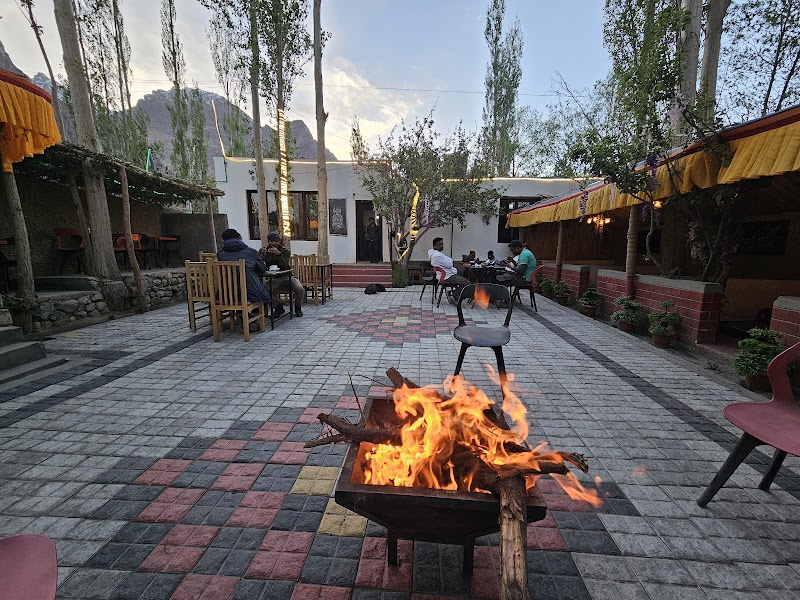
Discover the most captivating places in Nubra Valley
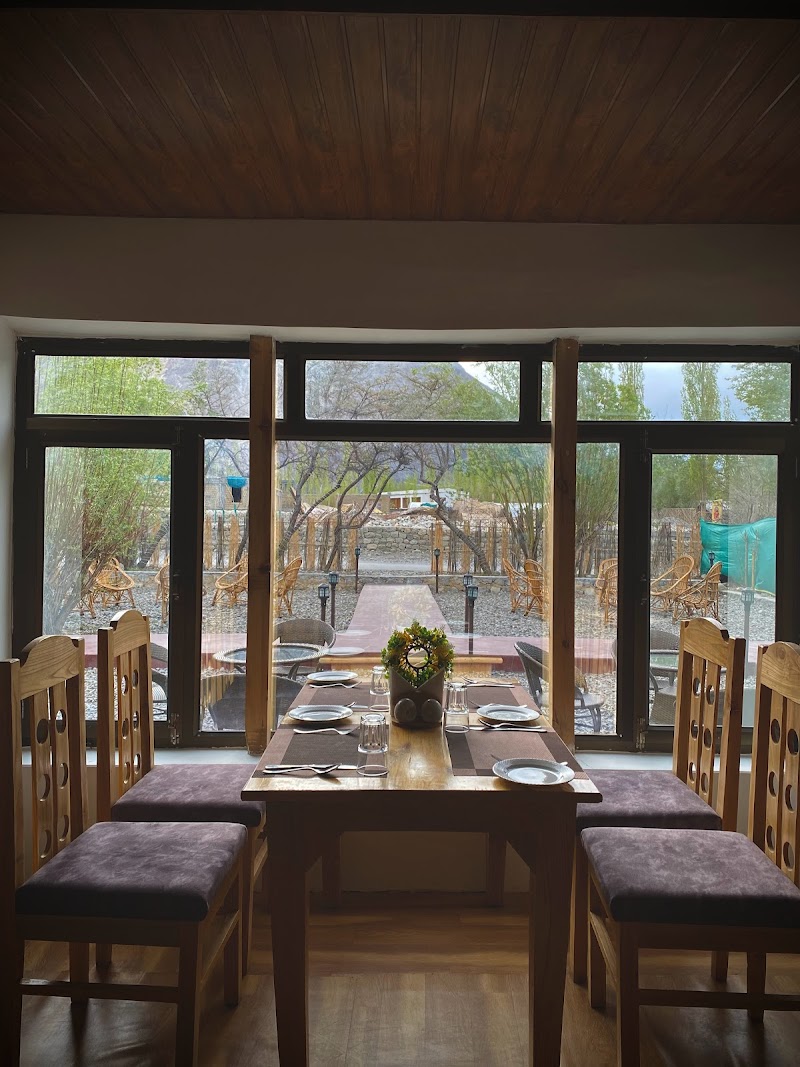
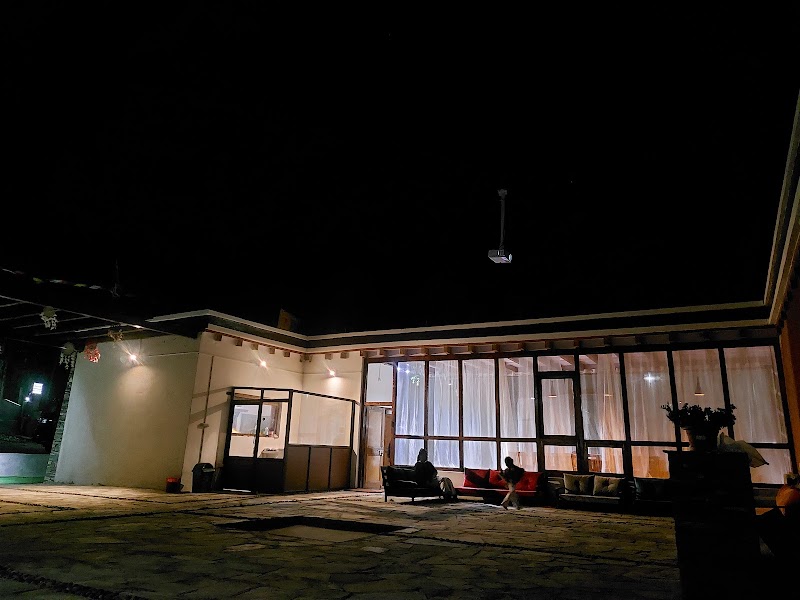
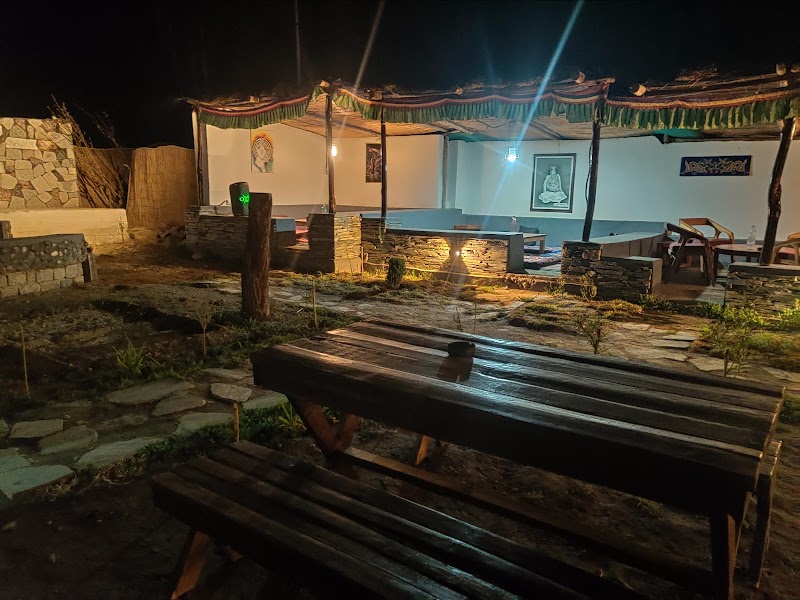
Dining in Nubra Valley
Explore the best restaurants and cafes in Nubra Valley
More to Explore in Nubra Valley
Points of interest and activities to enhance your experience
Tour Packages in Nubra Valley
Handpicked, bookable itineraries — or tell us what you want and we'll build one.
.jpg)

Hotels for Tour Packages
Discover comfortable accommodations for your stay


Why Travel With Us
Transparent Pricing
No hidden charges, no last-minute surprises
Experience First
We measure success by your smiles, not sales
Local Expertise
Hidden gems only locals know about
Tailor-made Journeys
Your trip, your way — we just make it perfect
20K+ Happy Travellers
With over 20,000 satisfied explorers, we've earned a 95% satisfaction rate — 73% of our travelers choose us again.
Best Price Promise
No middlemen — we partner directly with local providers for authentic experiences at lower prices, without compromising quality.
Dedicated Support
A personal travel concierge handles everything from planning to on-trip support, day or night.
24/7 emergency support available
Curated Experiences
300+ unique itineraries and hidden gems our team has personally vetted — we craft memories, not just trips.
89% are exclusive experiences
Our Story
Founded by Vishal Jain and Mayuri Jain, Lazy Yatra was born from a simple idea: to help you lose yourself — not in confusion, but in the majesty of nature, the rhythm of waterfalls, and the breathtaking palette of sunsets. We craft the perfect itinerary, while you enjoy the freedom to choose your adventure.
Vishal Jain
Co-Founder & Head of Business Development
-
2002–2006
B.Tech, Computer Science Engineering
NIT Kurukshetra
-
~9 years
Software Engineer — eMeter (Siemens), Sterling Commerce/IBM, HP
Led a 6–7 person team on Smart Grid / Energy systems; supply-chain & order management
-
2015–Present
Co-Founder, Lazy Yatra
Personally traveled to nearly every Indian state and many international destinations we plan for

Why an NITian Chose Travel Tech Over a Corporate Career · Founder story

Vishal Jain
CEO & Founder
Engineer-turned-founder

Mayuri Jain
Founding Member
Hospitality background

Dinesh Dhimman
Sales Head
Ex–Travel Triangle

Shipra Singhal
Operational Head
With Lazy Yatra since 2018