Turtuk Tour Packages
Ladakh
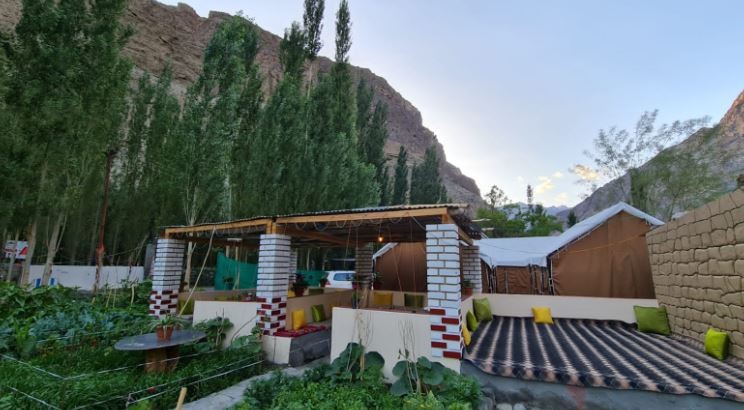
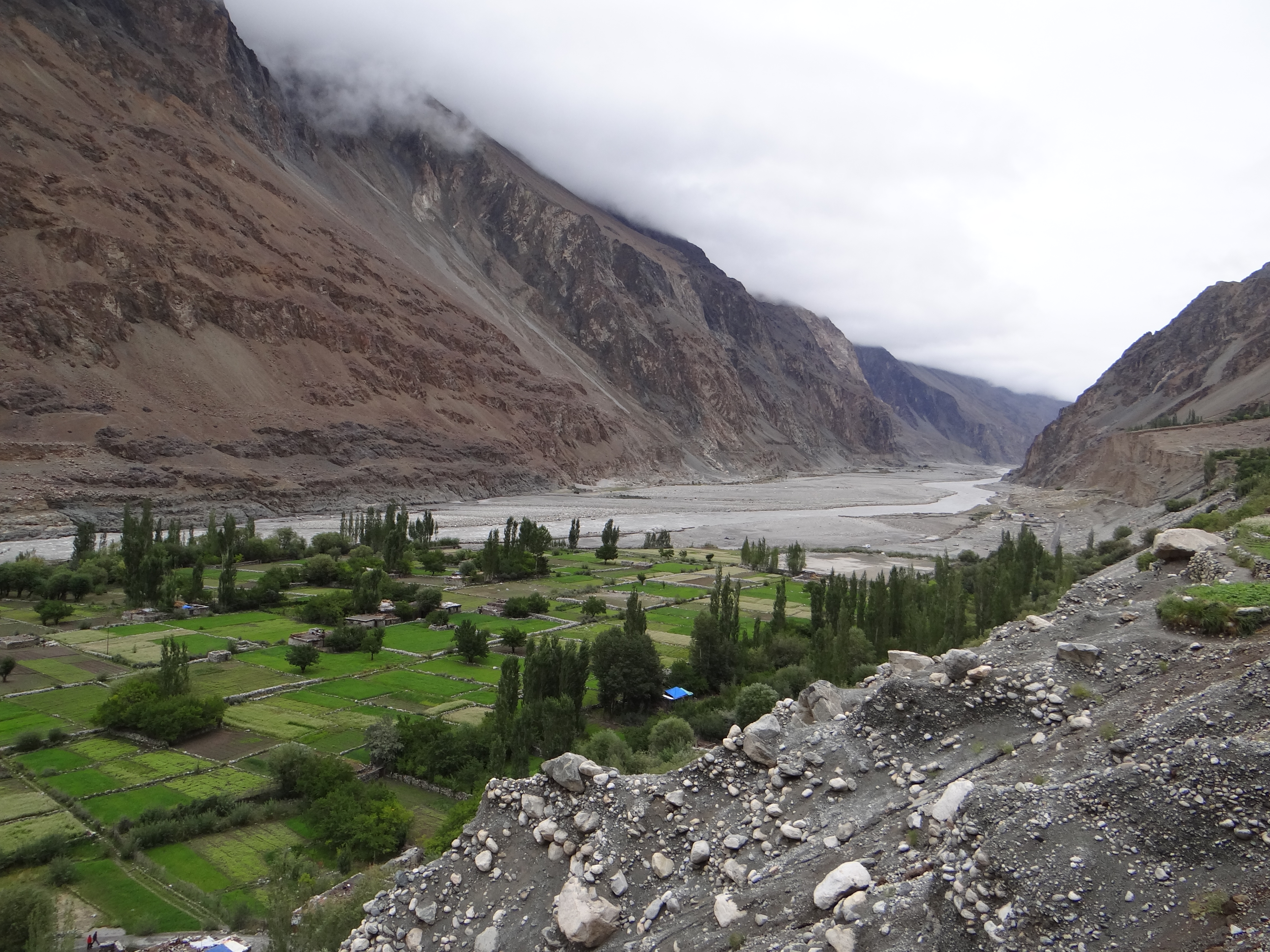
Turtuk is one of Ladakh’s most culturally unique and emotionally intriguing villages. Located in the Nubra region near the India–Pakistan border, Turtuk feels distinctly different from the rest of Ladakh—both in landscape and lifestyle. It is one of the northernmost villages of India and was opened to tourists only in recent decades, preserving a way of life that feels untouched and deeply personal. Unlike much of Ladakh’s stark terrain, Turtuk surprises visitors with greenery, flowing water channels, and fertile fields. The village sits along the Shyok River, surrounded by snow-capped peaks, yet softened by apricot orchards and stone houses that reflect its Balti heritage. Landscape and Everyday Life in Turtuk Turtuk is a village shaped by water, soil, and seasons. Meltwater streams run through narrow lanes, feeding fields of barley, vegetables, and fruit trees. Apricot orchards are especially prominent, adding colour and life to the landscape during summer months. Life here follows agricultural rhythms rather than tourist schedules. Mornings begin early, with villagers tending to fields or livestock, while afternoons are quieter and unhurried. Children play along village paths, elders sit outside stone homes, and visitors are often greeted with curiosity and warmth rather than commercial intent. The pace of life in Turtuk encourages travellers to slow down, observe, and engage respectfully with the surroundings. Cultural Identity and Balti Heritage What truly sets Turtuk apart is its Balti culture, which is distinct from the Tibetan Buddhist influence seen elsewhere in Ladakh. The village has deep cultural links to Baltistan, reflected in language, architecture, clothing, and food. Traditional Balti homes are built with stone and wood, often featuring flat roofs and enclosed courtyards. The community is close-knit, and hospitality is quiet but sincere. Visitors often find that conversations with locals—about village life, farming, or history—leave a lasting impression. Turtuk’s cultural identity feels preserved rather than performed, making it one of the most authentic cultural experiences in the Ladakh region. Historical and Border Significance Turtuk holds a unique place in modern Indian history. Until 1971, the village was part of Pakistan-administered territory before becoming part of India. This history is still visible in family stories, architecture, and local narratives. Despite its proximity to the border, Turtuk feels peaceful and grounded. The presence of the Indian Army is discreet, and daily village life continues without disruption. For travellers, this context adds depth and perspective, making the visit emotionally meaningful rather than politically charged. Local Food of Turtuk Food in Turtuk reflects Balti culinary traditions and seasonal availability. Meals are simple, nourishing, and often prepared using home-grown ingredients. Common food experiences include: Balti-style breads served fresh and warm Apricot-based dishes and dried fruit products Vegetable curries cooked slowly with mild spices Rice and lentil preparations for daily meals Traditional herbal teas offered to guests Meals are usually home-cooked and shared in a family setting, especially in homestays. The absence of restaurants or cafés reinforces the authenticity of the experience. Food and Stay Experience Turtuk does not have hotels in the conventional sense. Accommodation is primarily through homestays and small guesthouses run by local families. Staying here is less about comfort in luxury terms and more about warmth, cleanliness, and genuine hospitality. Meals are often shared with hosts, offering visitors a chance to understand local customs, family structures, and village life. For many travellers, these interactions become the highlight of the journey. Festivals, Traditions, and Community Life Festivals in Turtuk are community-centred rather than tourist-oriented. Celebrations are tied to agricultural cycles, religious observances, and seasonal transitions. Traditional music and dance may be performed during special occasions, often in informal village settings. Unlike larger Ladakhi festivals, these gatherings are intimate, giving visitors a rare glimpse into traditions that are usually experienced only by locals. Nature Walks and Gentle Exploration Turtuk is ideal for slow exploration rather than adventure sports. Walking through the village lanes, along irrigation channels, and toward nearby viewpoints offers constant visual interest and quiet moments of reflection. Photography enthusiasts often find Turtuk rewarding due to its human-scale landscapes—children playing, elders working, apricot trees against mountain backdrops. The village’s green setting contrasts beautifully with the harsher landscapes of Nubra and Leh. Weather and Best Time to Visit Turtuk Turtuk experiences a cold desert climate, but its lower altitude and greenery make it slightly more temperate than surrounding regions. May to September: Best time to visit Days: Pleasant and sunny Nights: Cool, occasionally cold Winters: Harsh and largely inaccessible Visits to Turtuk are usually planned as part of a broader Nubra Valley journey, after travellers have acclimatised to Ladakh’s altitude. Why Turtuk Leaves a Deep Impression Turtuk is not a place of grand monuments or dramatic viewpoints. Its power lies in subtlety—quiet conversations, shared meals, green fields, and stories shaped by geography and history. For travellers seeking cultural depth and authenticity, Turtuk offers something rare in modern travel: a sense of human connection. Thoughtfully paced journeys, such as those curated by Lazy Yatra, allow visitors to experience Turtuk not as a checklist stop, but as a meaningful chapter in their Ladakh journey. Turtuk is remembered not for what it shows—but for how it makes travellers feel.
Popular Attractions in Turtuk
Discover the most captivating places in Turtuk
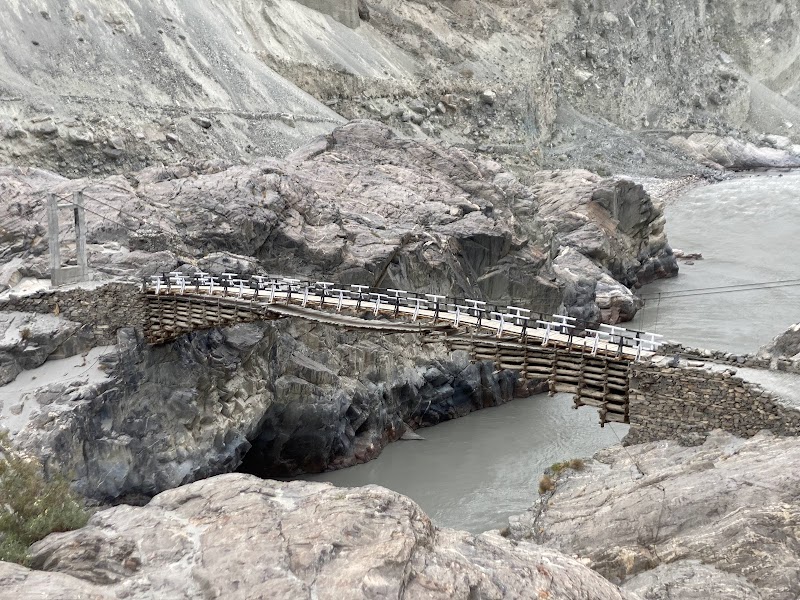
Old Wooden Bridge Frano Chorbat Pakistan
4.8Attraction With In City
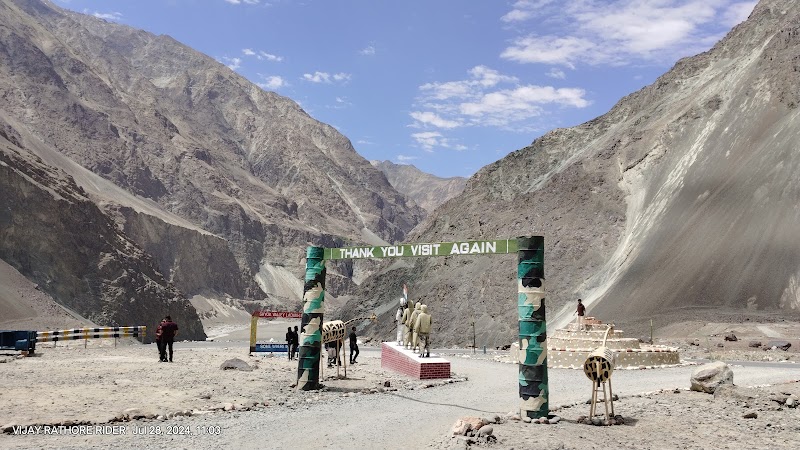
SWM Selfie Point
4.8Attraction With In City
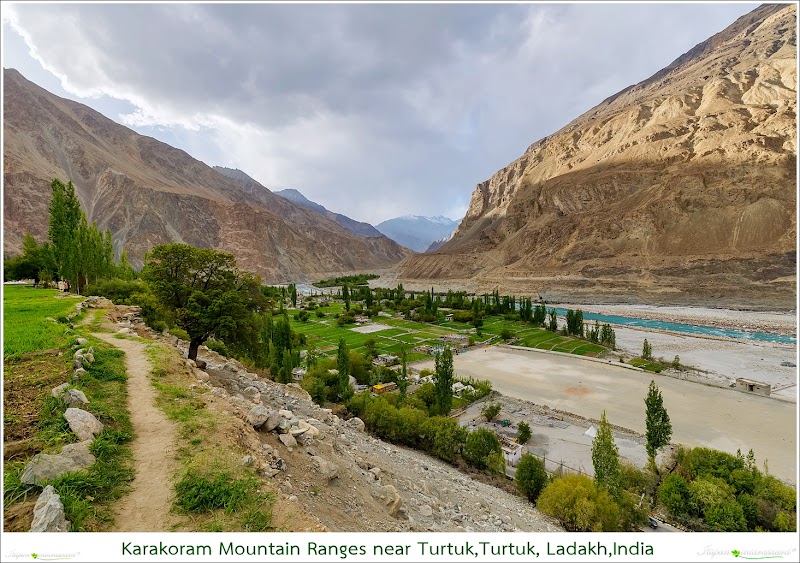
Karakoram Mountain Ranges near Turtuk
4.9Attraction With In City
Dining in Turtuk
Explore the best restaurants and cafes in Turtuk
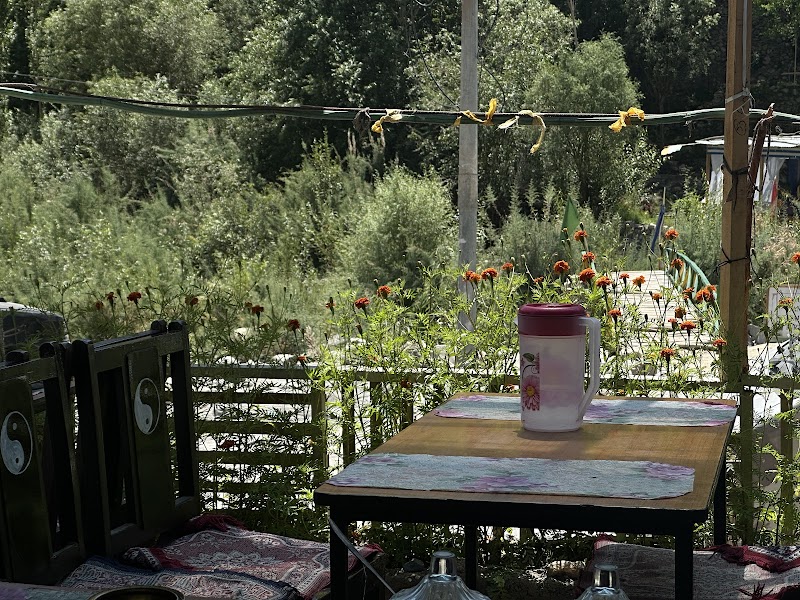
Begum’s Kitchen
5.0Restaurant
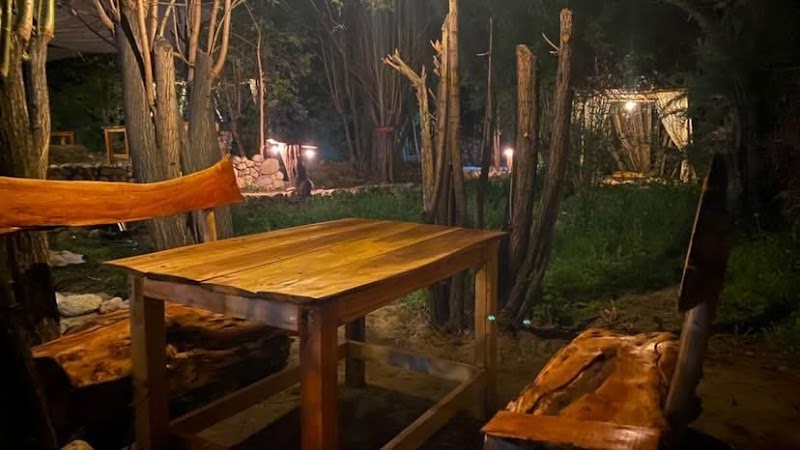
Rustic Edge Restaurant Turtuk
4.9Restaurant
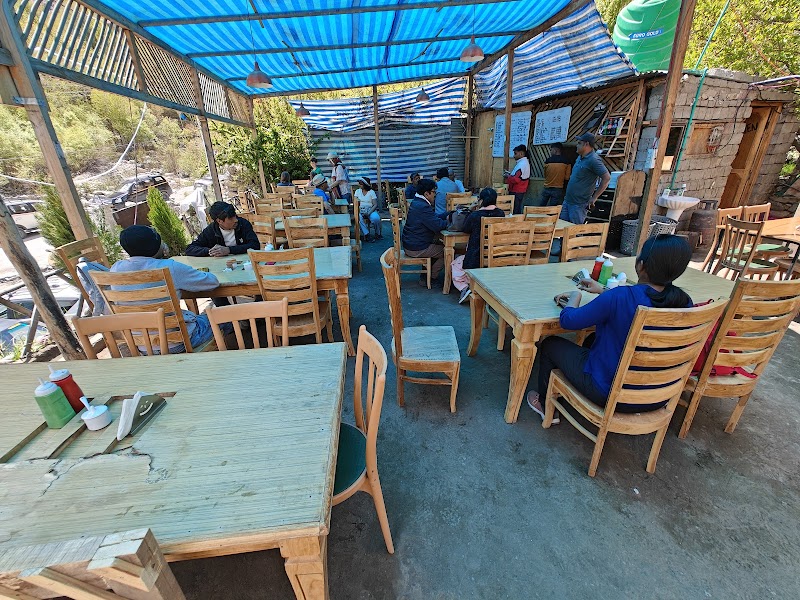
Wooden Bridge Cafe and Turtuk Momos House
4.2Restaurant
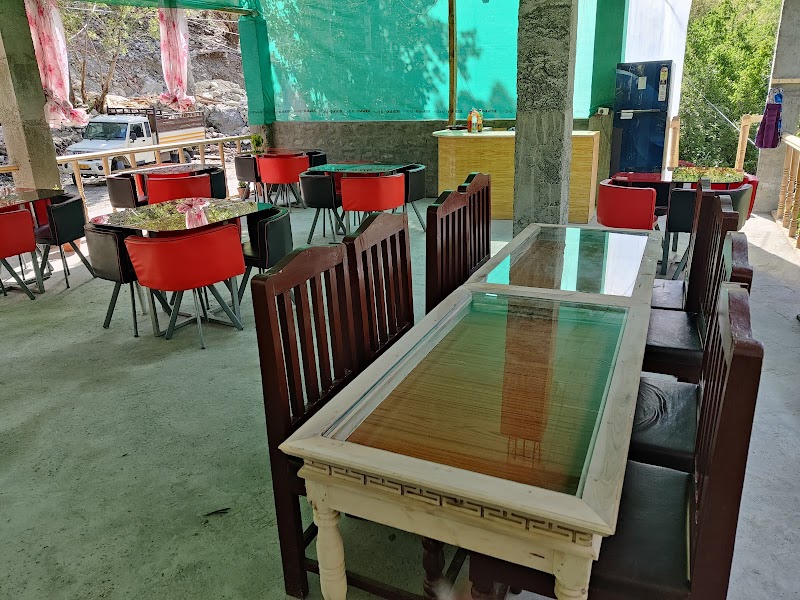
Apricot cafe and restaurant
4.3Restaurant
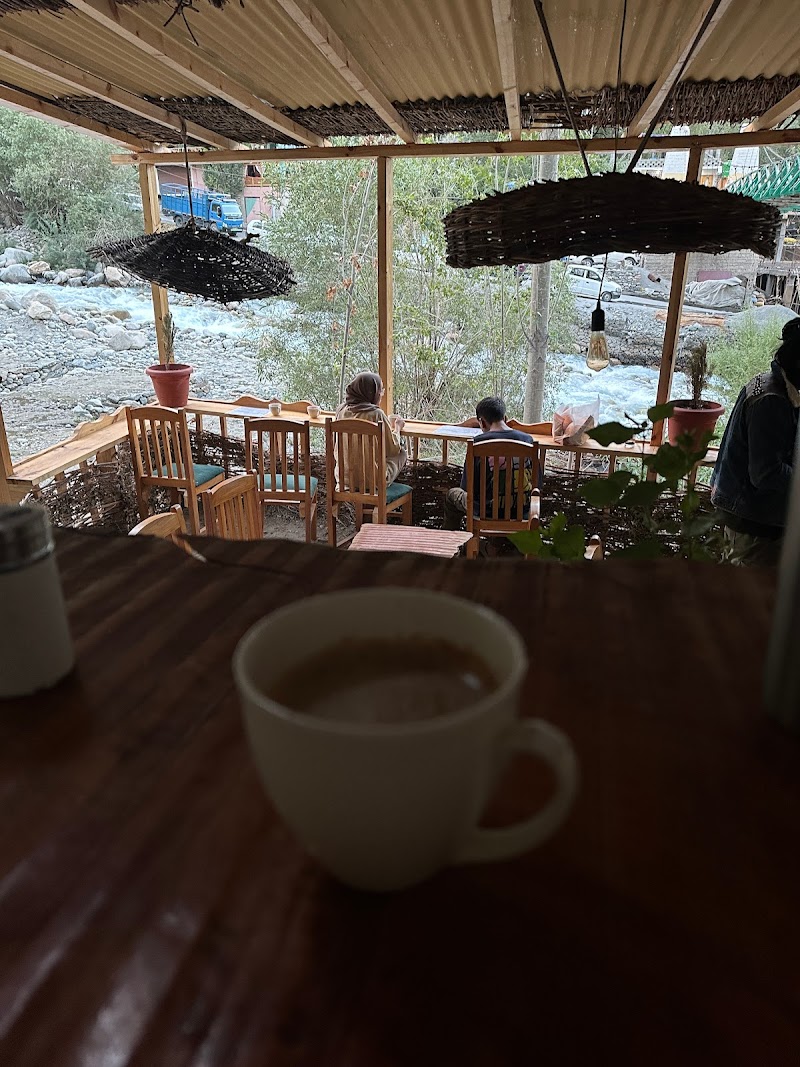
NOMAD HUNGER (Balti exotic cuisines) - The Riverside Cafe
4.7Cafe
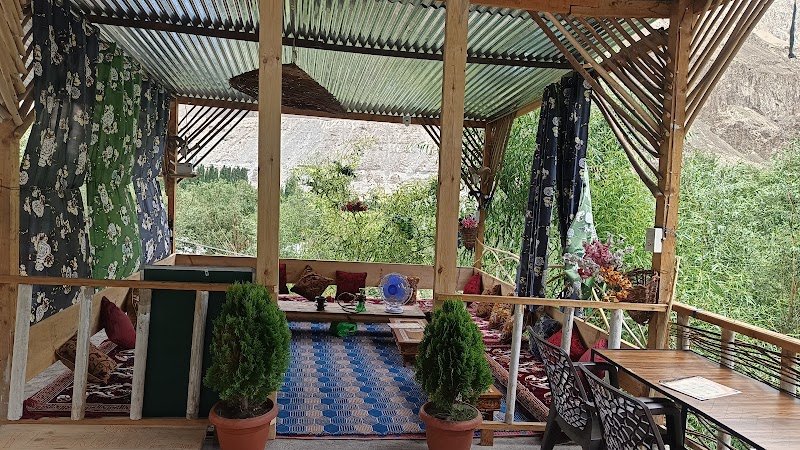
Bridge Cafe and swimming pool turtuk
4.9Cafe
Ready for Your Next Adventure?
Whether you're dreaming of mountain vistas, beach sunsets, or cultural immersion, we'll make it happen. Let's start planning your perfect getaway today.
More to Explore in Turtuk
Points of interest and activities to enhance your experience
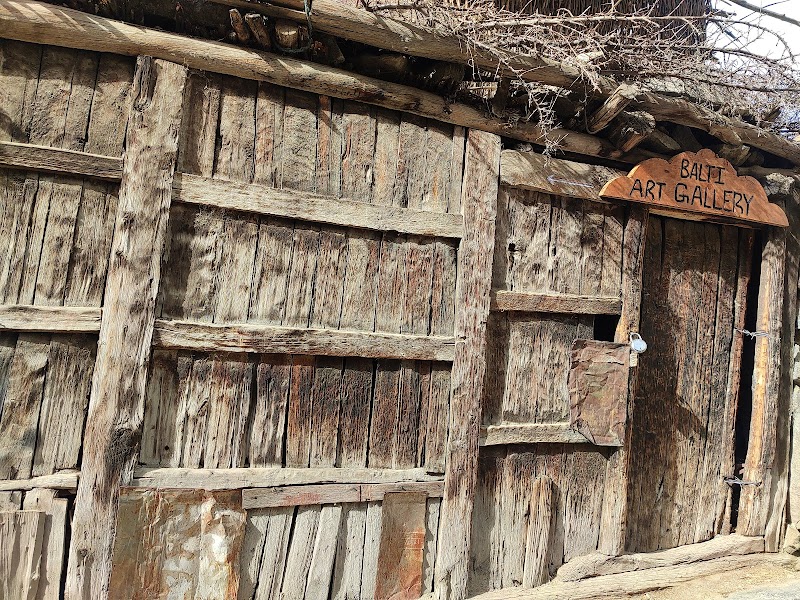
Tour Packages in Turtuk
Curated experiences for your perfect Turtuk getaway
Custom Packages Available
We can create a personalized tour package for your perfect Turtuk experience.
Hotels for Tour Packages
Discover comfortable accommodations for your stay