Katra Tour Packages
KASHMIR AND JAMMU
Jammu is known as the City of Temples and serves as the spiritual and cultural gateway to Jammu & Kashmir. Situated in the foothills of the Shivalik range, Jammu offers a distinctly different experience from the valleys and high mountains of Kashmir and Ladakh. It is warmer, more vibrant, and deeply rooted in religious tradition, making it both a pilgrimage hub and a cultural centre. For many travellers, Jammu is the first point of arrival—yet those who take time to explore it discover a city shaped by faith, history, and everyday life rather than scenic drama alone. Landscape and Setting of Jammu Jammu lies along the banks of the Tawi River, surrounded by low hills and plains that gradually rise toward the Himalayas. Unlike the alpine landscapes of Kashmir, Jammu’s geography feels grounded and accessible, with a climate that is warmer and more temperate for most of the year. The city blends old neighbourhoods, bustling markets, and newer developments, creating a lived-in atmosphere rather than a resort-like setting. This makes Jammu feel authentic and energetic, especially compared to quieter hill destinations. Temples and Spiritual Significance Jammu’s identity is deeply spiritual. The city is home to numerous temples that attract pilgrims throughout the year. The most prominent is the Raghunath Temple complex, one of North India’s largest temple groups, located in the heart of the city. Bahu Fort and the Bawey Wali Mata Temple overlook the Tawi River and hold great religious importance for locals. Ranbireshwar Temple, dedicated to Lord Shiva, is another key spiritual landmark. Beyond the city, Jammu serves as the base for the pilgrimage to Vaishno Devi, making it an essential stop for devotees while also offering meaningful religious experiences within the city itself. Culture, Markets, and Everyday Life Jammu’s culture reflects a blend of Dogra traditions, Punjabi influence, and Himalayan proximity. Local life is active and expressive—markets are busy, conversations are lively, and festivals are celebrated with enthusiasm. Popular market areas are known for traditional Dogra handicrafts, dry fruits, spices, and local sweets. Shopping here feels local and practical rather than tourist-oriented, offering insight into everyday routines. The Dogra heritage is visible in language, food, festivals, and architecture, giving Jammu a strong regional identity distinct from both Kashmir and Himachal. Local Food of Jammu – What to Try Jammu’s cuisine is hearty, flavourful, and closely tied to Dogra culture. Food here is richer and spicier compared to Kashmiri cuisine, reflecting its warmer climate. Common food experiences include: Rajma Chawal – A local staple, especially popular in Jammu Khatta Meat – Tangy Dogra-style meat preparation Kaladi Kulcha – A unique local cheese served with kulcha Ambal – Pumpkin dish with a sweet-sour flavour Patisa and Sund Panjeeri – Traditional Dogra sweets Street food and small eateries play a big role in Jammu’s food scene, making culinary exploration informal and enjoyable. Festivals and Cultural Celebrations Jammu celebrates festivals with colour and community participation. Navratri is especially significant, drawing pilgrims and locals alike. Lohri, Baisakhi, and Diwali are also celebrated widely, reflecting Jammu’s cultural diversity. These festivals bring energy to the city through processions, fairs, temple rituals, and local gatherings, offering visitors a chance to experience Jammu beyond sightseeing. Climate and Best Time to Visit Jammu Jammu experiences a subtropical climate, very different from Kashmir’s cooler weather. October to March: Best time to visit, pleasant and comfortable Summer (April–June): Hot, but manageable for short stays Monsoon (July–September): Moderate rainfall, greener surroundings Winter: Mild compared to hill regions Because of its climate, Jammu is often used as a year-round entry point for travel in the region. Why Jammu Matters in a North India Journey Jammu adds cultural depth and spiritual grounding to a journey through northern India. It offers contrast—between plains and mountains, pilgrimage and daily life, movement and faith. For travellers heading toward Kashmir or Vaishno Devi, Jammu is more than a transit city. Thoughtfully planned itineraries, such as those curated by Lazy Yatra, allow travellers to experience Jammu as a destination in its own right—rooted, vibrant, and meaningful. Jammu is not defined by dramatic scenery. It is defined by belief, tradition, and everyday life lived with energy.
Popular Attractions in Katra
Discover the most captivating places in Katra
Dining in Katra
Explore the best restaurants and cafes in Katra
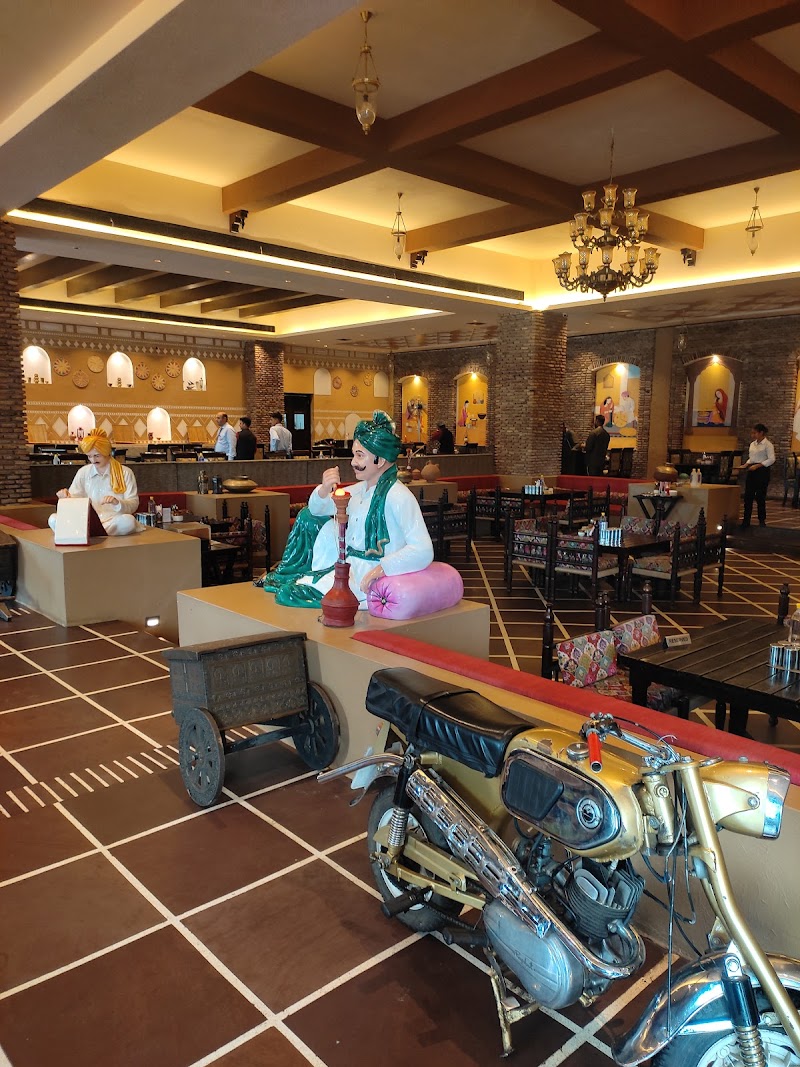
Punjabi Haveli Jammu
4.4Restaurant
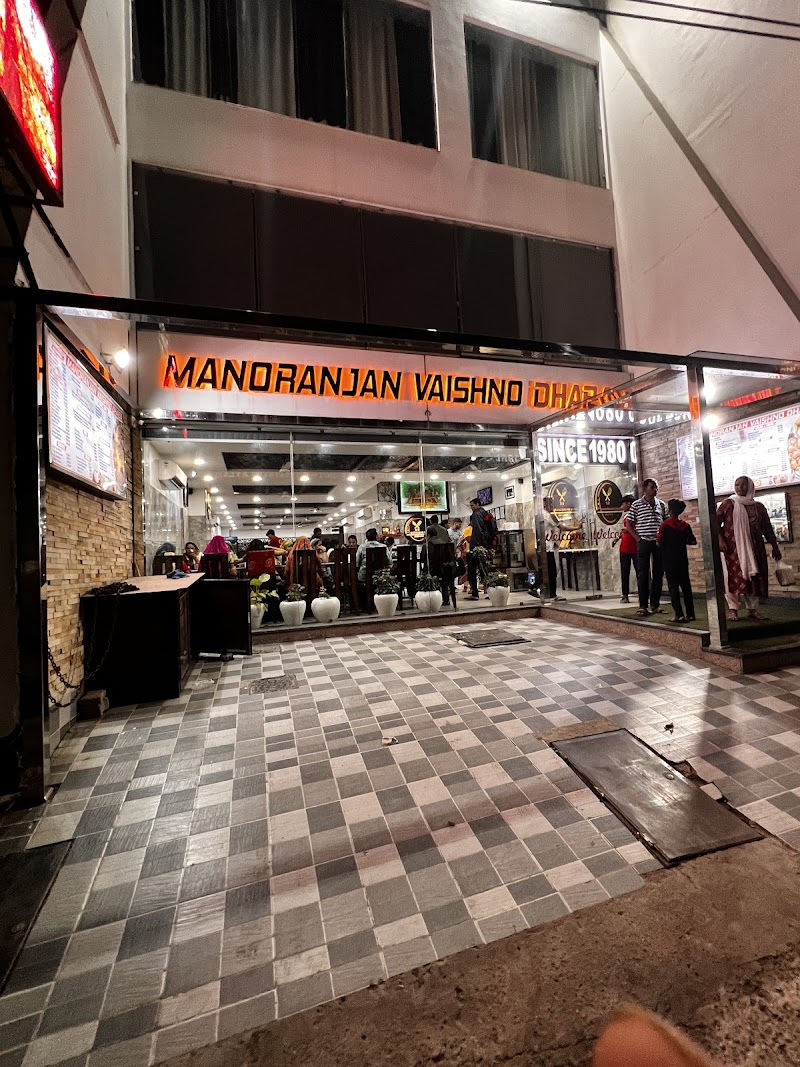
Manoranjan Vaishno Dhaba
3.9Restaurant
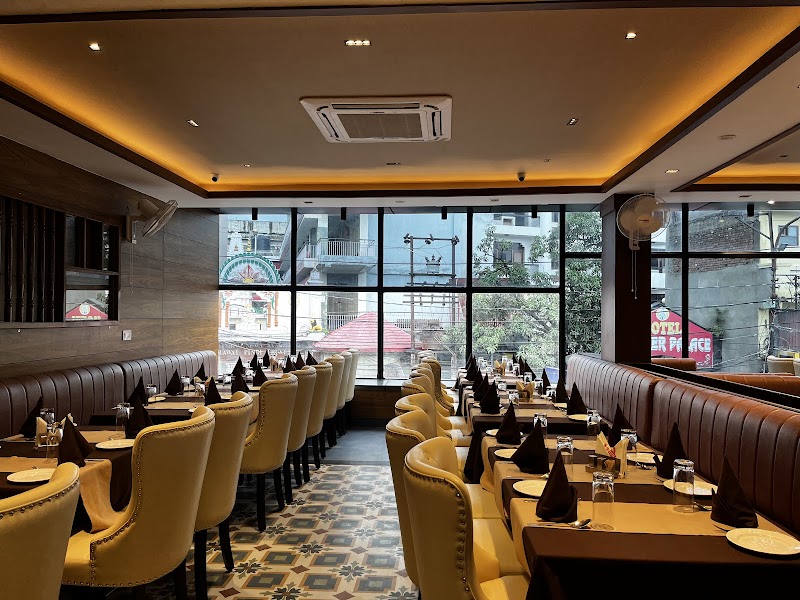
Nathu's Sweets
4.6Restaurant
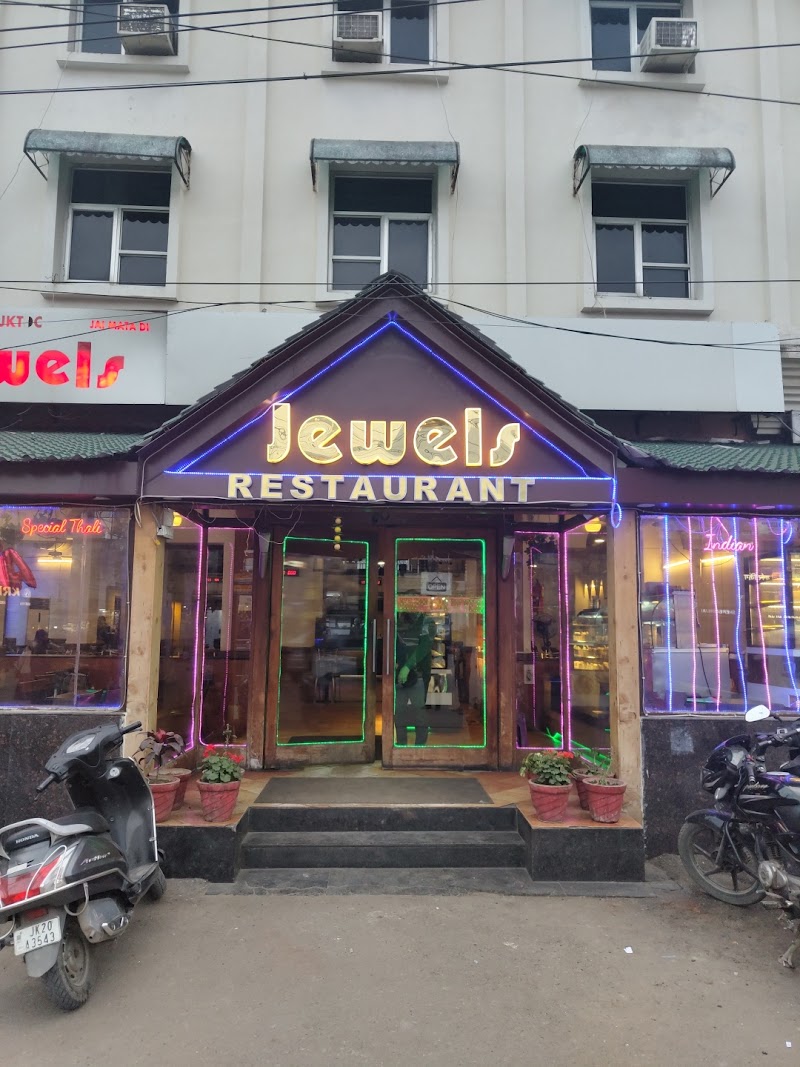
Jewel's Restaurant
4.7Restaurant
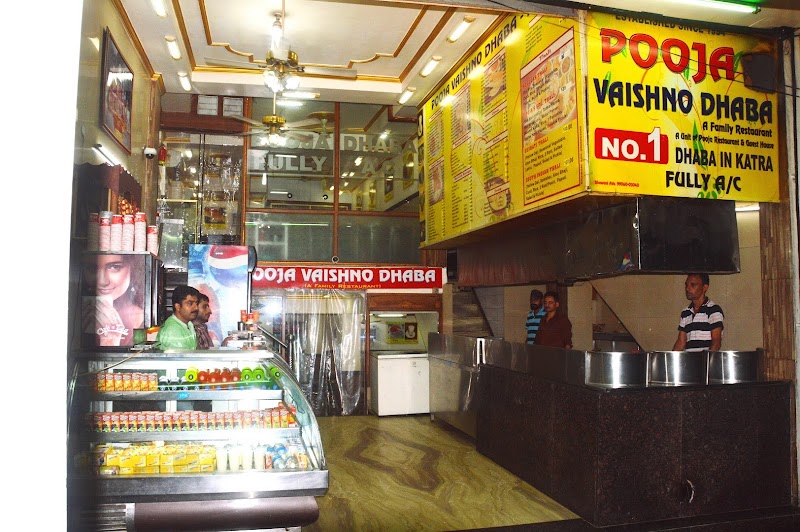
Pooja Vaishno Dhaba
4.6Restaurant
Ready for Your Next Adventure?
Whether you're dreaming of mountain vistas, beach sunsets, or cultural immersion, we'll make it happen. Let's start planning your perfect getaway today.
More to Explore in Katra
Points of interest and activities to enhance your experience

Tour Packages in Katra
Curated experiences for your perfect Katra getaway
- 2 Nights Stay at Katra
- 2 Nights at Pahalgam
- 1 Night at Gulmarg
- 1 Nights Stay at Katra
- 2 Nights at Pahalgam
- 1 Night at Gulmarg
- 2 Nights Stay at Katra
- 1 Nights at Pahalgam
- 4 Nights at Srinagar Hotel
- 1 Nights Stay at Katra
- 1 Nights at Pahalgam
- 3 Nights at Srinagar Hotel
- 2 Nights Stay at Katra
- Pick up from Jammu Airport/Railway Station
- Drop from Jammu Airport/ Railway Station
- 2 Nights Stay at Katra
- 1 Night stay at Patnitop
- Pick up from Jammu Airport/Railway Station
Hotels for Katra Tour Packages
Discover comfortable accommodations for your stay